The Budophile
HomeGuidesGlossaryFAQAbout
Search
HomeGuidesCannabis Tolerance Break: The Complete UK Guide
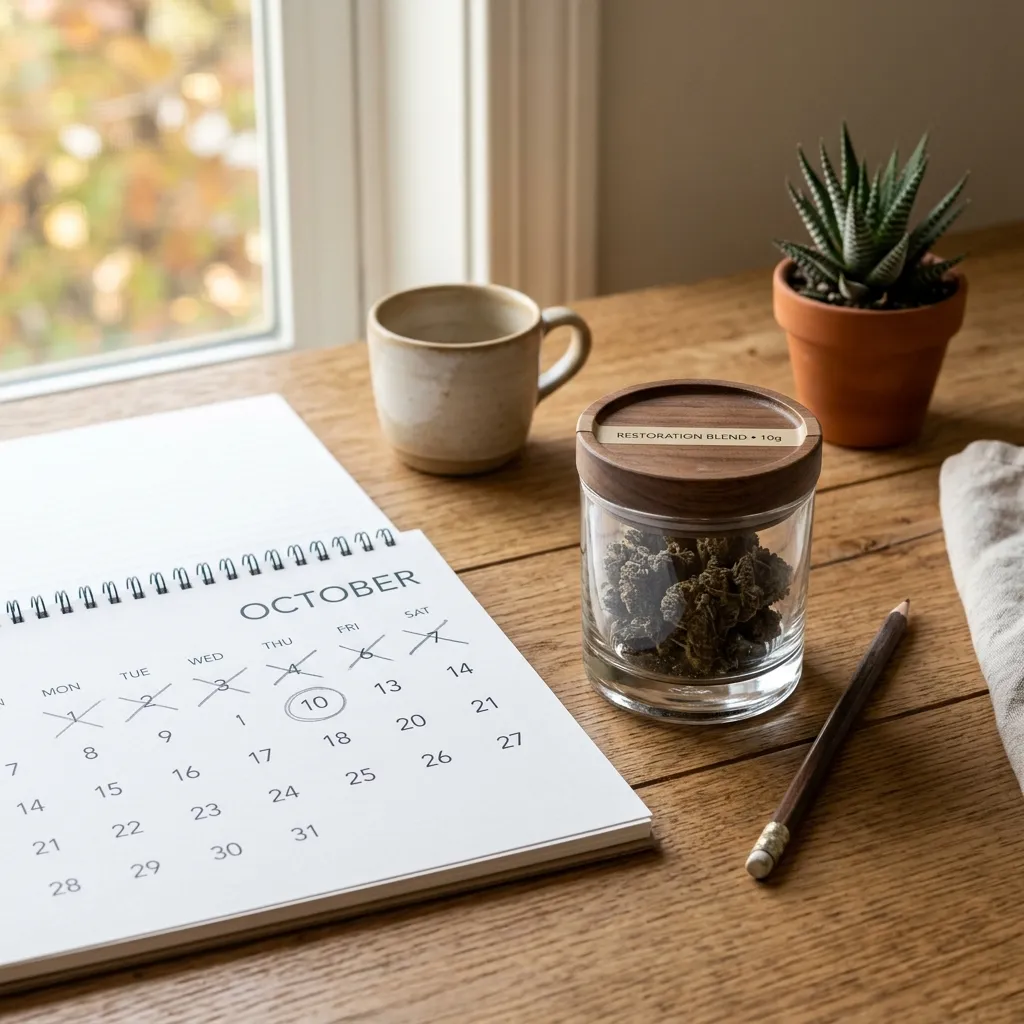
Cannabis Tolerance Break: The Complete UK Guide

9 min readBeginner Level
ShareX
Cannabis tolerance break guide

Everything you need to know about cannabis tolerance breaks — why THC tolerance develops, how long to take a break, what to expect during withdrawal, and how to reset your system safely.

This guide is for educational purposes only. Cannabis is illegal in the UK without a medical prescription. Always consult a healthcare professional before making decisions about cannabis use.

A tolerance break — often called a T-break — is a planned period of abstinence from cannabis intended to reset your body's tolerance. The idea is simple: the less you use, the more sensitive your cannabinoid receptors become, meaning you need less cannabis to feel the same effects when you start again.
Tolerance breaks are common among both recreational and medical cannabis users. For recreational users, they restore the intensity of the experience. For medical patients, they help maintain the effectiveness of lower doses, reducing both cost and the risk of side effects.
The concept isn't unique to cannabis. Tolerance develops to most substances that affect the brain — caffeine, alcohol, nicotine, and prescription medications all require dose adjustments over time. A T-break is simply a structured way to reverse that process for cannabis.
In recent years, tolerance breaks have gained mainstream attention as cannabis use has become more accepted. A 2025 survey found that nearly 40% of regular cannabis users in the UK had taken a tolerance break at some point, with most finding it improved their relationship with cannabis.
Cannabis tolerance is a biological response to regular use. THC binds to CB1 receptors in your brain, producing the psychoactive effects cannabis is known for. When you use cannabis frequently — especially daily or multiple times a day — your brain responds by reducing the number and sensitivity of these receptors.
This process is called CB1 receptor downregulation. It's your brain's way of maintaining balance. The result is that the same dose of cannabis produces less effect over time, leading many users to increase their dose to compensate — which accelerates the cycle.
Several factors influence how quickly tolerance builds: frequency of use (daily users build tolerance fastest), potency of products used (high-THC flower and concentrates cause faster tolerance), method of consumption (vaping and dabbing deliver more THC at once than smoking), and individual biology (some people naturally develop tolerance faster than others).
The good news is that CB1 receptor downregulation is reversible. Research shows that receptor density begins to increase within 48 hours of abstinence and can return to near-baseline levels after approximately four weeks. This is the biological basis for why tolerance breaks work.
The ideal length of a tolerance break depends on your goals, usage history, and whether you're a medical patient. Different durations serve different purposes.

48-Hour Reset

A short 48-hour break can provide a noticeable improvement in sensitivity for light-to-moderate users. CB1 receptor upregulation begins within this timeframe. This is the minimum effective break and is manageable for most people.

One-Week Refresh

A seven-day break significantly lowers tolerance for most moderate users. Sleep disruptions and cravings typically peak during the first 3-4 days and begin subsiding by day 7. This is the most popular T-break duration.

14-21 Day Deep Reset

For daily, long-term users with high tolerance, a two-to-three-week break is the gold standard. Research indicates that CB1 receptor density returns to near-baseline levels after about four weeks of abstinence. Most heavy users report the most meaningful reset at the 21-day mark.

Medical Patient Consideration

If you rely on cannabis for symptom management, a full abstinence break may not be practical. Instead, consider a tapering approach — gradually reduce your dose over 1-2 weeks, then take a shorter 48-72 hour break. Some patients switch to CBD-only products during their break to maintain some therapeutic benefit without THC.
Withdrawal symptoms during a tolerance break are common but typically mild — especially compared to alcohol or opioid withdrawal. The intensity depends on how much and how often you use cannabis.
Common symptoms include: irritability and mood changes (the most reported symptom), sleep difficulties including vivid dreams or insomnia, decreased appetite, cravings (especially in familiar situations like evenings or weekends), restlessness or difficulty relaxing, and mild headaches or digestive discomfort.
Symptoms typically begin 24-48 hours after your last use, peak around days 3-5, and begin subsiding after day 7. Most users report that symptoms are fully resolved within two weeks. Staying hydrated, exercising, and maintaining a consistent sleep schedule can significantly reduce discomfort.
For medical patients, the return of underlying symptoms — pain, anxiety, nausea — is often the biggest challenge during a T-break. This is why tapering or switching to CBD during the break is recommended for patients. Always discuss tolerance break plans with your prescribing clinician if you're a medical cannabis patient.
Plan your start date. Choose a period when you have fewer social obligations and less stress. Avoid starting a T-break before a holiday, social event, or particularly demanding week at work. A quiet weekend to get through the initial 48 hours makes a significant difference.
Remove temptation. Put your vaporiser, grinders, and any cannabis products out of sight — ideally in a place that's inconvenient to access. Out of sight really is out of mind for most people. If you live with others who use cannabis, ask them to keep their products away from shared spaces.
Replace the habit. Many cannabis users have routines built around consumption — a vape after work, a pre-bed session, a social smoke. Identify these triggers and plan replacement activities: a walk, a phone call with a friend, a bath, a non-cannabis tea, or exercise. Having a replacement ready makes the habit loop easier to break.
Track your progress. Use a simple app or a notepad to mark off each day. Many users find that seeing the streak grow is genuinely motivating. Celebrate small milestones — 48 hours, one week, two weeks.
Consider CBD. CBD flower, oil, or gummies can help take the edge off during a T-break without affecting THC tolerance. CBD has no psychoactive effects and doesn't interact with CB1 receptors in the way THC does. Many users find CBD helps with the anxiety and sleep disruption that can come with stopping THC.
The point of a tolerance break is to return to cannabis with a fresh system — and the most common mistake is immediately going back to your previous dosage. After even a short break, your tolerance will be significantly lower. Starting with your old dose will be unnecessarily intense and can be uncomfortable.
Start low and go slow. If you were using 0.2g of flower per session before your break, start with 0.05g. If you were using 10mg THC edibles, start with 2.5mg. The effects will be stronger than you remember — give yourself time to recalibrate.
Keep a journal. After your break, track how different doses affect you. You may find that your ideal dose has changed significantly. Many users discover after a T-break that they need much less cannabis than they thought they did for their desired effects.
Consider a lower maintenance dose. One of the benefits of a successful T-break is establishing a new, lower baseline. Try to maintain the lower dose rather than gradually creeping back up. Rotating between different strains and methods of consumption can also help slow tolerance build-up going forward.
For strain-specific guidance on finding the right product after your break, Strain Genetics Archive offers detailed profiles of hundreds of varieties with their cannabinoid and terpene data.

Quick Questions

Yes. Research shows that CB1 receptor upregulation begins within 48 hours of abstinence. Light-to-moderate users often notice a meaningful improvement in sensitivity after just two days. For heavy daily users, longer breaks of 7-21 days produce more significant results.
Yes. CBD does not affect THC tolerance because it interacts with CB1 receptors differently. Using CBD oil, gummies, or flower during a T-break can help manage anxiety, sleep issues, and cravings without interfering with the reset process. Many UK users find CBD an invaluable aid during tolerance breaks.
It depends on your usage patterns. Daily users benefit from a T-break every 3-6 months. Weekly or occasional users may never need one. Signs you might benefit include: needing more cannabis to feel the same effects, shorter duration of effects, or feeling like you're 'chasing' your initial experience.
A short T-break of a few days will not clear THC from your system for a drug test. THC is stored in fat cells and can be detectable for weeks or even months in regular users. A tolerance break resets your brain's sensitivity to THC — it does not significantly accelerate THC elimination from your body.
Medical patients should discuss tolerance breaks with their prescribing clinician before starting. For many conditions, switching to a lower dose or CBD-only products during the break is more appropriate than complete abstinence. Never stop prescribed medication without medical guidance.

About the Author

DM

Dave Mak

Dave founded The Budophile to create clear, honest cannabis education for UK beginners. With a background in health research and a network of specialist contributors, he ensures every guide is accurate, evidence-based, and practical. He also runs Baked & Rated for product reviews and The Green Prescription for medical cannabis access guidance.

Continue Learning
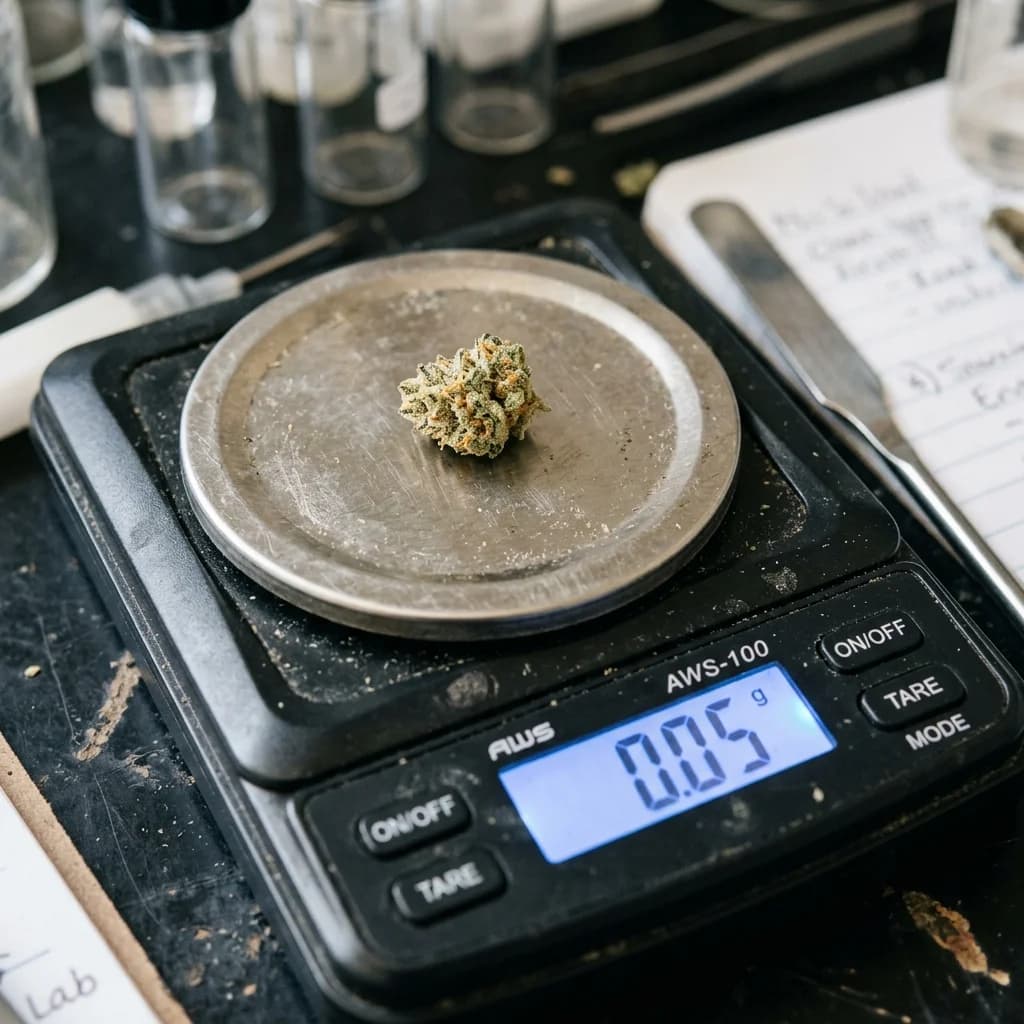
Microdosing Cannabis

Read this guide next →
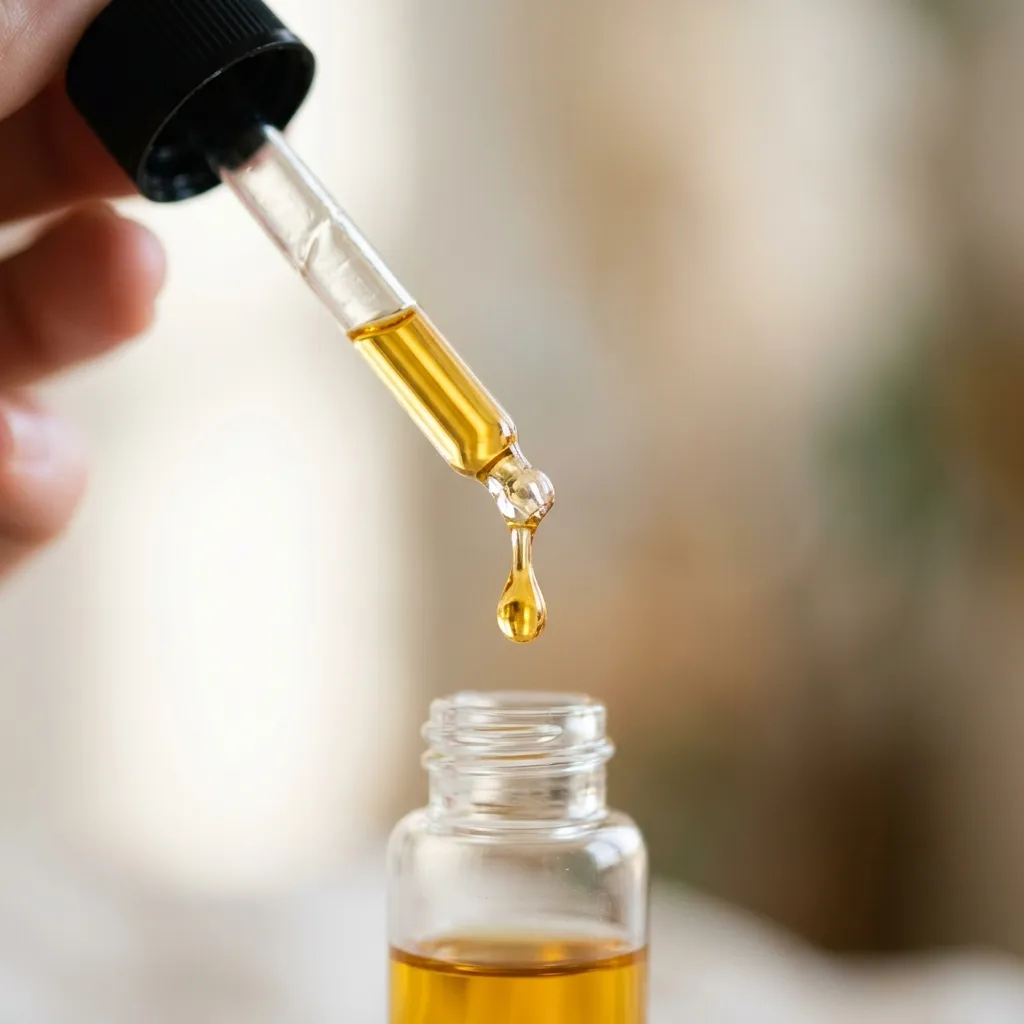
Understanding Dosage

Read this guide next →
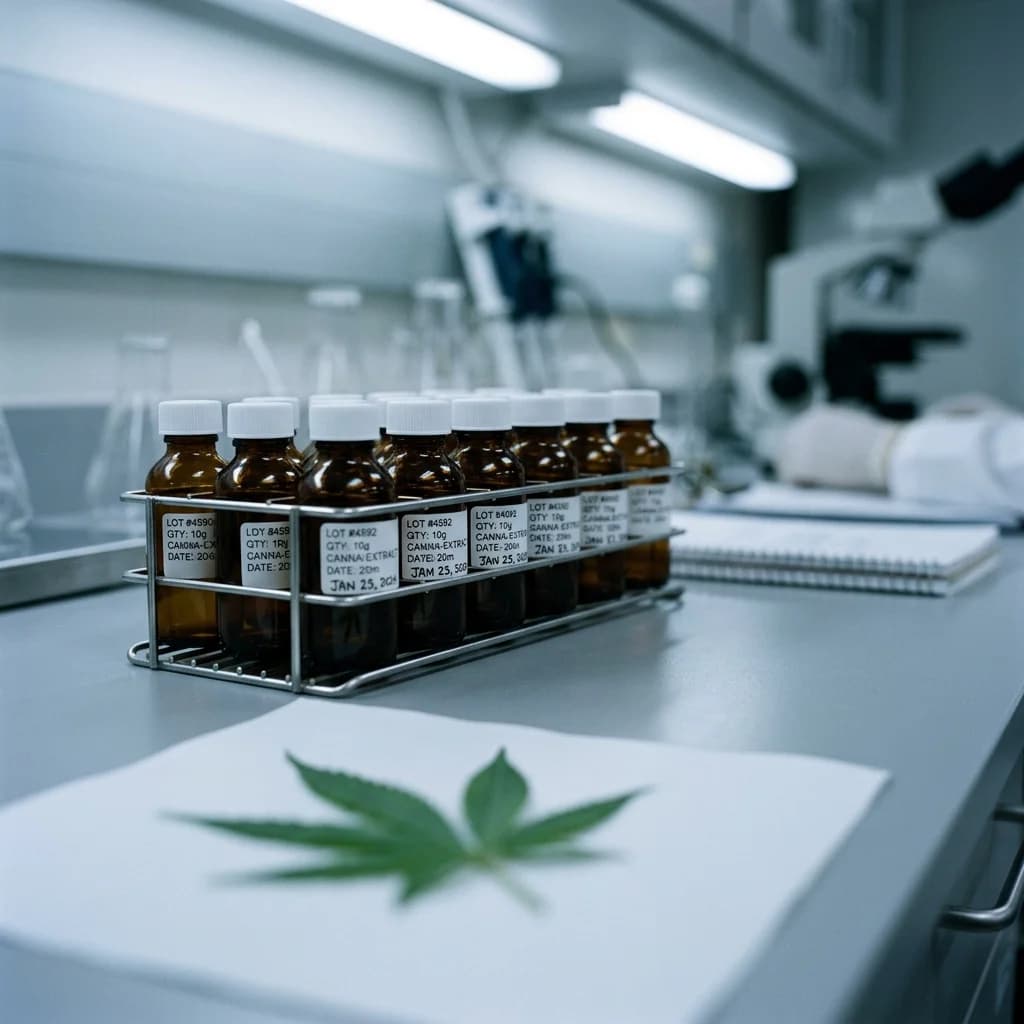
How Long Does Cannabis Stay in Your System?

Read this guide next →

Is Cannabis Addictive?

Read this guide next →
What Is Cannabis?

Read this guide next →
Cannabis & Creativity

Read this guide next →

Cannabis & Exercise

Read this guide next →
Indica vs Sativa: What's the Difference?

Read this guide next →

The Budophile

Cannabis education for beginners. Clear, honest, UK-legal information to help you make informed choices.

New Guides

Learn

  • Guides
  • Glossary
  • FAQ

Info

  • About
  • Contact
  • Privacy
  • RSS Feed

Our Network

  • DAM Live — Amsterdam Guide
  • The Green Prescription — UK Medical Cannabis
  • Baked & Rated — Hardware Reviews
  • Strain Genetics Archive

© 2026 The Budophile. For educational purposes only.