The Budophile
HomeGuidesGlossaryFAQAbout
Search
HomeGuidesHow Long Does Cannabis Stay in Your System?
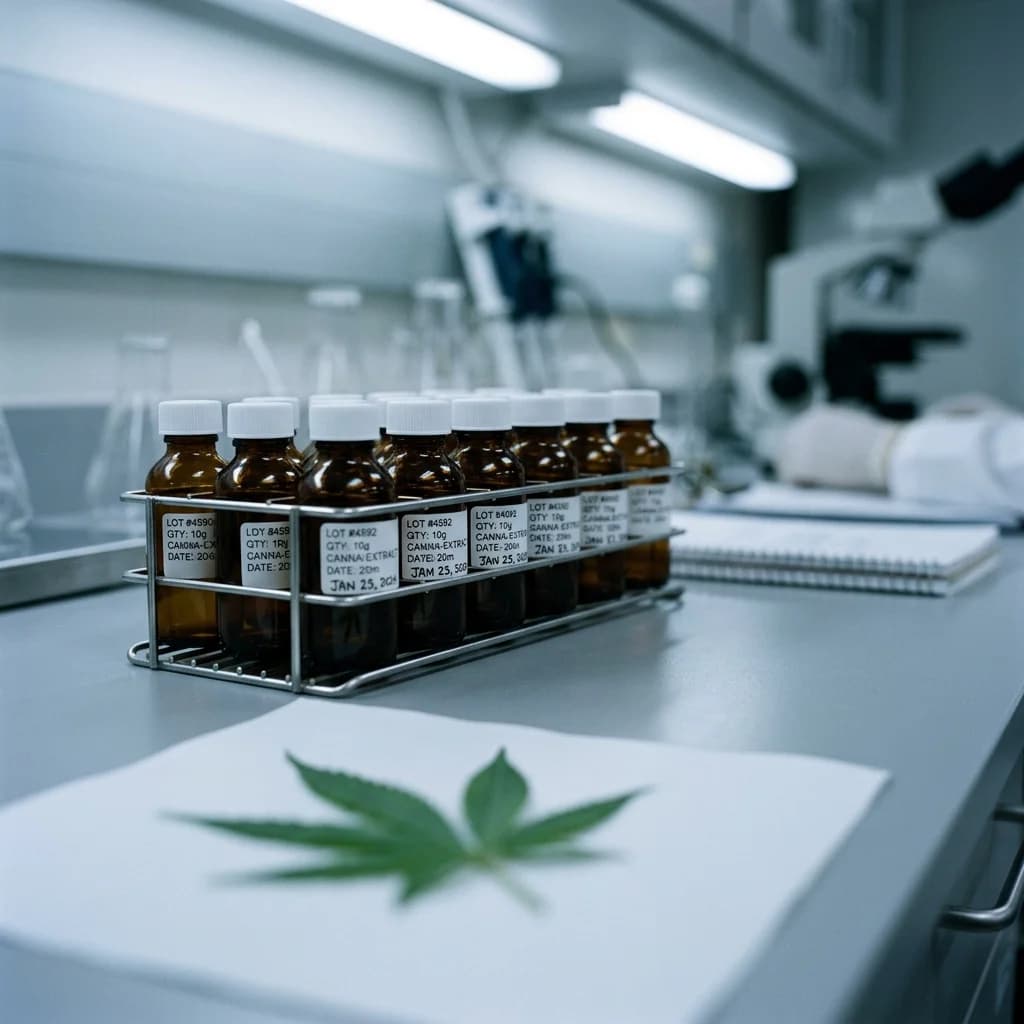
How Long Does Cannabis Stay in Your System?

8 min readBeginner Level
ShareX
Cannabis drug test

Detection times for cannabis in urine, blood, saliva, and hair tests — how frequency of use, metabolism, and body fat affect how long THC stays detectable.

This guide is for educational purposes only. Cannabis is illegal in the UK without a medical prescription. Always consult a healthcare professional before making decisions about cannabis use.

When you consume cannabis, THC enters your bloodstream and is rapidly metabolised by the liver into over 80 different metabolites. The primary metabolite, THC-COOH, is fat-soluble and stored in body fat before being slowly released and excreted in urine.
This is why THC stays in your system much longer than alcohol or most other drugs — it's stored in fat cells and released gradually over time. The more body fat you have, and the more frequently you use, the longer detection takes.
Detection times vary enormously between individuals based on: frequency of use, dosage, metabolism, body fat percentage, hydration, and the sensitivity of the test being used. The ranges below are general guidelines, not guarantees.
There is no reliable way to 'flush' THC from your system quickly. Detox drinks, pills, and home remedies are largely ineffective. Time is the only reliable method.
Urine tests are the most common method for workplace testing and probation. They detect THC-COOH metabolites and have the longest detection window of any common test type.
Occasional users (1-3 times per week): 3-7 days. THC-COOH levels drop quickly after a few days as the body processes the small amount stored in fat.
Moderate users (4-6 times per week): 7-14 days. More frequent use means more accumulation in fat cells, requiring more time to eliminate.
Daily users: 14-30+ days. Heavy daily use can lead to detectable levels for 30-60 days or more, especially in individuals with higher body fat. Some chronic users test positive for 90+ days.
First-time or single use: 1-3 days. A single exposure is eliminated relatively quickly, though sensitive tests may still detect it for up to 5 days.
Blood tests are primarily used for driving under the influence (DUI) cases. They detect active THC, not just metabolites, so the detection window is much shorter.
Occasional users: THC is detectable in blood for 1-2 days after last use, but impairment typically lasts only 3-6 hours after smoking or 6-12 hours after edibles.
Daily users: THC can be detectable in blood for up to 7 days due to continuous release from fat stores, even though the user is no longer impaired.
The UK legal limit for driving is 2 micrograms of THC per litre of blood. This is approximately equivalent to one joint, but individual metabolism varies significantly. It is not possible to calculate a 'safe' time to drive after using cannabis.
Saliva tests are increasingly used for roadside drug testing by UK police. They detect recent use and have the shortest detection window.
Occasional users: 1-24 hours after last use. Most occasional users will test negative within 12 hours.
Daily users: 1-72 hours. Heavy users may test positive for longer as THC accumulates in oral tissues. Some studies show detection up to 72 hours in very heavy users.
Saliva tests are less reliable than urine or blood tests. False positives and false negatives both occur. The mouth swab used by UK police (DrugWipe) detects cannabis, cocaine, opiates, and amphetamines.
Hair tests have the longest detection window — up to 90 days for a standard 1.5-inch sample. THC metabolites are absorbed into hair follicles from the bloodstream and remain trapped as the hair grows.
Hair tests are less common and more expensive. They're typically used for pre-employment screening for safety-sensitive positions or legal cases where a history of use needs to be established.
Hair tests cannot detect recent use (within the last 5-7 days) because hair grows slowly. They also cannot measure impairment or frequency of use — only whether cannabis was consumed during the growth period.
Hair testing has known issues with false positives from environmental exposure (secondhand smoke) and potential bias against people with darker hair due to melanin binding. The scientific community continues to debate its reliability.
Frequency of use is the single biggest factor. A daily user stores THC continuously, while an occasional user clears it quickly between uses. Going from daily to occasional use will not immediately reduce detection time — it takes weeks for stored metabolites to clear.
Body fat percentage matters. THC-COOH is fat-soluble, so people with higher body fat store more and release it more slowly. Individuals with lower body fat typically clear THC faster. This is a biological reality, not something that can be changed quickly.
Metabolism and hydration play smaller roles. A faster metabolism may clear THC somewhat faster, and good hydration helps urine dilution, but neither dramatically changes detection windows.
Product potency affects detection time only at the extremes. A 5mg edible will clear faster than a 50mg edible, but for regular users of moderate-to-high potency products, the difference in detection time is minimal compared to the effect of frequency.

Quick Questions

There is no reliable way to guarantee a negative test. Dilution, detox drinks, and home remedies are unreliable. The only guaranteed method is to abstain long enough for your system to clear naturally.
Full-spectrum CBD (containing trace THC) can potentially trigger a positive result. Broad-spectrum and isolate CBD are less likely to, but no product can be guaranteed to pass all tests.
For occasional users: at least 7-10 days. For daily users: at least 30 days, ideally 60-90. There are no shortcuts.
Exercise burns fat, which releases stored THC metabolites into the bloodstream. This can temporarily increase THC levels in your system. Long-term, regular exercise may help, but it's not a quick fix.

About the Author

DM

Dave Mak

Dave founded The Budophile to create clear, honest cannabis education for UK beginners. With a background in health research and a network of specialist contributors, he ensures every guide is accurate, evidence-based, and practical. He also runs Baked & Rated for product reviews and The Green Prescription for medical cannabis access guidance.

Continue Learning
Can I Drive After Using Cannabis?

Read this guide next →
Is Medical Cannabis Safe?

Read this guide next →
Can You Overdose on Cannabis?

Read this guide next →
Is Cannabis Addictive?

Read this guide next →
Cannabis Tolerance Break Guide

Read this guide next →
Workplace Drug Testing & Cannabis

Read this guide next →

Is Cannabis Legal in the UK?

Read this guide next →
Microdosing Cannabis Guide

Read this guide next →

The Budophile

Cannabis education for beginners. Clear, honest, UK-legal information to help you make informed choices.

New Guides

Learn

  • Guides
  • Glossary
  • FAQ

Info

  • About
  • Contact
  • Privacy
  • RSS Feed

Our Network

  • DAM Live — Amsterdam Guide
  • The Green Prescription — UK Medical Cannabis
  • Baked & Rated — Hardware Reviews
  • Strain Genetics Archive

© 2026 The Budophile. For educational purposes only.