Workplace Drug Testing & Cannabis: UK Guide
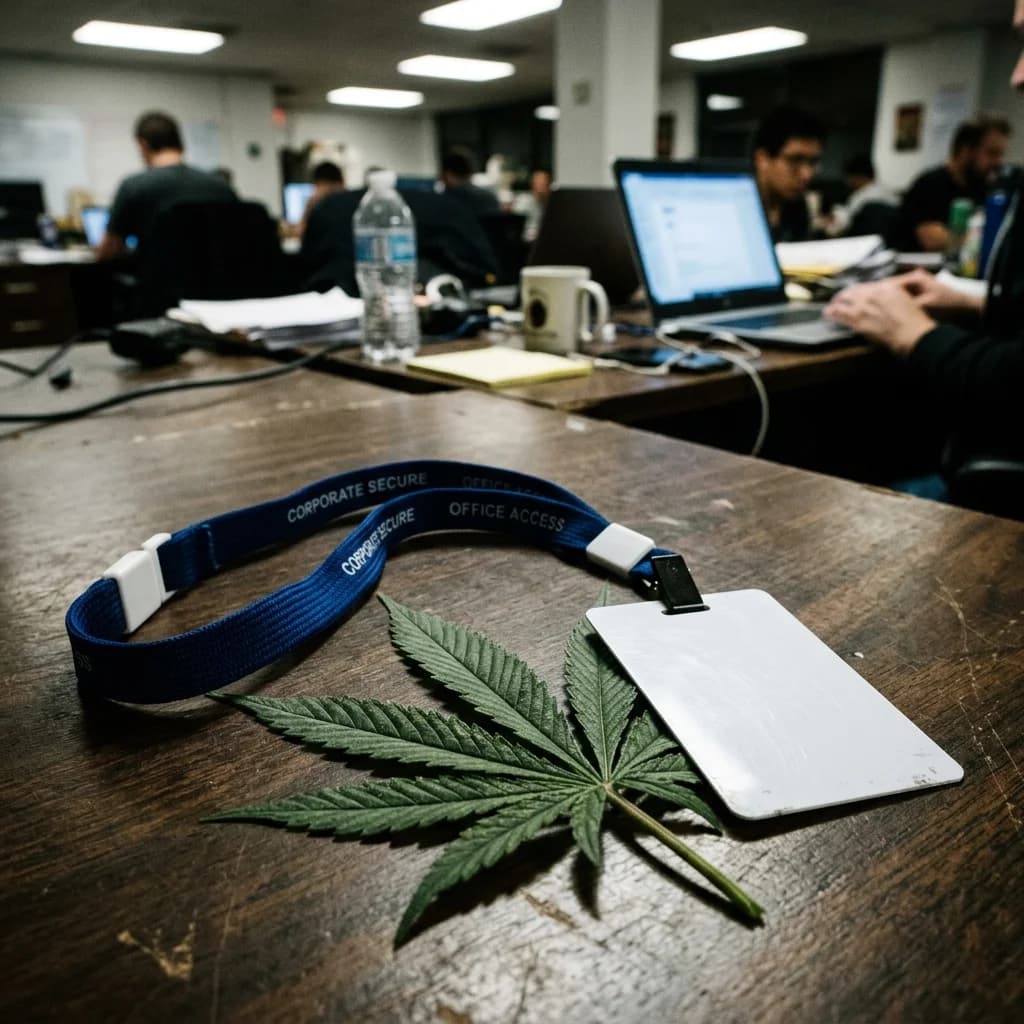
How workplace drug testing works in the UK, your rights as a medical cannabis patient, what happens if you test positive, and how to navigate employer policies and safety-critical roles.
This guide is for educational purposes only. Cannabis is illegal in the UK without a medical prescription. Always consult a healthcare professional before making decisions about cannabis use.
Drug Testing in the UK Workplace
How Drug Testing Actually Works
Saliva (Oral Fluid) Testing
The most common roadside and workplace screening method. Detects THC for 4-24 hours after use in occasional users, up to 72 hours in daily users. Saliva tests are non-invasive, cheap, and correlate reasonably well with recent use. However, they detect presence, not impairment — a positive result doesn't mean the person is currently high.Urine Testing
The most common laboratory-based method. Detects THC-COOH (a metabolite) for 3-30+ days depending on frequency of use. Urine tests have the longest detection window and the most established protocols. They cannot distinguish between recent use and use from weeks ago, nor between prescribed and recreational use.Hair Testing
Used for pre-employment screening and forensic cases. Detects cannabis use for up to 90 days. Hair tests are the least prone to cheating but cannot detect use within the last 7-10 days (hair grows slowly). They also cannot provide information about frequency or recency of use.Medical Cannabis Patients: Your Rights
- Read your employer's drugs and alcohol policy carefully
- Disclose your prescription if your role is safety-critical or if the policy requires disclosure of impairing medications
- Provide medical evidence from your prescribing clinician about your fitness to work
- Do not bring cannabis products to work unless you have explicit agreement
- If you are in a non-safety-critical role, you may choose not to disclose — but be aware of the risks if you are tested
What Happens If You Test Positive
- Non-negative screening result — This is just the first step. The sample should be sent to a UKAS-accredited lab for confirmatory analysis.
- Confirmed positive result — The employer must consider whether the detected substance could be a lawful prescription medication. They should ask for an explanation before taking any action.
- Investigation — If you have a prescription, provide your clinician's details and evidence. The employer should take medical advice on whether your treatment affects your fitness to work.
- Outcome — Possible outcomes range from no action (if your prescription is valid and you're fit for duty) to restricted duties, reassignment, or — in the worst case — dismissal if adjustments cannot be made.
A Note for Employers
Quick Questions
Official Sources
The claims in this guide were checked against the following primary sources:
About the Author
Dave Mak
Dave founded The Budophile to create clear, honest cannabis education for UK beginners. With a background in health research and a network of specialist contributors, he ensures every guide is accurate, evidence-based, and practical. He also runs Baked & Rated for product reviews and The Green Prescription for medical cannabis access guidance.
Continue Learning

Can I Drive After Using Cannabis?
Read this guide next →
How to Get a Medical Cannabis Prescription
Read this guide next →

Is Cannabis Legal in the UK?
Read this guide next →
How Long Does Cannabis Stay in Your System?
Read this guide next →
Is Medical Cannabis Safe?
Read this guide next →

Is Cannabis Addictive?
Read this guide next →

Secondhand Cannabis Smoke: Is It Dangerous?
Read this guide next →
How to Talk to Your GP About Medical Cannabis
Read this guide next →