The Budophile
HomeGuidesGlossaryFAQAbout
Search
HomeGuidesIs Cannabis Addictive? Understanding the Risks
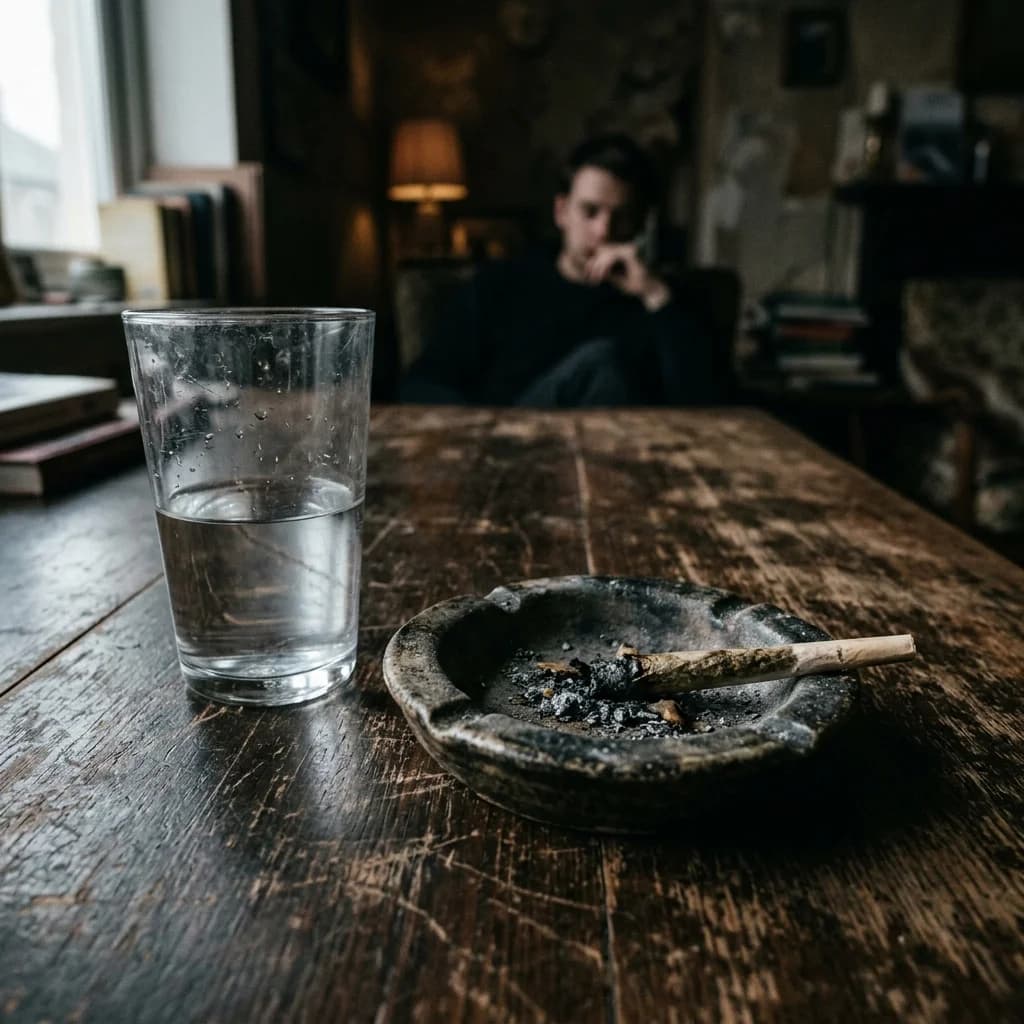
Is Cannabis Addictive? Understanding the Risks

8 min readBeginner Level
ShareX
Cannabis and addiction

The facts about cannabis addiction — how common it is, who's most at risk, withdrawal symptoms, and where to get help if you're concerned about your use.

This guide is for educational purposes only. Cannabis is illegal in the UK without a medical prescription. Always consult a healthcare professional before making decisions about cannabis use.

Yes, cannabis can be addictive. Cannabis Use Disorder (CUD) is a recognised medical condition in the DSM-5 (the standard classification of mental disorders). It affects approximately 9% of all cannabis users, rising to 17% for those who start in adolescence and up to 50% of daily users.
Cannabis addiction is primarily psychological (behavioural) rather than physical, but there are genuine physical withdrawal symptoms when stopping. The risk is lower than with opioids, alcohol, or nicotine, but it is real and can be disruptive.
Addiction means continued use despite negative consequences. Signs include: using more than intended, unsuccessful attempts to cut down, spending significant time obtaining or using cannabis, cravings, and neglecting responsibilities.
It's important to distinguish between physical dependence (your body adapting to regular use) and addiction (compulsive use despite harm). Many medical cannabis patients are physically dependent without being addicted.
Age of first use is the biggest risk factor. People who start using cannabis before age 18 are 4-7 times more likely to develop CUD than those who start as adults. The adolescent brain is still developing, making it more vulnerable to addiction.
Frequency of use matters. Daily or near-daily users have the highest risk — up to 50% develop CUD. Occasional users (1-3 times per week) have much lower risk. Weekend-only users have minimal addiction risk.
Genetics play a role. Some people are genetically predisposed to addiction in general. A family history of substance use disorders increases your risk of developing CUD.
Co-occurring mental health conditions increase risk. People with anxiety, depression, PTSD, or other mental health conditions are more likely to develop problematic cannabis use, often as a form of self-medication.
Cannabis withdrawal syndrome is real and recognised. Symptoms typically begin 24-72 hours after stopping, peak at 2-6 days, and resolve within 1-3 weeks. Not everyone experiences withdrawal, but heavy daily users almost always do.
Common symptoms: irritability and mood swings, insomnia and vivid dreams, loss of appetite, anxiety, restlessness, headaches, sweating and chills, and cravings. These symptoms are not dangerous but can be very uncomfortable.
Managing withdrawal: stay hydrated, exercise (helps with mood and sleep), eat regular meals even if you don't feel hungry, practice good sleep hygiene, and consider CBD to help with anxiety and sleep. Symptoms are temporary — remind yourself they will pass.
Some people benefit from a gradual reduction (tapering) rather than quitting abruptly. Reduce your use by 10-25% per week rather than stopping all at once. Medical clinics can support this process with a structured tapering plan.
If you're concerned about your cannabis use, the first step is an honest self-assessment. Ask yourself: Has my use increased over time? Do I use more than I intend to? Do I feel unable to stop or cut down? Is it affecting my relationships, work, or health?
Talk to your GP. They can refer you to local addiction services (which are free on the NHS) or to a counsellor who specialises in substance use. GPs are used to these conversations — there's no judgement.
Frank (frank.com) is a free, confidential UK helpline and website providing information and support about drugs and addiction. Call 0300 123 6600 for advice.
NHS addiction services offer talking therapies (CBT), group support, and in some cases, medication-assisted treatment for cannabis withdrawal. Services are free and confidential. Search 'NHS drug addiction services' for your local provider.

Quick Questions

No. The addiction rate for cannabis (9% of users) is lower than tobacco (32%) and opioids (23%). However, daily cannabis users have addiction rates comparable to daily tobacco smokers.
CBD is not considered addictive. The World Health Organisation has stated that CBD has no abuse potential and does not produce dependence.
Symptoms typically start within 24-72 hours, peak at 2-6 days, and resolve within 1-3 weeks. Some people report mood and sleep disturbances for up to 1-2 months.
CUD is a medical diagnosis characterised by problematic cannabis use that causes significant impairment or distress. It ranges from mild (2-3 symptoms) to severe (6+ symptoms) based on DSM-5 criteria.

About the Author

DM

Dave Mak

Dave founded The Budophile to create clear, honest cannabis education for UK beginners. With a background in health research and a network of specialist contributors, he ensures every guide is accurate, evidence-based, and practical. He also runs Baked & Rated for product reviews and The Green Prescription for medical cannabis access guidance.

Continue Learning
Cannabis & Mental Health

Read this guide next →
Can You Overdose on Cannabis?

Read this guide next →
Is Medical Cannabis Safe?

Read this guide next →
Cannabis Tolerance Break Guide

Read this guide next →
What Is Cannabis?

Read this guide next →
Can I Drive After Using Cannabis?

Read this guide next →
Microdosing Cannabis Guide

Read this guide next →
How Long Does Cannabis Stay in Your System?

Read this guide next →

The Budophile

Cannabis education for beginners. Clear, honest, UK-legal information to help you make informed choices.

New Guides

Learn

  • Guides
  • Glossary
  • FAQ

Info

  • About
  • Contact
  • Privacy
  • RSS Feed

Our Network

  • DAM Live — Amsterdam Guide
  • The Green Prescription — UK Medical Cannabis
  • Baked & Rated — Hardware Reviews
  • Strain Genetics Archive

© 2026 The Budophile. For educational purposes only.