Microdosing Cannabis: The Complete Guide
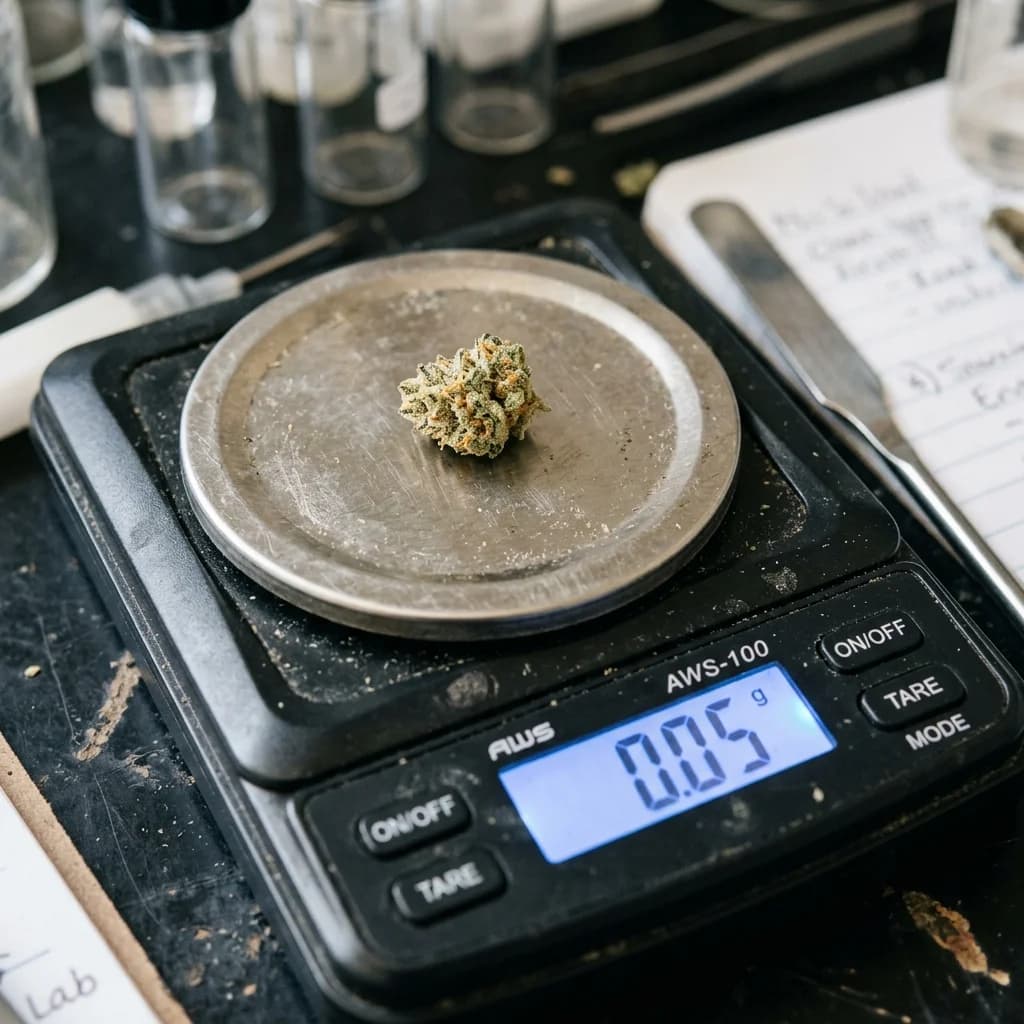
What microdosing cannabis actually means, how it works, the evidence behind low-dose THC, optimal protocols, and how to find your minimum effective dose without getting high.
This guide is for educational purposes only. Cannabis is illegal in the UK without a medical prescription. Always consult a healthcare professional before making decisions about cannabis use.
What Is Microdosing?
The Science of Low-Dose THC
- Pain: 2.5-5mg THC reduces pain perception in multiple studies, likely through CB1 receptor activation in pain pathways
- Sleep: A 2025 RCT found 2.5mg THC before bed reduced sleep onset by 17 minutes without next-day grogginess
- Neuroprotection: Preclinical studies show that ultra-low dose THC (0.002mg/kg in mice) triggers long-lasting cognitive improvements and neurogenesis — orders of magnitude below the psychoactive threshold
- Creativity: Low doses of THC may enhance divergent thinking and reduce cognitive rigidity, though the evidence is mixed and highly individual
Microdosing Protocols
As-Needed Protocol (Strongest Evidence)
Take 1-5mg THC specifically when you need it — before a stressful meeting, during a pain flare, or 30 minutes before bed. This has the strongest evidence base, avoids tolerance entirely, and is the approach most clinicians recommend. The dose is situational rather than scheduled.Every-Other-Day Protocol
Borrowed from psychedelic microdosing: take 2.5mg THC every third day (e.g., Monday, Thursday, Sunday). The rationale is preventing CB1 receptor downregulation, which causes tolerance. There's no cannabis-specific clinical evidence for this schedule, but CB1 receptor biology supports the logic.Daily Low-Dose Protocol (Weakest Evidence)
2.5mg at the same time each day. This is the most commonly marketed approach but has the weakest support. Tolerance to even low doses develops within 2-3 weeks of daily use, and there's no evidence that daily microdosing provides cumulative benefits.Titration Protocol (Most Personalised)
Start at 1mg and increase by 0.5mg per session until you find the minimum effective dose. This is the most careful approach and is recommended by most clinicians who work with medical cannabis patients. It may take several weeks to dial in.Best Products for Microdosing
THC Oil/Tinctures (Best Option)
Oils with 2-5mg THC per 0.25ml drop offer the most precise control. A 10ml bottle of 100mg/ml THC oil gives you 10mg per drop — too strong for microdosing. Look for oils with 2-4mg THC per 0.1ml for proper microdosing capability.Balanced 1:1 THC:CBD Oils
These are ideal for microdosing because the CBD tempers THC's psychoactive effects while potentially enhancing therapeutic benefits. A 5mg THC:5mg CBD dose is an excellent starting point for most people.Low-THC Flower (2-5%)
A single small puff from low-THC flower delivers approximately 1-3mg THC. This gives you the fast onset of inhalation with microdose-level precision. The challenge is consistency — each puff varies slightly.Edibles (Less Suitable)
Most edibles are dosed at 10-50mg per serving — far too high for microdosing. You'd need to cut a 10mg gummy into quarters (2.5mg), but even distribution is not guaranteed. Oils are more reliable.CBD-Only Products
CBD doesn't produce a high at any dose, so 'microdosing' doesn't apply in the same way. However, starting with 10-25mg CBD and increasing slowly is the same principle: find your minimum effective dose.Risks and Considerations
- Tolerance: Even microdoses cause tolerance with daily use. CB1 receptors downregulate within 2-3 weeks of consistent dosing. Take breaks (2-4 days) to maintain effectiveness.
- Individual sensitivity: Some people are extremely sensitive to THC. 1mg can feel like 10mg to a cannabis-naive individual. Start lower than you think you need.
- Product contamination: Black-market products may contain more THC than labelled. Buy from regulated sources (medical cannabis or reputable CBD brands) for accurate dosing.
- Drug testing: Even microdoses of THC can trigger positive drug tests. THC metabolites accumulate in fat tissue and can be detected for days or weeks. Microdosing does not mean test-safe.
Quick Questions
About the Author
Dave Mak
Dave founded The Budophile to create clear, honest cannabis education for UK beginners. With a background in health research and a network of specialist contributors, he ensures every guide is accurate, evidence-based, and practical. He also runs Baked & Rated for product reviews and The Green Prescription for medical cannabis access guidance.
Continue Learning
Cannabis & Creativity
Read this guide next →
Understanding Dosage
Read this guide next →
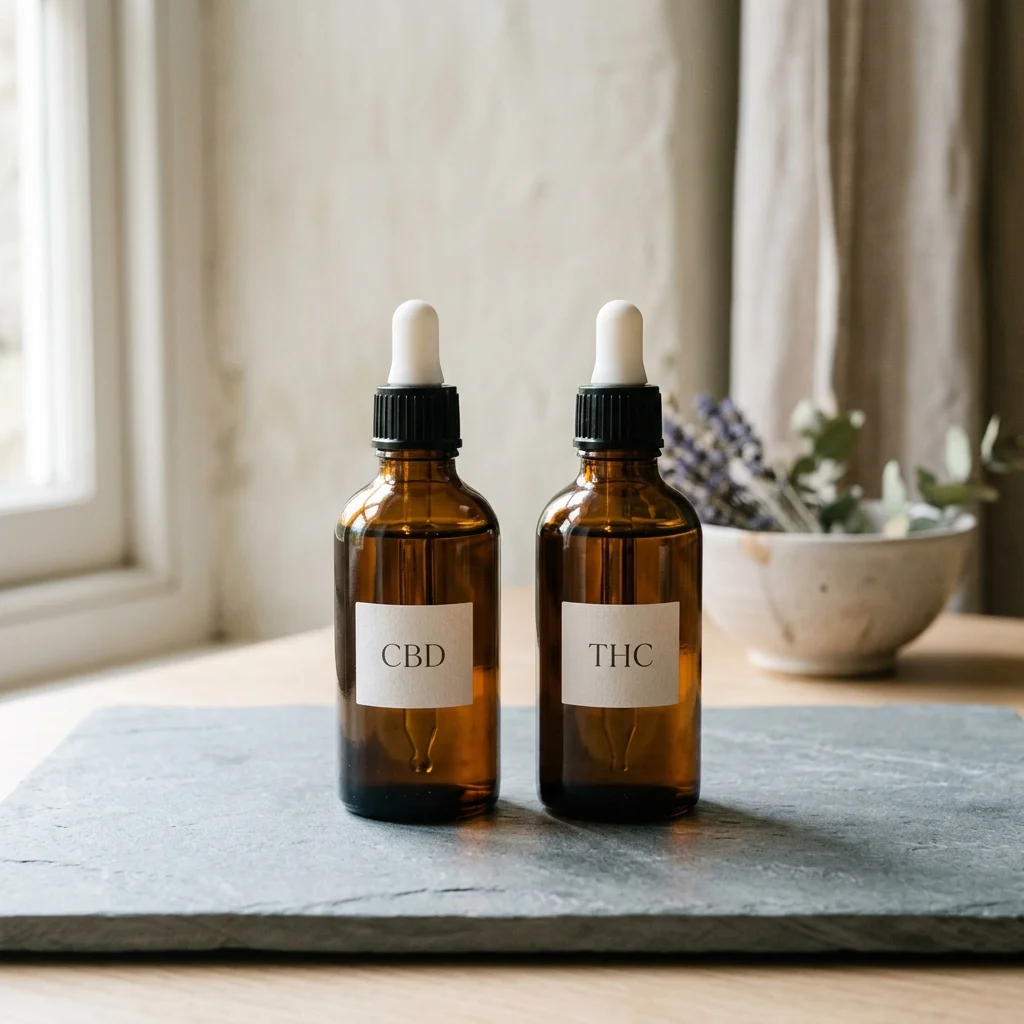
CBD vs THC for Anxiety
Read this guide next →
Cannabis Tolerance Break Guide
Read this guide next →
How Long Does Cannabis Stay in Your System?
Read this guide next →
How to Choose Your First Product
Read this guide next →
Cannabis & Music: The Perfect Playlist
Read this guide next →
Cannabis & Medication Interactions
Read this guide next →