Cannabis & Creativity: Unlock Your Flow State
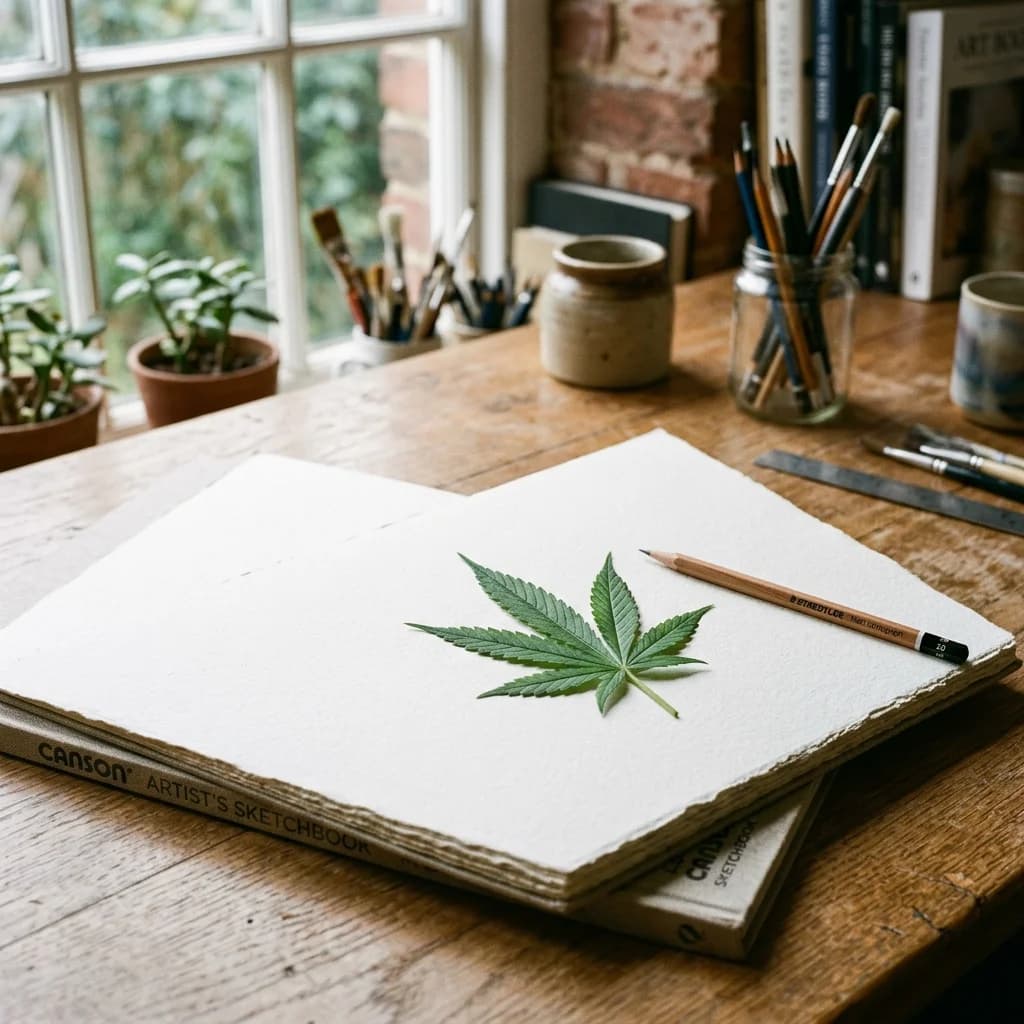
How cannabis affects creativity. Learn the science, strain recommendations for creative work, tips for enhanced sessions, and lessons from famous artists.
This guide is for educational purposes only. Cannabis is illegal in the UK without a medical prescription. Always consult a healthcare professional before making decisions about cannabis use.
The Cannabis-Creativity Connection
Strains for Different Creative Work
Writing and Word-Based Work
Sativa-dominant strains with limonene (citrus) and pinene (pine) promote mental energy, focus, and verbal fluency. These terpenes are associated with alertness and memory retention — helpful when you need to hold a sentence in your head while writing the next one. Try strains like Jack Herer, Super Lemon Haze, or a balanced 1:1 vape cartridge. Keep the dose low — one small puff, wait 10 minutes, assess. Microdosing (1-2.5mg THC) is often better for writing than a full recreational dose.Visual Art and Design
Strains high in limonene and humulene pair well with visual work — they promote focus on detail without the sedative effects of myrcene-dominant indicas. The enhanced colour perception that cannabis provides is real: studies show THC can improve colour discrimination at moderate doses. A 5mg edible or 2-3 vape puffs of a sativa hybrid about 30 minutes before starting gives you the perceptual boost without the couch lock.Music Production and Performance
This is where the individual variation is widest. Some musicians find low-dose THC essential for getting into a flow state during practice or performance. Others find it disrupts timing and motor coordination. For music production (DAW work, mixing), a microdose of a sativa-dominant strain can help with pattern recognition and creative arrangement. For live performance, practice both sober and under the influence to understand how it affects you. Our Cannabis & Music guide has more on how different strains affect music perception.Problem-Solving and Brainstorming
Balanced 1:1 THC:CBD products are surprisingly effective for brainstorming sessions. The CBD tempers the anxiety that high-THC strains can cause, keeping you in the productive zone rather than tipping into overthinking. Try this for your next solo brainstorming session: 2.5mg THC + 2.5mg CBD, a notebook (not a screen), a timer set for 25 minutes, and permission to write down every bad idea without judgement.For exploring strain-specific terpene profiles and genetics to find your ideal creative companion, Strain Genetics Archive offers detailed breakdowns of hundreds of varieties with their cannabinoid and terpene data.
Designing a Creative Session
Phase 1: Preparation (10 minutes)
Set up your materials before you consume. Notebook, pens, reference material, recording device, whatever you need. Clean your workspace. Open a window. If you're making music, have your DAW open and a template loaded. The goal is zero friction once the effects begin — you don't want to waste your peak creative window searching for a cable.Phase 2: Dose and Settle (15-30 minutes)
Take your chosen dose. For vaping, take one small puff and wait. Put on instrumental music (lyrics compete with your internal voice). Sit quietly. Let your mind wander. This is not wasted time — it's the incubation period where the divergent thinking starts.Phase 3: Flow (45-90 minutes)
Start working. Don't judge the output yet. Write the bad first draft. Paint the ugly sketch. Record the messy idea. The goal in this phase is generation, not quality. If you get stuck, switch mediums — if writing isn't flowing, try speaking into a voice recorder. If visual work isn't working, try mind-mapping on paper. The switching itself can unlock new pathways.Phase 4: Capture and Land (15 minutes)
Before the effects fully fade, write down everything you created and any ideas that surfaced. This is critical — the insights that feel brilliant at 2 hours can feel incomprehensible the next morning. Capture them while they're still warm.Phase 5: Edit Sober (Next Day)
This is the most important rule: never submit, publish, or send creative work that you produced under the influence. Cannabis lowers your critical filter — that's the point for generation. But you need that filter back to evaluate quality. Always sleep on it and edit sober.Common Pitfalls
The 'I'll Just Have One More' Trap
The ideal creative dose is lower than you think. The difference between productive focus and unfocused distraction is often just one extra puff. Once you're past the sweet spot, the divergent thinking advantage disappears and you're left with impaired memory and reduced output. If you feel the urge to consume more during a creative session, take that as a signal to stop consuming and start working.Confusing Inspiration with Productivity
Cannabis is excellent at making you feel creative. It's less good at making you actually produce work. The feeling of having a brilliant idea is not the same as executing one. The trap is feeling so inspired that you stop working to savour the feeling. The solution: have a specific output goal before you start. 'I'll write 500 words' beats 'I'll see what happens.'Tolerance and Diminishing Returns
If you use cannabis daily and find it no longer sparks creativity, that's normal. Tolerance reduces the perceptual effects that make cannabis useful for creative work. A tolerance break of 3-7 days can restore the magic. Using cannabis for creativity intermittently (1-3 times per week) is more effective than daily use.Not Every Medium Pairs Well
Not all creative work benefits from cannabis. Tasks that require fine motor precision (detailed illustration, surgical editing, complex coding) tend to suffer under the influence. Tasks that require broad association and pattern recognition (brainstorming, ideation, conceptual work, lyric writing) tend to benefit. Know which kind of work you're doing.A Note on Famous Users
Quick Questions
About the Author
Dave Mak
Dave founded The Budophile to create clear, honest cannabis education for UK beginners. With a background in health research and a network of specialist contributors, he ensures every guide is accurate, evidence-based, and practical. He also runs Baked & Rated for product reviews and The Green Prescription for medical cannabis access guidance.
Continue Learning
Understanding Dosage
Read this guide next →
Cannabis & Music
Read this guide next →
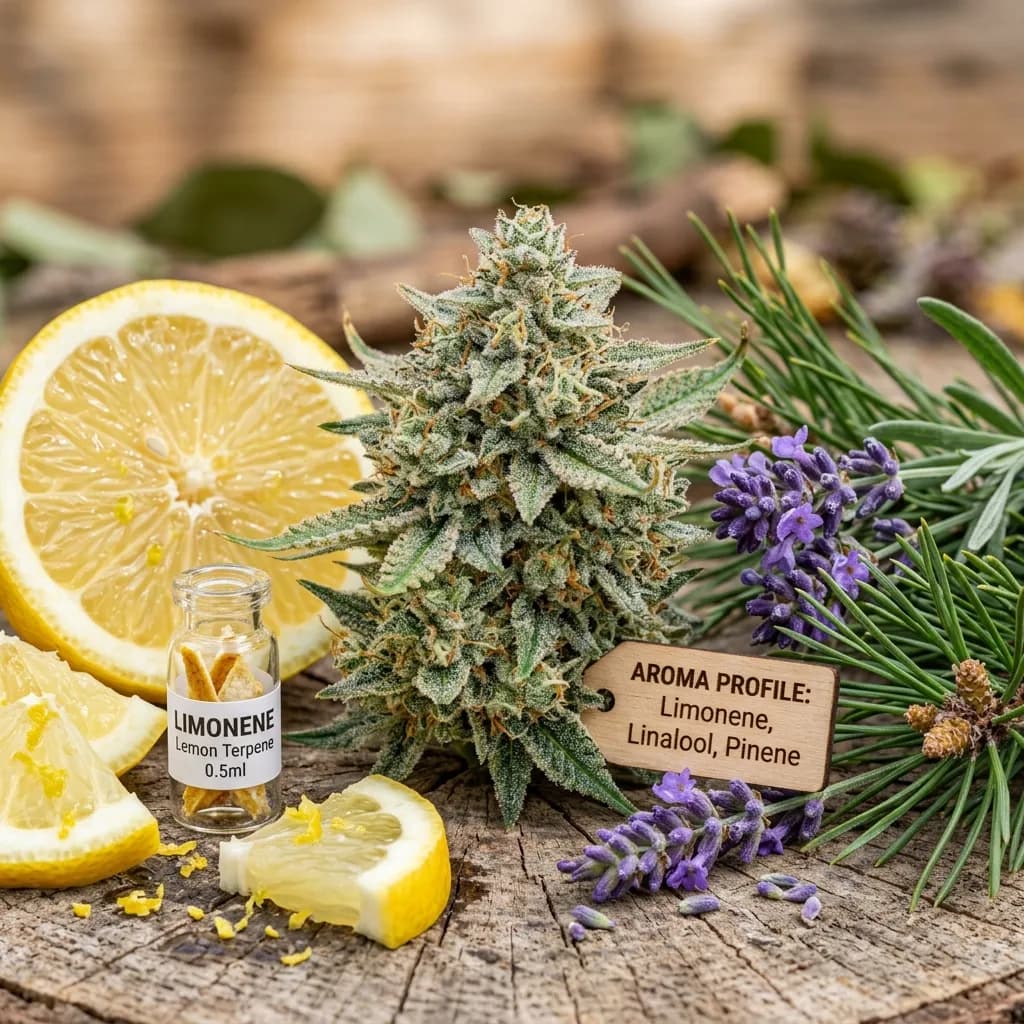
What Are Terpenes?
Read this guide next →
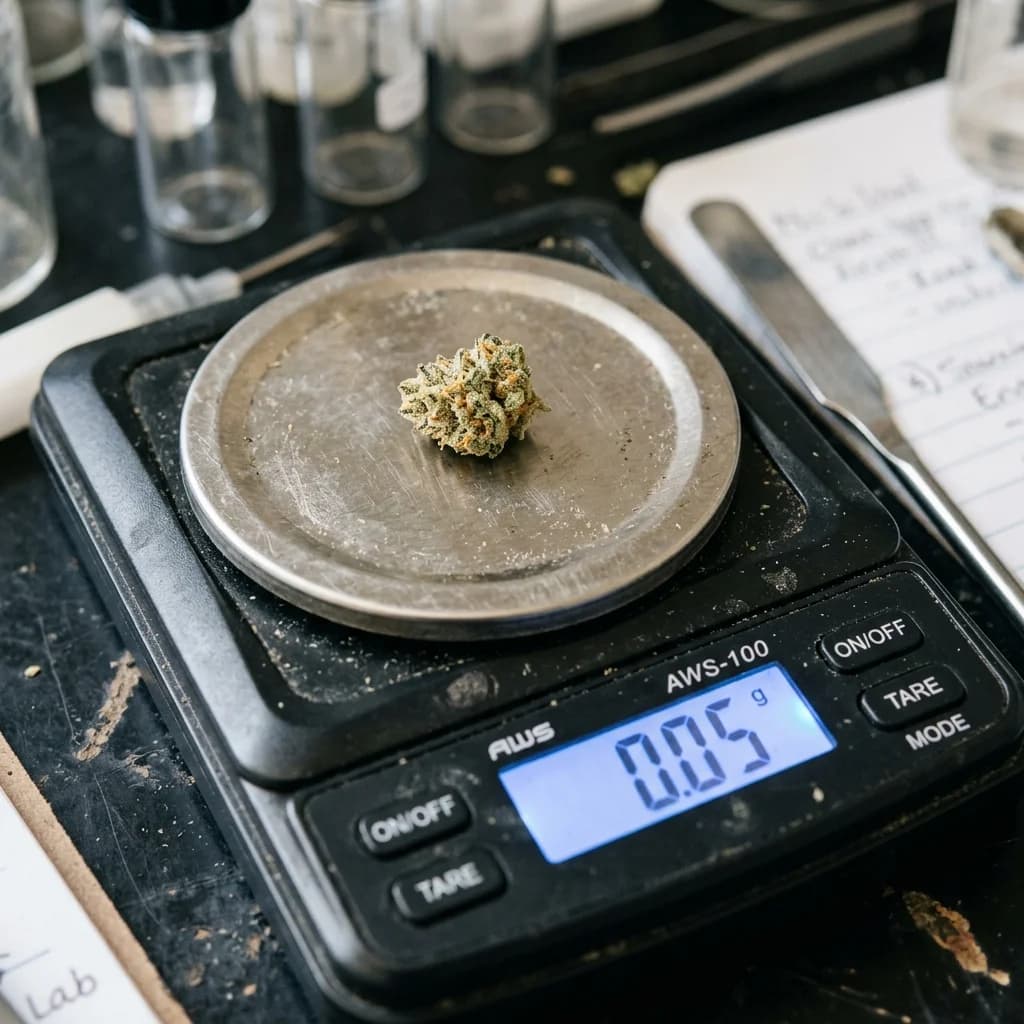
Microdosing Cannabis Guide
Read this guide next →
Indica vs Sativa: What's the Difference?
Read this guide next →
What Is Cannabis?
Read this guide next →
Cannabis & Nature: Hikes, Camping & the Outdoors
Read this guide next →
The Endocannabinoid System Explained
Read this guide next →