The Budophile
HomeGuidesGlossaryFAQAbout
Search
HomeGuidesIndica vs Sativa: What's the Difference?
Indica vs Sativa: What's the Difference?

7 min readBeginner Level
ShareX
Indica vs sativa guide

The difference between indica and sativa cannabis strains — plant characteristics, typical effects, what the labels actually mean, and why the distinction isn't as simple as most people think.

This guide is for educational purposes only. Cannabis is illegal in the UK without a medical prescription. Always consult a healthcare professional before making decisions about cannabis use.

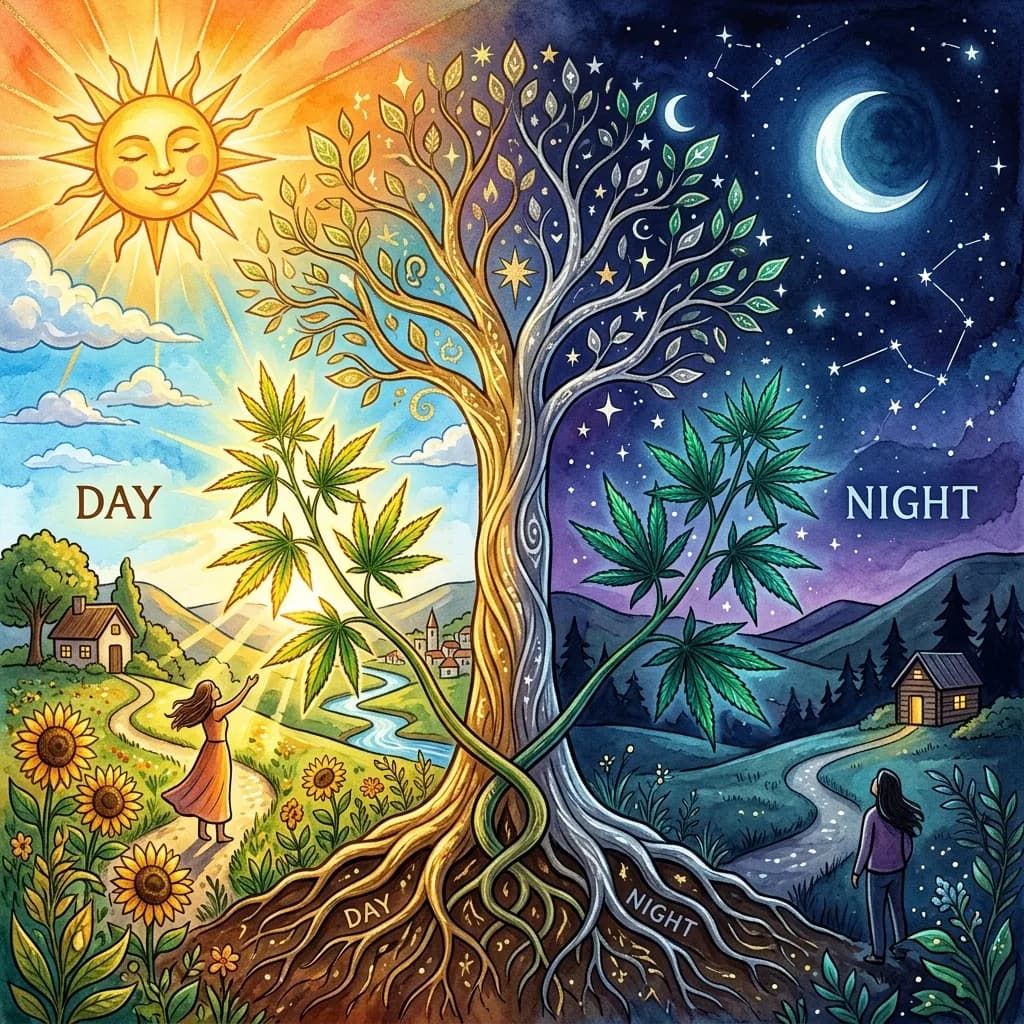
The traditional distinction: Indica plants are short and bushy with broad leaves, originating from the Hindu Kush mountain region. Associated with relaxing, body-heavy 'couch-lock' effects — described as 'in-da-couch.' Sativa plants are tall and thin with narrow leaves, originating from equatorial regions. Associated with uplifting, energetic, cerebral effects.
Indica effects: body relaxation, sedation, sleep aid, pain relief, appetite stimulation. Best suited for evening use, watching movies, or unwinding before bed. Classic indicas: Granddaddy Purple, Northern Lights, Bubba Kush.
Sativa effects: euphoria, creativity, focus, energy, social stimulation. Best suited for daytime use, creative projects, social situations, and physical activities. Classic sativas: Sour Diesel, Jack Herer, Super Lemon Haze.
The problem with this framework: most modern cannabis strains are hybrids. True pure indicas and sativas are increasingly rare in the commercial market. Most 'indica' or 'sativa' labels on products today refer more to the effects than the actual genetics.
Genetic testing has revealed that the indica vs sativa classification is not scientifically accurate. Many strains labelled as one or the other are genetically indistinguishable. The chemical profile (cannabinoids and terpenes) matters far more than the plant's physical characteristics.
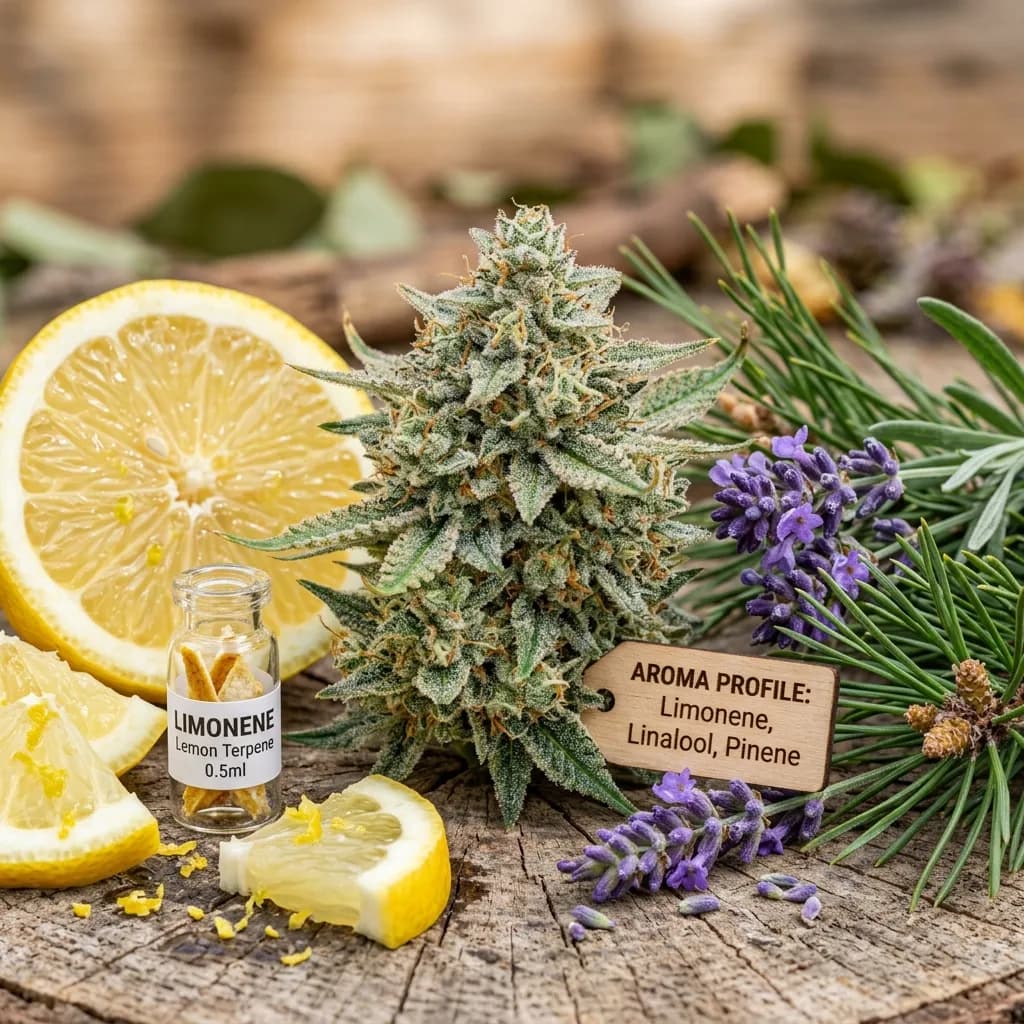
The effects people attribute to 'indica' vs 'sativa' are actually driven by the specific terpene profile of the strain. Myrcene-rich strains produce sedating effects (traditionally called indica). Limonene-rich strains produce uplifting effects (traditionally called sativa).
THC:CBD ratio also plays a major role. A high-THC strain with low CBD will feel more psychoactive regardless of whether it's labelled indica or sativa. A balanced 1:1 strain will feel milder and more functional regardless of its genetics.
The current scientific consensus is that 'indica' and 'sativa' are more useful as marketing shorthand for expected effects than as botanical or chemical classifications. What matters more is the specific strain's cannabinoid and terpene profile.
If you see a product labelled 'indica' or 'sativa,' treat it as a rough guide to expected effects, not a guarantee. Check the THC:CBD ratio and the dominant terpenes if that information is available — these are more reliable predictors of your experience.
For relaxation and sleep: Look for strains high in myrcene and linalool (traditionally labelled indica). Low THC, high myrcene strains are ideal for evening use.
For energy and focus: Look for strains high in limonene and pinene (traditionally labelled sativa). Medium THC with uplifting terpenes works best for daytime function.
For a balanced experience: Hybrid strains offer a mix of effects. 50/50 hybrids are good for social situations. 70/30 indica-dominant or sativa-dominant hybrids lean toward one side while providing some balance.
The ultimate test is your own experience. Keep notes on which strains work for which situations. Everyone's endocannabinoid system responds differently — what's relaxing for one person may be stimulating for another.

Quick Questions

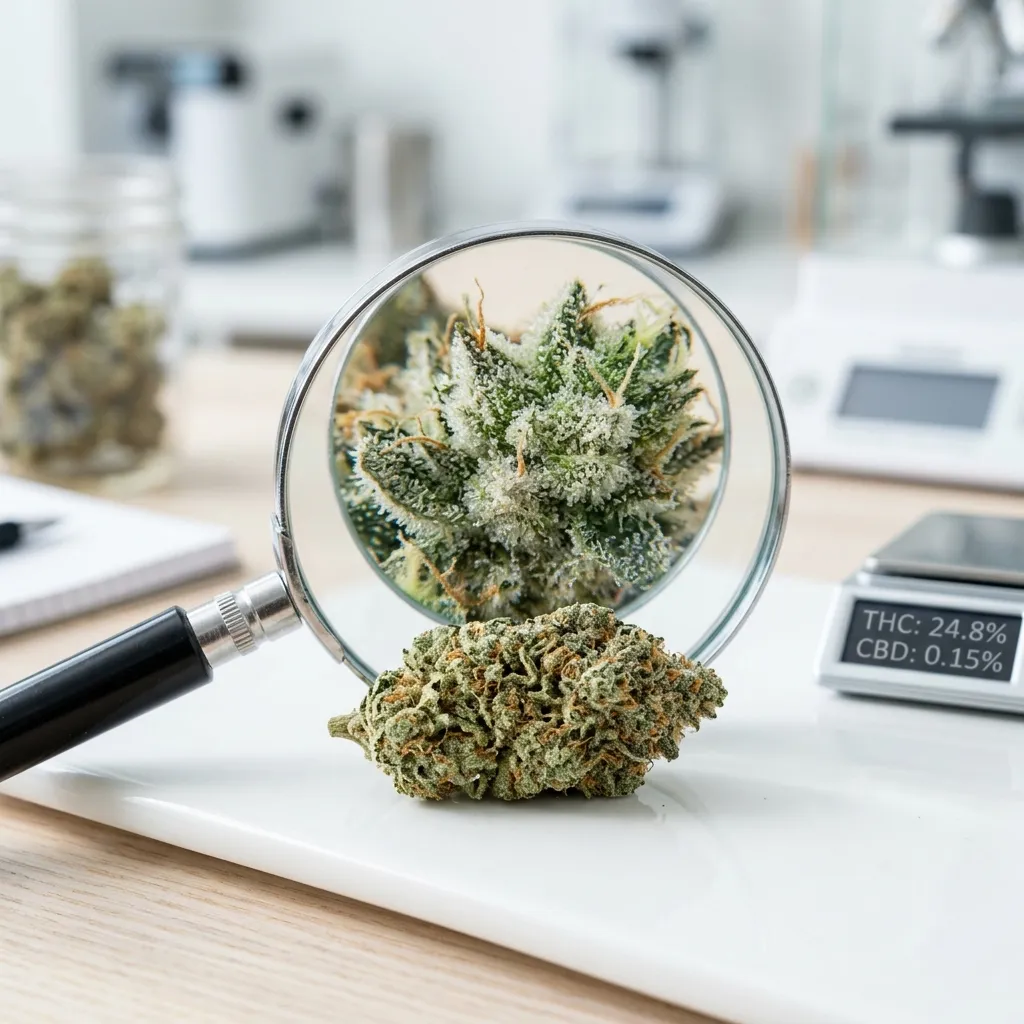
Neither. Beginners should focus on low-to-moderate THC levels (5-15%) and consider a balanced or CBD-rich strain, rather than worrying about the indica/sativa label.
Yes. Some people find the stimulating effects of sativa-dominant strains trigger anxiety. If you're prone to anxiety, start with strains labelled indica or balanced hybrids.
Yes, traditional indicas are short and bushy with broad leaves, while sativas are tall and thin with narrow leaves. However, most modern strains are hybrids that blend these characteristics.
Both can help, but indica-dominant strains with higher myrcene content are generally considered more effective for body pain and muscle tension. For nerve pain, look for strains with beta-caryophyllene.

About the Author

DM

Dave Mak

Dave founded The Budophile to create clear, honest cannabis education for UK beginners. With a background in health research and a network of specialist contributors, he ensures every guide is accurate, evidence-based, and practical. He also runs Baked & Rated for product reviews and The Green Prescription for medical cannabis access guidance.

Continue Learning
What Are Terpenes?

Read this guide next →
THC vs CBD

Read this guide next →
How to Read THC Percentages

Read this guide next →
What Is Cannabis?

Read this guide next →

Cannabis & Music: The Perfect Playlist

Read this guide next →
Cannabis & Creativity

Read this guide next →
The Seasonal Cannabis Guide

Read this guide next →
Cannabis & Nature: Hikes, Camping & the Outdoors

Read this guide next →

The Budophile

Cannabis education for beginners. Clear, honest, UK-legal information to help you make informed choices.

New Guides

Learn

  • Guides
  • Glossary
  • FAQ

Info

  • About
  • Contact
  • Privacy
  • RSS Feed

Our Network

  • DAM Live — Amsterdam Guide
  • The Green Prescription — UK Medical Cannabis
  • Baked & Rated — Hardware Reviews
  • Strain Genetics Archive

© 2026 The Budophile. For educational purposes only.