What Are Terpenes? A Beginner's Guide
4 min readBeginner LevelUpdated 2026-08-21
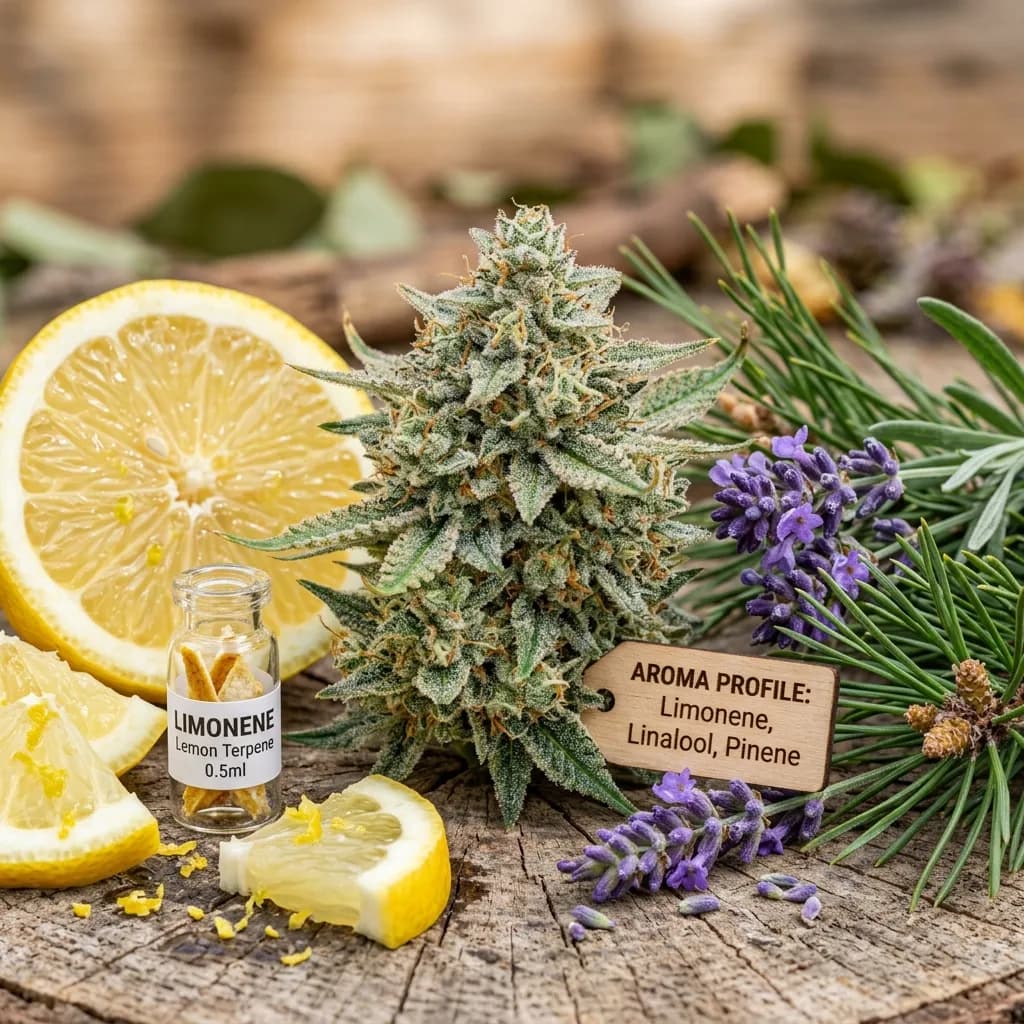
Everything you need to know about cannabis terpenes — the science of aroma compounds, individual terpene profiles, vaporization temperatures, and how they direct your medical and recreational experience.
This guide is for educational purposes only. Cannabis is illegal in the UK without a medical prescription. Always consult a healthcare professional before making decisions about cannabis use.
The Science of Terpenes
Terpenes are naturally occurring organic hydrocarbons synthesized by a vast array of plant species, conifers, and even certain insects. In cannabis, terpenes are responsible for the complex sensory bouquet — ranging from sharp diesel and zesty lemon to earthy pine, sweet lavender, and peppery spice.
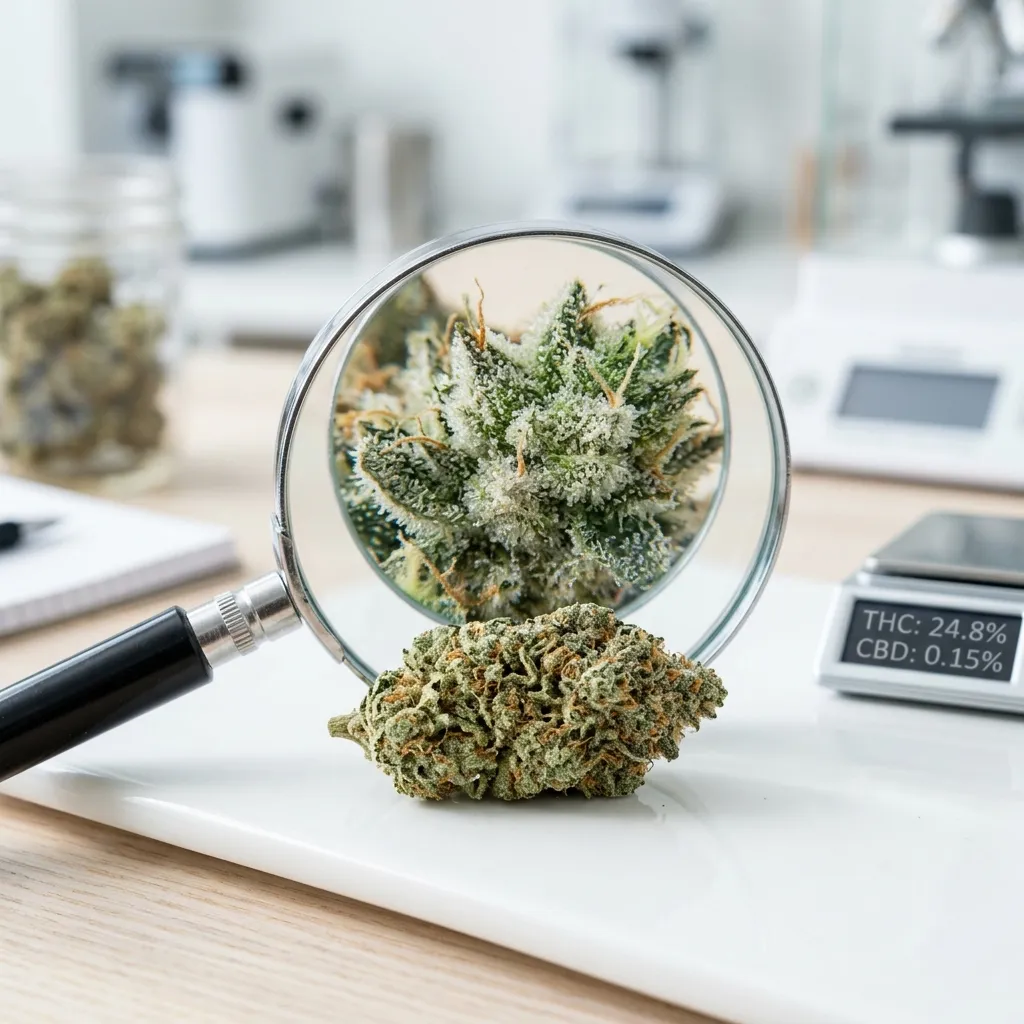
Both cannabinoids (like THC and CBD) and terpenes are biosynthesized inside the specialized bulbous and capitate-stalked glandular trichomes — the microscopic, mushroom-shaped crystal resin glands coating the surface of unfertilized female cannabis flowers.
From an evolutionary perspective, cannabis produces terpenes as an adaptive survival mechanism: sharp scents like pinene and caryophyllene deter herbivorous insects and grazing animals, while antimicrobial terpenes like humulene protect the plant against fungal pathogens and high UV solar radiation.
Over 200 distinct terpenes have been identified in the cannabis genome. While classified into light, highly volatile monoterpenes (like myrcene, limonene, and pinene) and heavier, more stable sesquiterpenes (like beta-caryophyllene and humulene), only a dozen major terpenes appear in sufficient concentrations to dictate a strain's physiological impact.
Major Terpene Profiles
1. Beta-Myrcene (Boiling Point: 168°C / 334°F): The most abundant monoterpene in modern commercial cannabis. Aroma: Earthy, musky, herbal, reminiscent of ripe mangoes and cloves. Physiology: Renowned for pronounced physical relaxation and muscle relief. Myrcene has been shown to enhance cell membrane permeability, facilitating faster cannabinoid passage across the blood-brain barrier.
2. D-Limonene (Boiling Point: 176°C / 349°F): The second most prevalent terpene. Aroma: Rind of lemons, oranges, grapefruit, and bergamot. Physiology: Highly uplifting and energizing. Clinical studies indicate limonene modulates dopamine and serotonin pathways, offering notable mood-elevating and stress-relieving properties.
3. Beta-Caryophyllene (Boiling Point: 130°C / 266°F): A heavy sesquiterpene with a unique biological distinction: it functions simultaneously as a terpene and a dietary cannabinoid by binding directly to peripheral CB2 receptors throughout the immune system. Aroma: Black peppercorns, cloves, woody spice. Physiology: Exceptional anti-inflammatory and gastroprotective relief without intoxicating effects.
4. Alpha & Beta-Pinene (Boiling Point: 155°C / 311°F): The most common terpene in nature. Aroma: Fresh pine needles, rosemary, and cedarwood. Physiology: Acts as a natural bronchodilator (opening airways) and inhibits acetylcholinesterase — an enzyme that breaks down neurotransmitters essential for memory — helping counteract short-term memory fog from THC.
5. Linalool (Boiling Point: 198°C / 388°F): Aroma: Sweet floral lavender with subtle spicy undertones. Physiology: Powerful anxiolytic (anti-anxiety), sedative, and anticonvulsant properties. Highly prized in strains engineered for insomnia and neuropathic stress.
6. Terpinolene (Boiling Point: 185°C / 365°F): Aroma: Complex blend of herbal pine, floral citrus, and fresh apples. Physiology: Present in only about 10% of cultivars (prominent in Jack Herer and Ghost Train Haze). Delivers a cerebral, creative, and energetic head-rush.
The Entourage Effect & Russo's Research
In 2011, renowned neurologist and psychopharmacology researcher Dr. Ethan Russo published a seminal peer-reviewed paper titled 'Taming THC: Potential Cannabis Synergy and Phytocannabinoid-Terpenoid Entourage Effects.'
Russo demonstrated that the medicinal efficacy of whole-plant cannabis is not simply a product of isolated THC or CBD percentages, but rather a synergistic biochemical symphony where minor cannabinoids and terpenes modulate, amplify, or soften the primary effects of THC.
For example, a high-THC distillate cartridge (90% THC with zero terpenes) frequently produces a flat, one-dimensional, racey high that can trigger acute paranoia. In contrast, whole-plant flower containing 18% THC alongside 3.5% terpenes (such as myrcene, linalool, and caryophyllene) often provides far deeper pain relief and therapeutic calming with dramatically reduced anxiety.
Vaporization & Preservation
Because terpenes are delicate volatile organic compounds (VOCs), traditional smoking combusts plant material at temperatures exceeding 600°C–800°C, incinerating over 70% of the natural terpenes before they can be absorbed.
Precision dry herb vaporization allows you to dial in specific temperatures to target distinct terpene boiling points:
• Low Range (155°C – 175°C): Optimal for capturing delicate monoterpenes like pinene and caryophyllene. Maximum flavour, gentle vapour, uplifting cerebral focus.
• Medium Range (180°C – 195°C): Unlocks myrcene, limonene, and terpinolene alongside moderate THC vaporization. Balanced body relaxation and sensory depth.
• High Range (200°C – 220°C): Fully extracts linalool and heavy cannabinoids (CBN, CBC). Heavy sedative effects, dense vapour, ideal for night-time pain and sleep.
Preserving Terpenes in Storage: Terpenes rapidly degrade when exposed to heat, UV sunlight, and oxygen. Always store cured cannabis flower in airtight amber glass jars equipped with a 58% or 62% two-way humidity control pack (e.g. Boveda or Integra Boost) to prevent trichomes from drying out and off-gassing their essential oils.
Quick Questions
About the Author
DM
Dave Mak
Dave founded The Budophile to create clear, honest cannabis education for UK beginners. With a background in health research and a network of specialist contributors, he ensures every guide is accurate, evidence-based, and practical. He also runs Baked & Rated for product reviews and The Green Prescription for medical cannabis access guidance.