The Budophile
HomeGuidesGlossaryFAQAbout
Search
HomeGuidesHow to Read THC Percentages: What the Numbers Mean
How to Read THC Percentages: What the Numbers Mean

7 min readBeginner Level
ShareX
THC percentages guide

What THC percentages actually mean, how they're measured, why higher isn't always better, and how to use this information to choose the right product.

This guide is for educational purposes only. Cannabis is illegal in the UK without a medical prescription. Always consult a healthcare professional before making decisions about cannabis use.

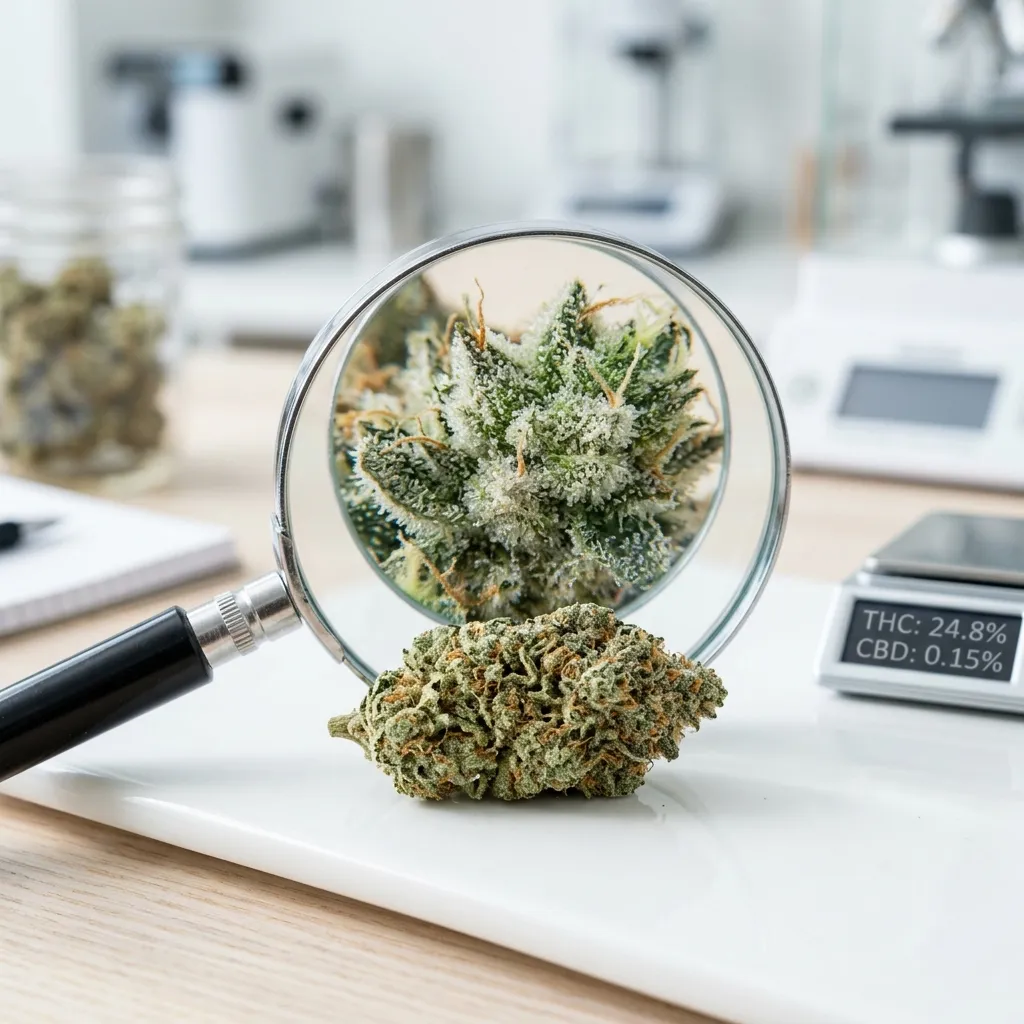
THC percentage is a measure of how much of the flower's total weight is tetrahydrocannabinol. A strain labelled 20% THC means 20% of its weight is THC — the rest is water, plant material, other cannabinoids, and terpenes.
This number is determined by laboratory testing using high-performance liquid chromatography (HPLC) or gas chromatography (GC). The sample is taken from a batch of flower and tested to determine its cannabinoid profile.
Important: The THC percentage on a label is an average of the batch, not a guarantee of every single bud. Different parts of the same plant can vary by 2-5%. A 22% batch may contain buds testing anywhere from 19% to 25%.
Lab inflation is real: Some producers send their best buds for testing (not representative samples), use different testing methods that produce higher readings, or simply lie about the numbers. In the UK black market, a bag sold as '30%' is unlikely to contain more than 15-18%. Treat labelled percentages as rough guides, not facts.
THC percentage alone does not determine the quality or effects of cannabis. Terpenes, cannabinoid ratios, freshness, and your individual body chemistry all play equally important roles in your experience.
Low THC (5-10%): Mild effects suitable for beginners, microdosing, or daytime use. Often found in CBD-rich strains and older landrace varieties. Provides subtle relaxation without significant impairment.
Moderate THC (10-15%): A comfortable range for most occasional users. Noticeable psychoactive effects with manageable impairment. Good for social use, creative activities, and unwinding after work.
High THC (15-22%): Strong effects suitable for regular users with some tolerance. Significant euphoria, relaxation, and potential impairment. Most popular strains sold in dispensaries fall in this range.
Very High THC (22-30%+): Very potent. Can cause anxiety, paranoia, and discomfort in inexperienced users. Many 'premium' strains claim these numbers, but lab inflation is common — real-world levels are often 2-5% lower than stated.
The average UK black-market flower tests at 8-14% THC despite being sold as '25%' or 'top shelf.' Medical cannabis flower from UK clinics typically tests at 18-25% — and those numbers are verified by third-party labs.
Lab inflation is a well-documented problem in the cannabis industry. Some producers send in their best buds (not representative samples), use different testing methods that produce higher readings, or simply lie about the numbers.
In unregulated markets (including the UK black market), there is no verification at all. A bag sold as '30%' is unlikely to contain more than 15-18%. Street dealers use inflated percentages as a marketing tool, not a factual claim.
Even in regulated markets, testing discrepancies of 5-10% between different labs for the same sample are common. Some labs deliberately inflate numbers to attract producer business — a practice known as 'lab shopping.'
The most reliable way to gauge potency is your own experience. Start with a low dose of any new strain regardless of its claimed percentage, and adjust based on how it affects you rather than what the label says.
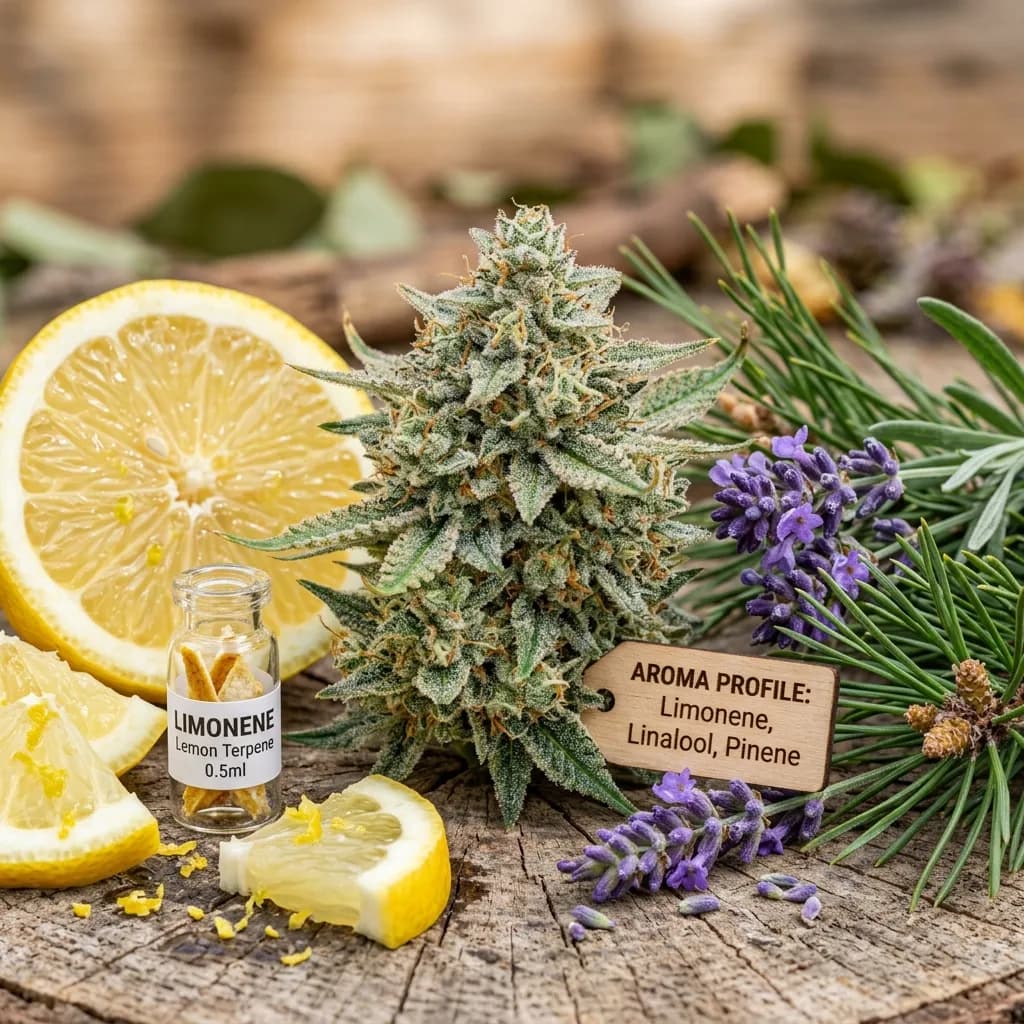
Terpenes are the aromatic compounds that give cannabis its smell and flavour. They also modulate the effects of THC. Limonene (citrus) lifts mood, myrcene (earthy) promotes relaxation, and pinene (pine) supports focus. A strain with 15% THC and rich terpenes can feel stronger than a 22% strain with poor terpene retention.
The entourage effect describes how cannabinoids and terpenes work together synergistically. A balanced 1:1 THC:CBD strain at 7% each can provide more therapeutic benefit than a 20% THC strain with no CBD, especially for anxiety and pain.
Freshness matters enormously. THC degrades to CBN (cannabinol) over time, especially when exposed to heat, light, and oxygen. Old, poorly stored flower with a high original THC percentage may actually produce weaker effects than fresher, lower-THC flower.
For exploring how different strains compare in the real world, DAM Live's strain index tracks thousands of varieties with verified potency data from Amsterdam coffeeshops.

Quick Questions

No. Higher THC increases the risk of anxiety, paranoia, and negative side effects. The best THC level is the lowest that gives you the effects you want — not the highest number on the shelf.
Terpenes, cannabinoid ratios, freshness, and individual body chemistry all affect the experience. A well-grown strain with rich terpenes can feel more potent than a high-THC strain with poor flavour and old stock.
UK medical cannabis is tested by accredited labs and percentages are more reliable than black market claims. However, some variance between batches is normal.
Black market flower averages 8-14% despite inflated claims. Medical cannabis averages 18-25% with verified testing. Amsterdam coffeeshop flower typically ranges from 12-22%.

About the Author

DM

Dave Mak

Dave founded The Budophile to create clear, honest cannabis education for UK beginners. With a background in health research and a network of specialist contributors, he ensures every guide is accurate, evidence-based, and practical. He also runs Baked & Rated for product reviews and The Green Prescription for medical cannabis access guidance.

Continue Learning
Understanding Dosage

Read this guide next →

Cannabis & Nature

Read this guide next →

What Are Terpenes?

Read this guide next →
Indica vs Sativa: What's the Difference?

Read this guide next →
What Is Cannabis?

Read this guide next →

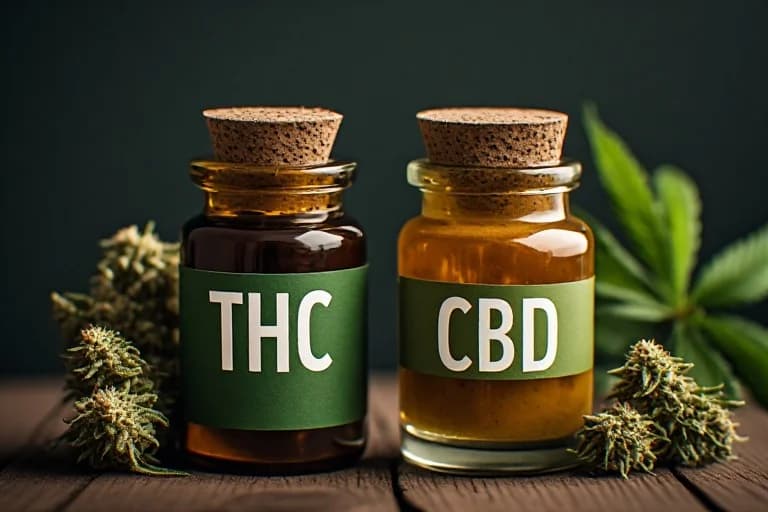
THC vs CBD Explained

Read this guide next →

How to Choose Your First Product

Read this guide next →

How to Store Cannabis Properly

Read this guide next →
The Budophile

Cannabis education for beginners. Clear, honest, UK-legal information to help you make informed choices.

New Guides

Learn

  • Guides
  • Glossary
  • FAQ

Info

  • About
  • Contact
  • Privacy
  • RSS Feed

Our Network

  • DAM Live — Amsterdam Guide
  • The Green Prescription — UK Medical Cannabis
  • Baked & Rated — Hardware Reviews
  • Strain Genetics Archive

© 2026 The Budophile. For educational purposes only.