What Is Cannabis?
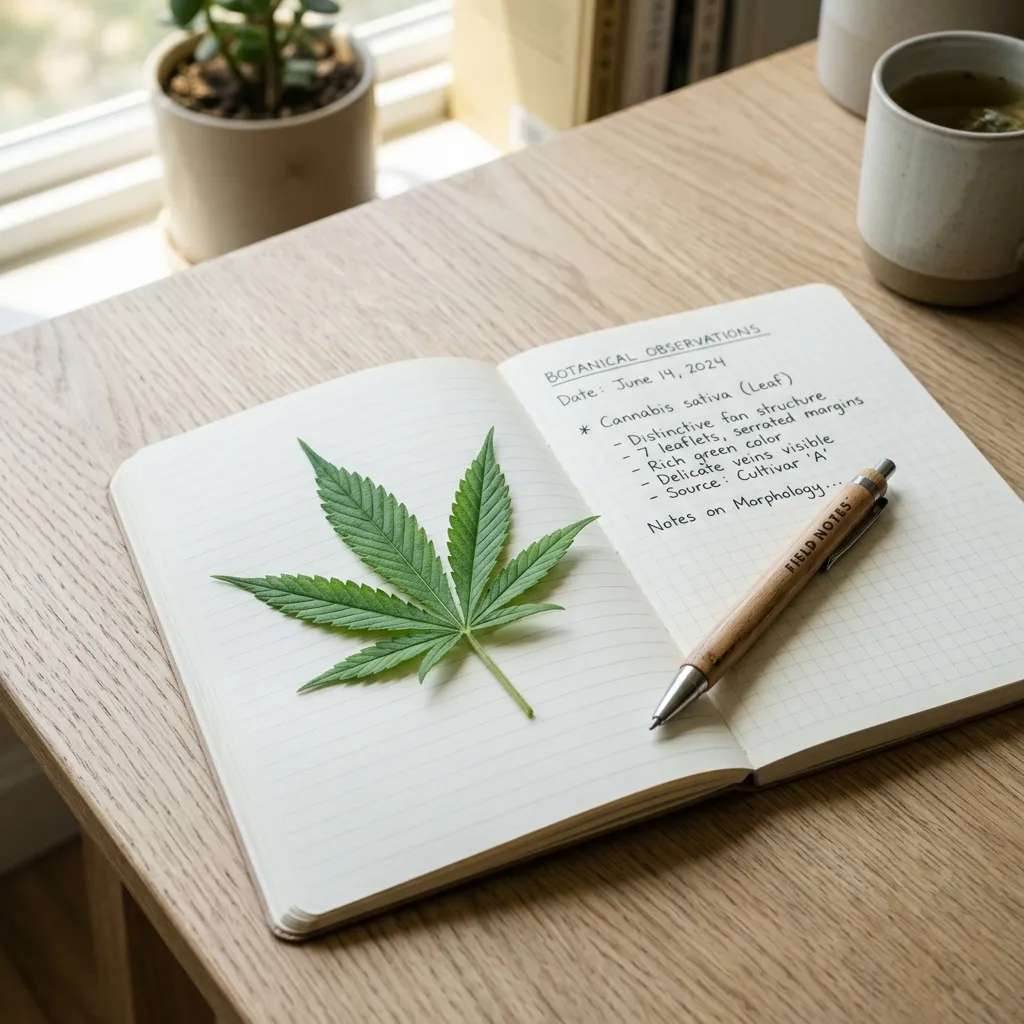
A complete beginner's guide to the cannabis plant — its history, how it works in the body, and the key things you need to know.
This guide is for educational purposes only. Cannabis is illegal in the UK without a medical prescription. Always consult a healthcare professional before making decisions about cannabis use.
CB1 Receptors (Brain & Nervous System)
These are primarily found in the brain and central nervous system — they're responsible for the psychoactive effects of THC. When THC binds to CB1 receptors, it alters neurotransmitter release, which changes perception, mood, and cognition.CB2 Receptors (Immune System)
These are found throughout the immune system and are associated with anti-inflammatory and immunomodulatory effects. CBD has a particularly strong affinity for CB2 pathways, which explains its therapeutic potential for inflammatory conditions.Common Effects (Low to Moderate Dose)
- Altered time perception — minutes can feel like hours
- Increased appetite ('the munchies') — caused by THC binding to CB1 receptors in the hypothalamus
- Relaxation and mild euphoria — the most commonly reported effects
- Dry mouth and red eyes — harmless side effects caused by cannabinoid receptor activation in salivary glands and blood vessels
- Enhanced sensory perception — music, food, and touch may feel more intense
Higher Dose Effects (Risks)
Higher doses or strains high in THC can cause anxiety, paranoia, dizziness, and impaired short-term memory. These effects are temporary and will pass, but they can be very unpleasant — another reason to start with a low dose.Inhalation (Smoking & Vaping)
Fastest onset (seconds to minutes), effects last 1-3 hours. Vaping is generally considered safer than smoking because it avoids combustion byproducts. Dry herb vaporisers heat flower without burning it. For a full guide, see How to Vape Cannabis.Edibles
Food or drink infused with cannabis. Onset takes 30-90 minutes, effects last 4-8+ hours. Edibles are harder to dose because of the delayed onset — many beginners overconsume by taking more before the first dose kicks in. The liver converts THC into 11-hydroxy-THC, which is more potent and produces a more intense body high. See our Edibles Guide for dosing tips.Tinctures & Oils
Liquid extracts taken under the tongue (sublingually). Onset in 15-30 minutes, effects last 2-4 hours. Offers precise dosing with a dropper — good for beginners and medical patients. See our Tinctures Guide.Topicals
Creams, balms, and lotions applied to the skin. Non-psychoactive — used for localised pain and inflammation. Onset in 15-45 minutes, effects last 2-4 hours. See our Topicals Guide.Concentrates & Dabbing
Highly potent extracts (60-90% THC) vaporised using a dab rig. Extremely fast onset and intense effects. Not recommended for beginners. For a complete guide, see Concentrates & Dabbing Guide.Which Method Is Right for You?
Beginners should start with either low-THC flower via a dry herb vaporiser, or a CBD-dominant tincture. Avoid edibles and concentrates until you understand your tolerance. For a side-by-side comparison of all methods, read our Consumption Methods Compared guide.Quick Questions
About the Author
Dave Mak
Dave founded The Budophile to create clear, honest cannabis education for UK beginners. With a background in health research and a network of specialist contributors, he ensures every guide is accurate, evidence-based, and practical. He also runs Baked & Rated for product reviews and The Green Prescription for medical cannabis access guidance.
Continue Learning
Understanding Dosage
Read this guide next →
UK Law Explained
Read this guide next →
Cannabis Glossary
Read this guide next →
THC vs CBD Explained
Read this guide next →
Indica vs Sativa: What's the Difference?
Read this guide next →
The Endocannabinoid System Explained
Read this guide next →
How to Choose Your First Product
Read this guide next →
How Long Does Cannabis Stay in Your System?
Read this guide next →