Cannabis Consumption Methods Compared: Which One Is Right for You?

Vaping, smoking, edibles, tinctures, topicals, and concentrates compared. Learn about onset times, duration, health impacts, and how to choose.
This guide is for educational purposes only. Cannabis is illegal in the UK without a medical prescription. Always consult a healthcare professional before making decisions about cannabis use.
Why Method Matters
Inhalation: Vaping vs Smoking
Vaping (Dry Herb Vaporisers)
Vaping heats cannabis flower to 160-220°C — hot enough to vaporise cannabinoids and terpenes but not hot enough to cause combustion. This is the fastest-growing consumption method worldwide, and for good reason: it offers the best balance of rapid onset, controllable dosing, flavour preservation, and reduced respiratory harm compared to smoking. Our Vaping Guide covers devices and technique in detail.Smoking (Joints, Pipes, Bongs)
Smoking involves burning cannabis flower at 600-900°C, which creates a complex mix of cannabinoids and combustion byproducts including tar, carbon monoxide, and carcinogens. The onset is equally fast, and some users prefer the fuller-bodied effect that combustion produces — possibly due to the rapid delivery of multiple compounds at once. However, the respiratory trade-off is significant. Regular cannabis smoking is associated with chronic bronchitis symptoms, and while the lung cancer risk appears lower than with tobacco, it's not zero. If you prefer water filtration, compare the best bongs and water pipes UK.Dry Herb Vaporisers vs Dabs
Dabbing involves vaporising cannabis concentrates (wax, shatter, live resin) on a heated surface. This method delivers extremely high potency with rapid onset — a single dab can contain 60-90% THC. Dabs are for experienced users with established tolerance. For most beginners and regular users, dry herb vaping offers a more controllable, lower-risk inhalation experience. Concentrates are discussed in more detail later in this guide.Which Should You Choose?
For beginners: start with a dry herb vape at a low temperature (170-175°C). It's the most forgiving, safest, and most flavourful inhalation method. For medical patients: dry herb vaping is the most common prescribed method in the UK because it allows precise, repeatable dosing. For experienced users who prefer the traditional smoking experience, consider whether the respiratory benefits of switching to vaping outweigh the different feel.Edibles: Long-Lasting and Potent
Onset and Duration
Edibles take 30-90 minutes to kick in, depending on your metabolism, what you've eaten recently, and the type of edible. Peak effects occur at 2-4 hours, and the total experience lasts 4-8 hours — sometimes longer with high doses. This delayed onset is the main source of edible-related problems: people take more because they don't feel anything yet, then end up with an uncomfortably intense experience when everything hits at once.Dosing
Precise dosing is both the strength and the weakness of edibles. Once you know your dose, you get consistent, predictable results. But finding that dose requires patience. Start with 2.5-5mg THC and wait at least 2 hours before considering more. For a complete breakdown of edible dosing, including how to calculate homemade edibles, see our Edibles Guide and Cannabis Cooking guide.Who Edibles Are For
Edibles are ideal for people who don't want to inhale anything, want longer-lasting relief (especially for sleep or chronic pain), or prefer a more body-focused experience. They're less suitable for situations where you need to control the duration precisely — once you've taken an edible, you're committed for several hours.Tinctures, Oils & Topicals
Tinctures and Oils (Sublingual)
Tinctures are alcohol-based cannabis extracts, while oils are typically MCT or olive oil infusions. Both are taken sublingually — held under the tongue for 60-90 seconds before swallowing. Absorption through the oral mucosa bypasses the digestive system, producing faster onset (15-45 minutes) than edibles but slower than inhalation. Duration is 3-5 hours. Tinctures and oils offer the most precise dosing of any method — each drop contains a known amount of THC or CBD. This makes them ideal for medical patients who need consistent, repeatable doses. Our Tinctures & Oils guide covers how to use them effectively.Topicals (Creams, Balms, Lotions)
Topicals are applied directly to the skin and absorbed locally. They interact with cannabinoid receptors in the skin and underlying tissues but do not enter the bloodstream in significant amounts — meaning they produce zero psychoactive effects. This makes topicals ideal for localised pain, inflammation, arthritis, muscle soreness, and skin conditions without any impairment. Onset is 15-30 minutes and duration is 2-4 hours. There's no 'high' and no upper limit on dosing — you can apply as much as needed. Our Topicals Guide has more detail on product types and what conditions respond best.Sublingual vs Topical: When to Use Each
If you want systemic effects (pain relief across your whole body, anxiety reduction, sleep support) without inhaling, choose sublingual tinctures or oils. If you have a specific area of pain or inflammation and don't want any psychoactive effect, choose a topical. They can also be combined — a tincture for background relief and a topical for a targeted area.Concentrates and Dabs: High Potency, High Experience
How Concentrates Are Consumed
Concentrates are typically vaporised using a dab rig (a specialised water pipe with a heated surface), an e-nail (an electronically heated nail), or a concentrate vaporiser pen. The material is placed on a heated surface, instantly vaporised, and inhaled. The experience is intense: rapid onset, extremely strong effects, and a shorter duration than flower (30-60 minutes for the peak).Who Are Concentrates For?
Concentrates are for experienced users with established tolerance. They are not suitable for beginners. Even regular flower users often find dabs overwhelming — the potency jump from 15-25% THC flower to 60-90% concentrates is substantial. For medical patients, concentrates can be useful for severe chronic pain, breakthrough pain, or conditions requiring very high cannabinoid doses. However, most UK medical clinics prescribe flower or oils, not concentrates.Risks and Considerations
The main risk with concentrates is overconsumption. It's very easy to take too much, especially with your first few dabs. The effects of overconsumption include extreme anxiety, paranoia, nausea, dizziness, and temporary cognitive impairment — all of which pass but are extremely uncomfortable. Start with a rice-grain-sized amount, wait 10-15 minutes, and assess before taking more. See our Overdose guide for what to do if someone has taken too much.Hash: The Traditional Concentrate
Hashish (hash) is a traditional cannabis concentrate made by compressing trichomes (resin glands) from cannabis plants. It typically contains 20-50% THC — less potent than modern extracts but stronger than flower. Hash is consumed by crumbling it into a joint, pipe, or vaporiser. It has a long history in European cannabis culture and remains popular in the UK. For reviews of equipment used with all forms of concentrates and flower, Baked & Rated covers the full range of hardware available in the UK.How to Choose: A Decision Framework
1. How Fast Do You Need Effects?
Immediate (seconds to minutes): vaping, smoking, dabs. Within 15-45 minutes: sublingual tinctures and oils. Within 30-90 minutes: edibles. No psychoactive effect: topicals.2. How Long Do You Want Effects to Last?
Short (1-3 hours): vaping, smoking. Medium (3-5 hours): tinctures, oils, dabs. Long (4-8 hours): edibles. Variable: topicals (2-4 hours, local only).3. How Important Is Dose Precision?
High precision needed: tinctures and oils (each drop is a known dose). Medium precision: vaping (you can take single puffs but potency varies by strain and temperature). Low precision: edibles (delayed onset makes finding the right dose a slow process), smoking (variable amounts per puff).4. What Are Your Health Priorities?
Minimise respiratory impact: edibles, tinctures, topicals. Zero psychoactive effects: topicals, CBD-only products. Most balanced trade-off: dry herb vaping (minimal respiratory impact, fast onset, good control).Quick Recommendations by Use Case
First time trying cannabis: start with a dry herb vape at low temperature, or a low-dose tincture (2.5mg THC).Chronic pain relief: tinctures or oils for full-body relief, topicals for localised pain.
Sleep aid: low-dose edible (5-10mg THC) or CBN oil taken 1-2 hours before bed. See our CBN for Sleep guide.
Social use with friends: dry herb vape for controllable, conversation-friendly effects.
Daily medical management: tinctures or oils for consistent, repeatable dosing.
Maximum potency: concentrates (experienced users only).
Don't want to inhale at all: edibles, tinctures, or topicals depending on your needs.
Quick Questions
About the Author
Dave Mak
Dave founded The Budophile to create clear, honest cannabis education for UK beginners. With a background in health research and a network of specialist contributors, he ensures every guide is accurate, evidence-based, and practical. He also runs Baked & Rated for product reviews and The Green Prescription for medical cannabis access guidance.
Continue Learning
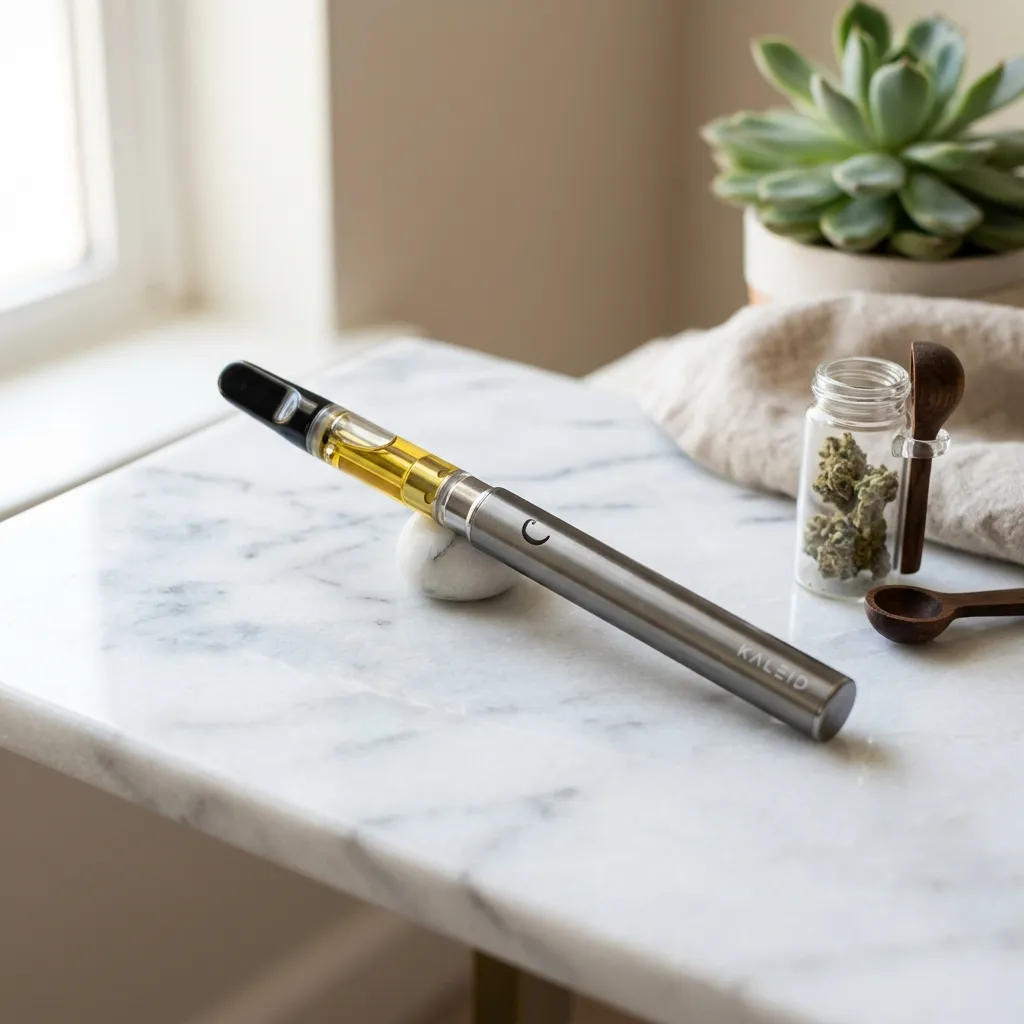
How to Vape Cannabis
Read this guide next →
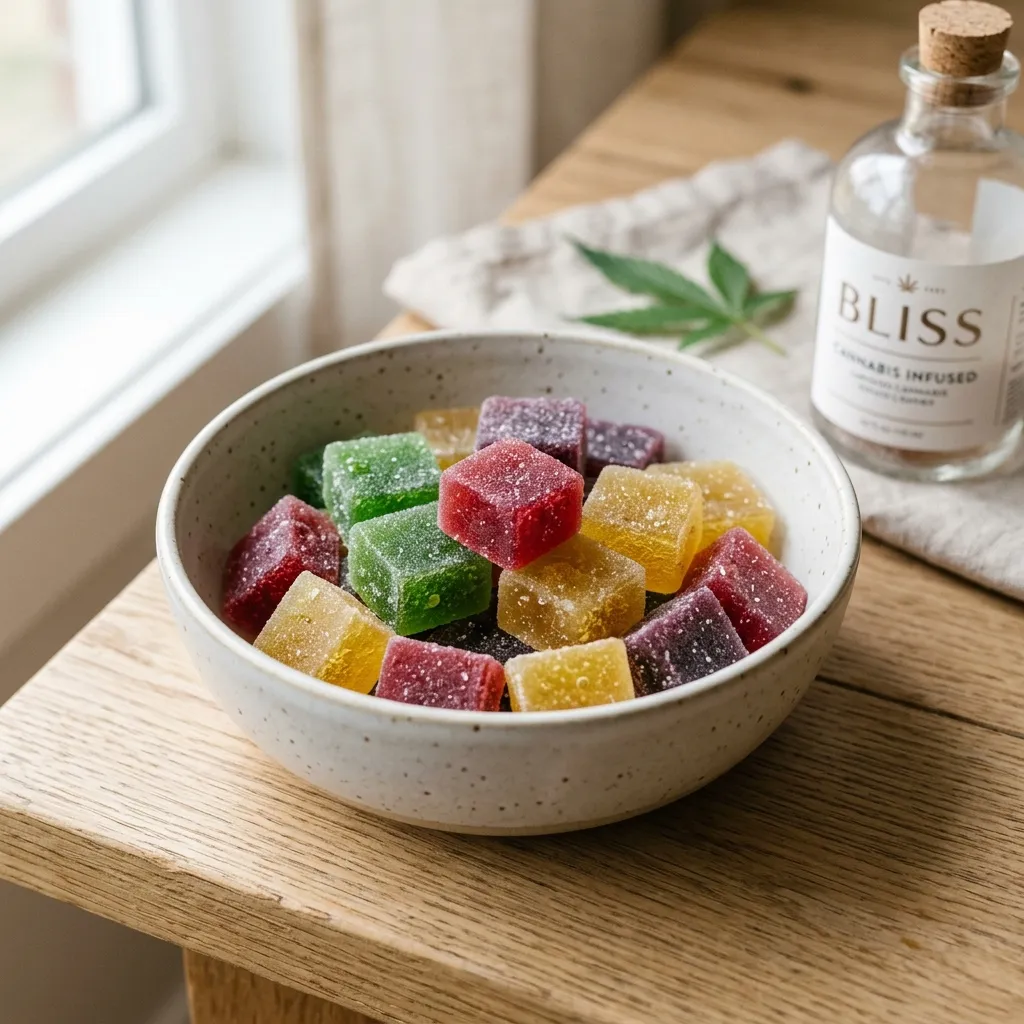
Cannabis Edibles Guide
Read this guide next →
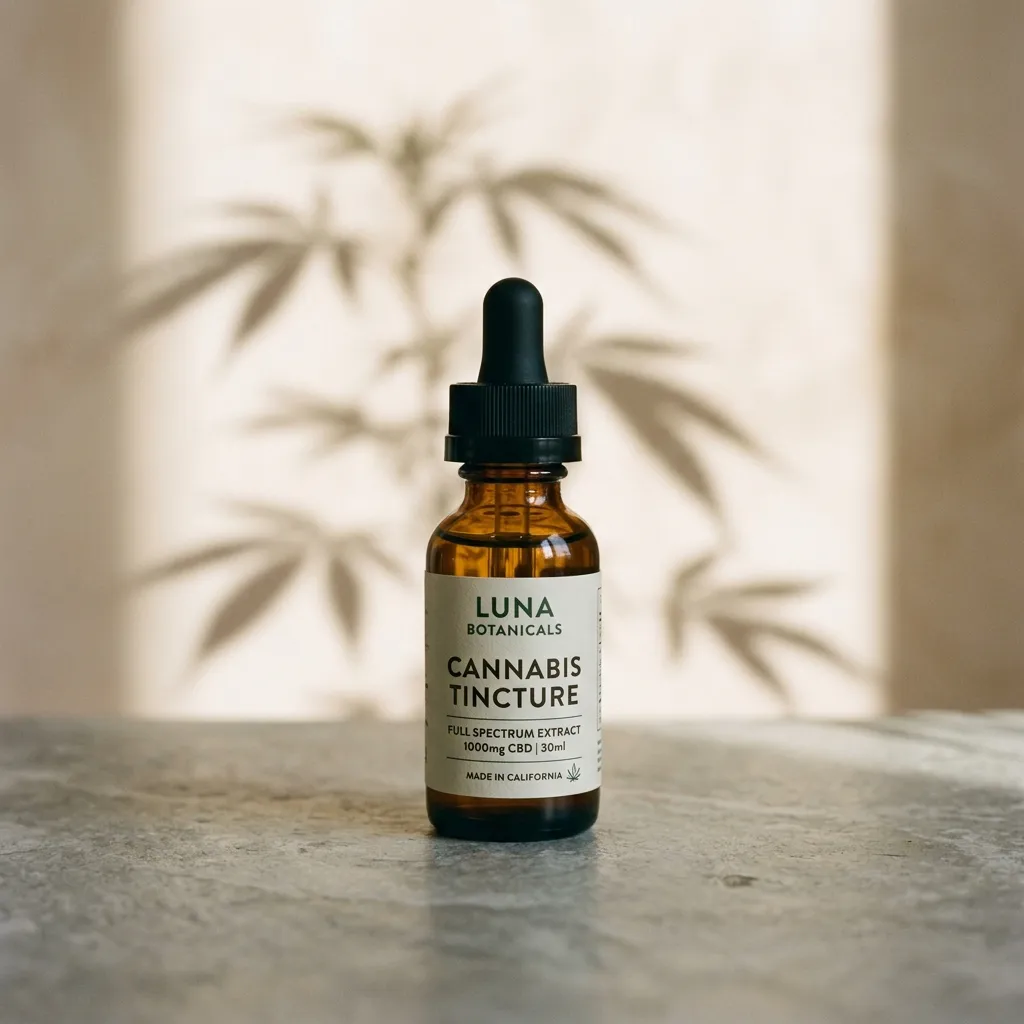
Tinctures & Oils Guide
Read this guide next →
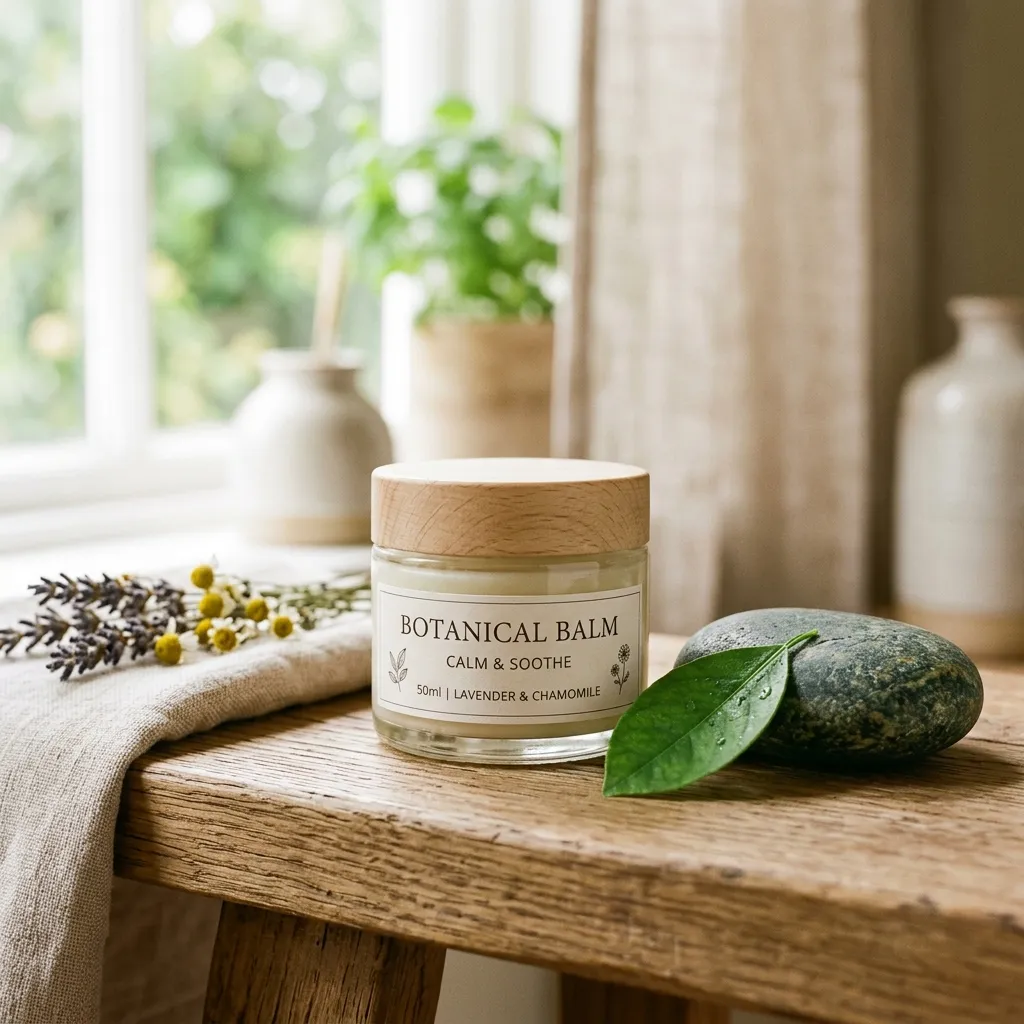
Cannabis Topicals Guide
Read this guide next →
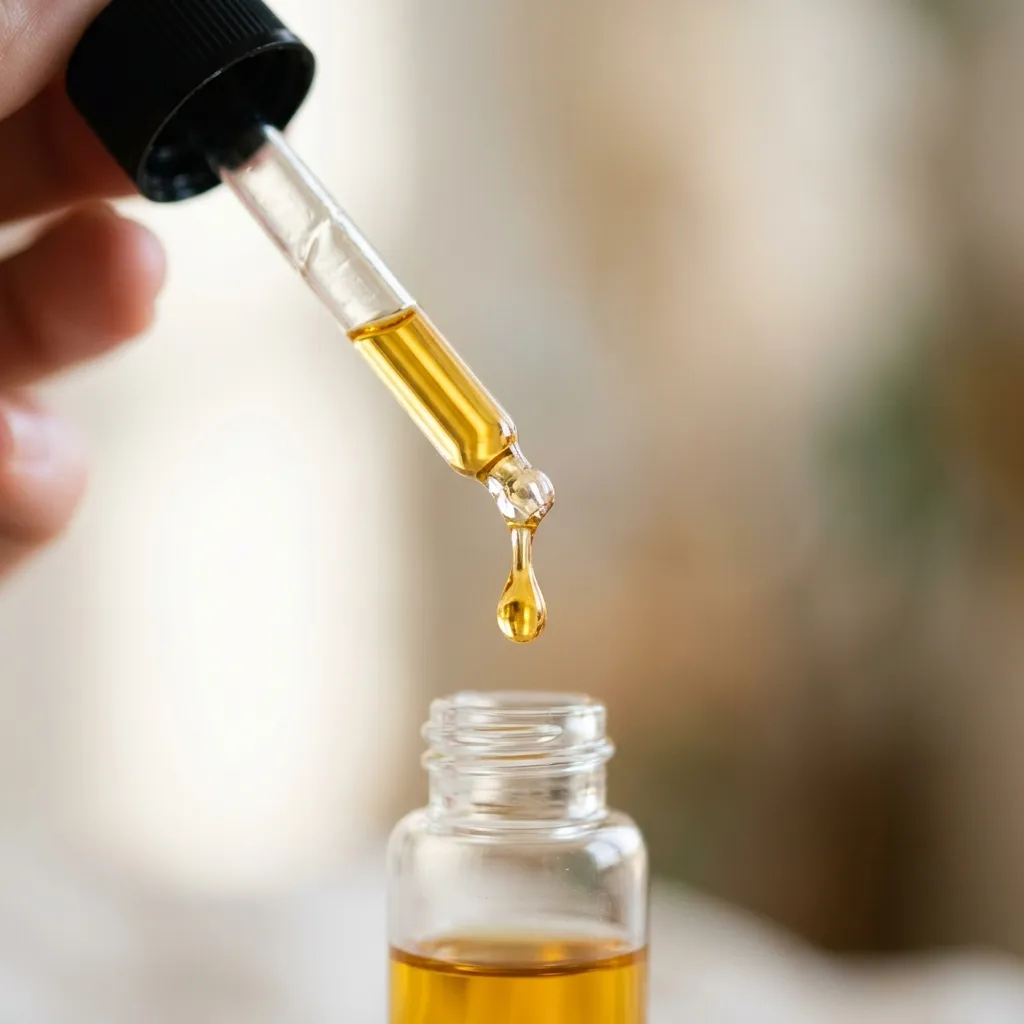
Understanding Dosage
Read this guide next →
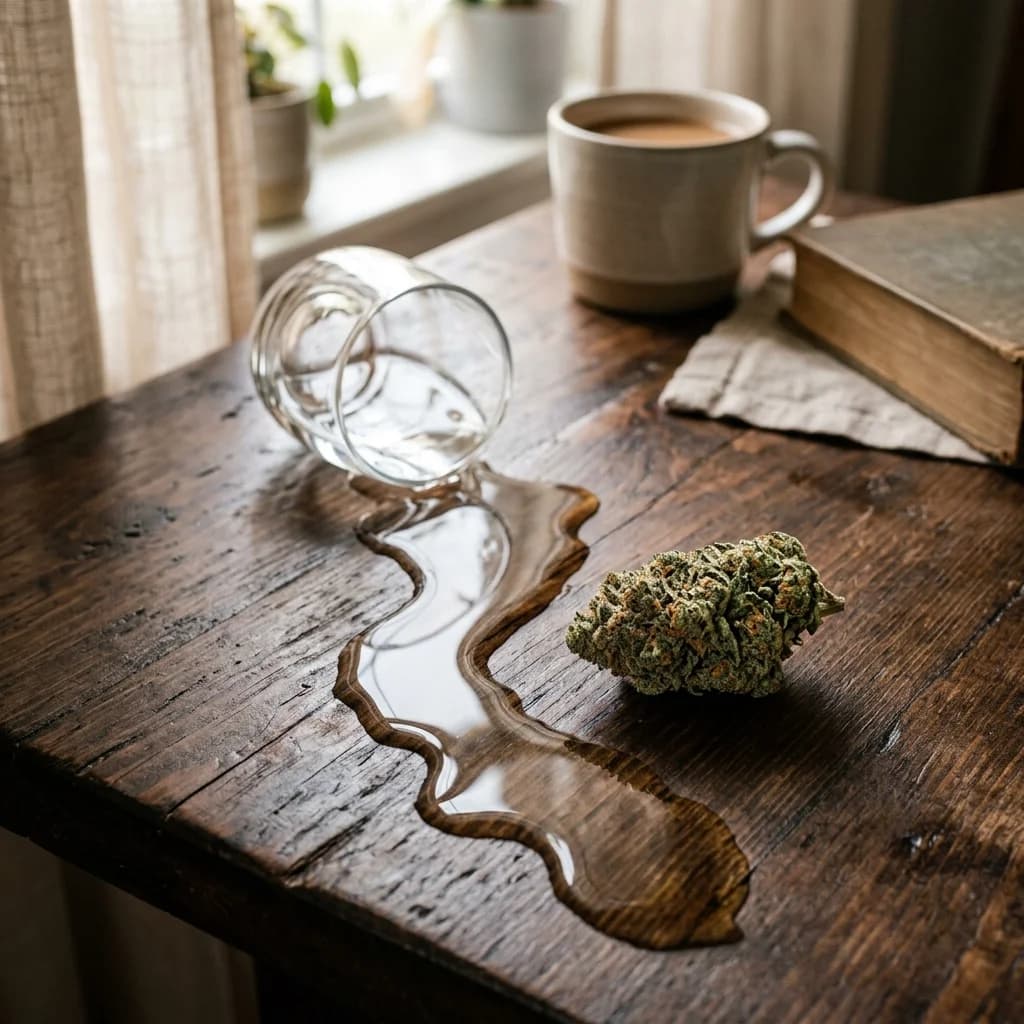
Can You Overdose on Cannabis?
Read this guide next →
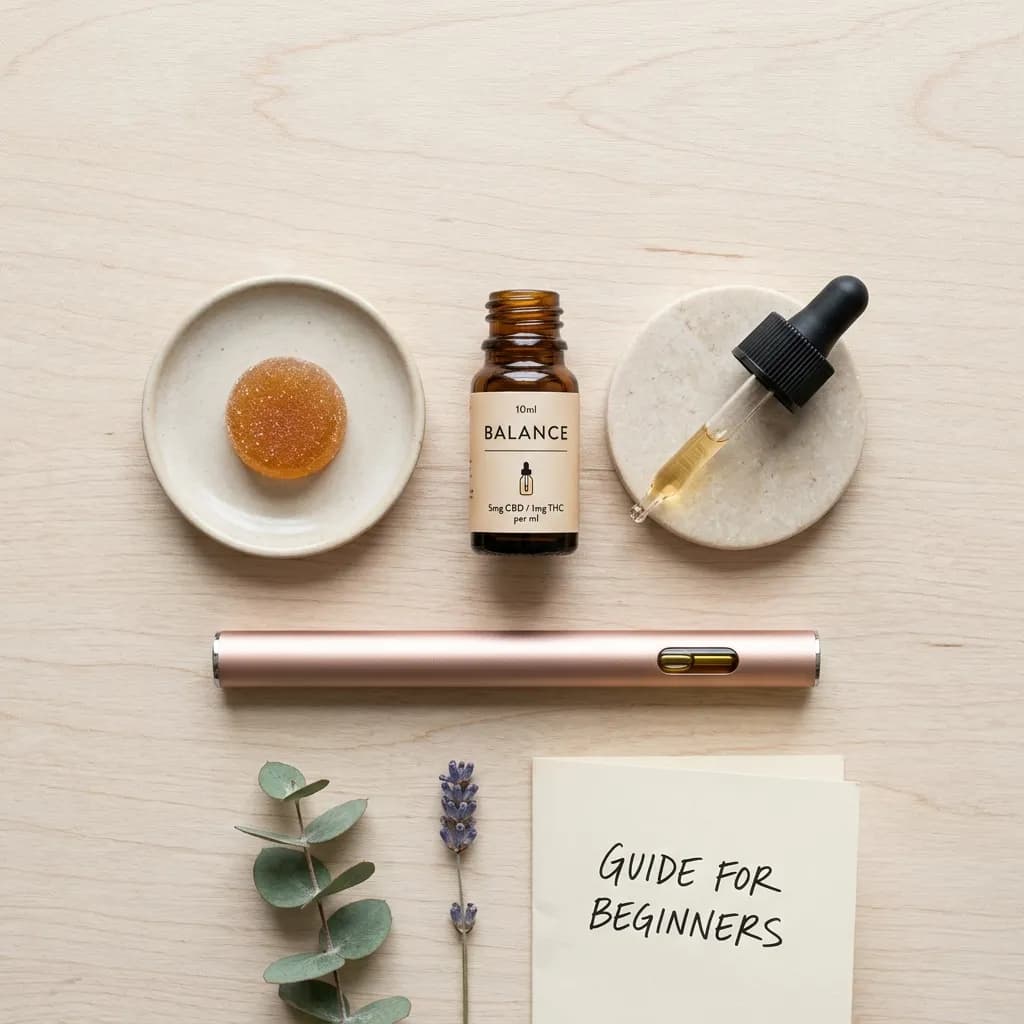
How to Choose Your First Product
Read this guide next →
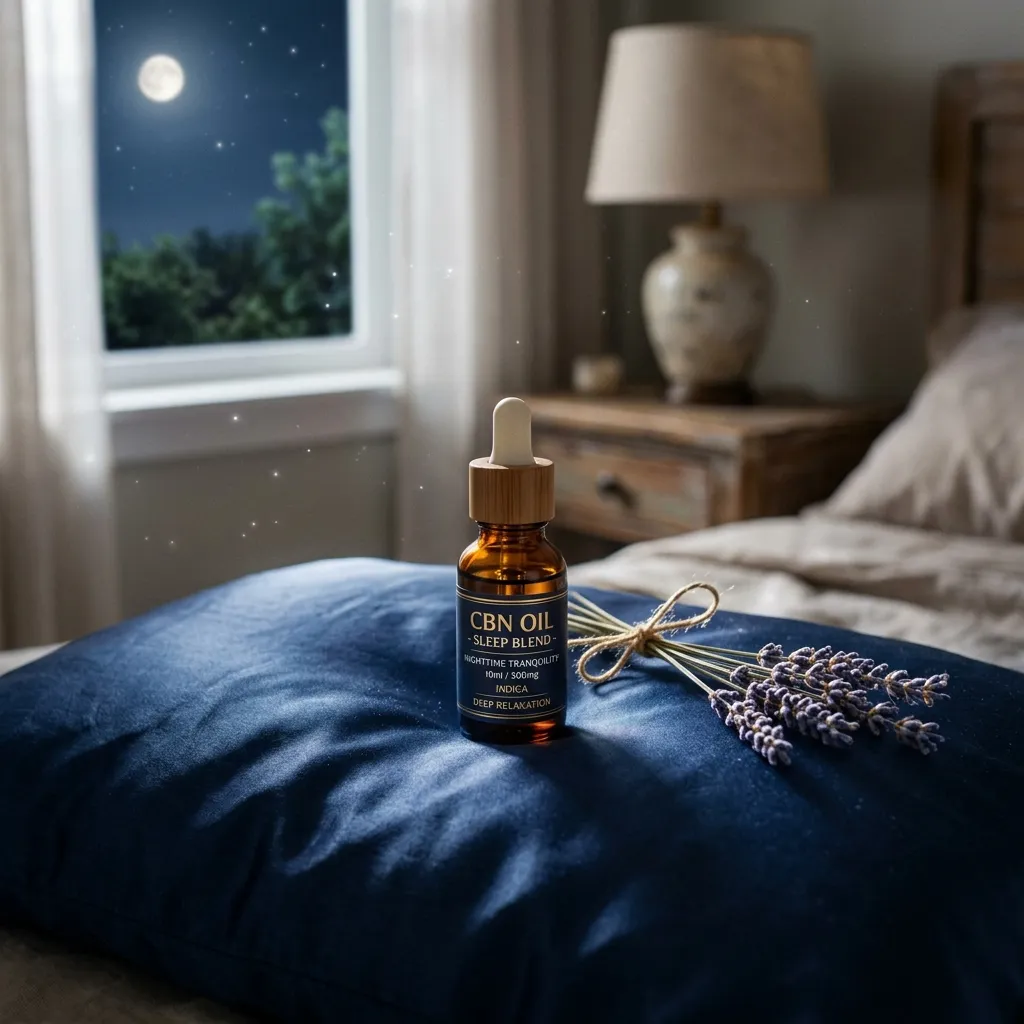
CBN for Sleep
Read this guide next →