What Is CBG? The Complete Guide to Cannabigerol

Learn about CBG, the 'mother cannabinoid'. Compare it to CBD, explore research on inflammation and neuroprotection, and check UK legal status.
This guide is for educational purposes only. Cannabis is illegal in the UK without a medical prescription. Always consult a healthcare professional before making decisions about cannabis use.
What Is CBG?
How CBG Works
Potential Benefits
Anti-Inflammatory
CBG has demonstrated potent anti-inflammatory effects across multiple studies. A 2024 animal model of inflammatory bowel disease found that CBG reduced colonic inflammation and improved disease activity scores more effectively than CBD at equivalent doses. The effect is mediated through CB2 receptor activation and inhibition of pro-inflammatory cytokines like TNF-alpha and IL-6.Neuroprotection
Preclinical research indicates CBG may have neuroprotective properties relevant to conditions like Huntington's disease and multiple sclerosis. A 2023 study in a mouse model of Huntington's found that CBG improved motor function and reduced oxidative stress in brain tissue. The compound appears to promote neurogenesis and protect neurons from glutamate-induced excitotoxicity.Appetite Stimulation
Unlike CBD (which is appetite-neutral), CBG appears to stimulate appetite in animal studies. A 2022 study found that CBG increased food intake and meal frequency in rats compared to controls, without the hyperphagia associated with THC. This has potential applications for cachexia, chemotherapy patients, and eating disorders, though human data is needed.Glaucoma and Intraocular Pressure
CBG is a potent vasodilator and has been shown to reduce intraocular pressure (IOP) in animal models — an effect relevant to glaucoma management. A 2023 rabbit model study found that topical CBG reduced IOP by 20-25% within two hours, comparable to THC but without psychoactive side effects. Human studies are in early stages.Antibacterial
CBG has demonstrated broad-spectrum antibacterial activity, including against MRSA (methicillin-resistant Staphylococcus aureus). A 2020 study found that CBG was effective against drug-resistant bacteria at concentrations comparable to established antibiotics, and that it worked synergistically with polymyxin B. This is particularly exciting given the global crisis of antibiotic resistance.Current Research: What We Know vs Don't Know
What We Know
We know CBG is safe and well-tolerated in humans. Phase I safety trials have established that single oral doses up to 200mg and repeated doses up to 100mg daily for 28 days produce no serious adverse effects. The most common side effects are mild — dry mouth, drowsiness, and slight dizziness — and comparable to those of CBD.What We Don't Know
Human efficacy data is still thin. Most claims around CBG's therapeutic benefits — neuroprotection, glaucoma, appetite stimulation — are based on animal studies that may not translate to humans. Only a handful of small human trials have been completed, and none have been large enough to draw definitive conclusions.How to Use CBG
Products Available
CBG oils and tinctures are the most common form, typically sold as broad-spectrum extracts containing CBG alongside CBD and trace amounts of other cannabinoids. Pure CBG isolate (99%+ CBG in crystalline powder form) is also available for those who want to avoid any THC or CBD. CBG capsules, gummies, and vape cartridges are less common but growing in availability. Flower and hash with elevated CBG content (5-15%) are available through medical cannabis channels and some CBD retailers.Dosing
CBG is more potent per milligram than CBD, so start lower. A typical starting dose is 10-20mg of CBG taken once or twice daily. Experienced users may go up to 50-100mg per day, but there is little evidence that doses above 100mg provide additional benefit. Because CBG is fat-soluble, take it with a meal containing healthy fats (avocado, olive oil, nuts) to improve absorption.Combining with CBD
Many users find CBG and CBD work better together than either alone — the 'entourage effect' in action. A common approach is a 1:1 ratio (e.g., 20mg CBG + 20mg CBD) or a 2:1 CBD:CBG ratio for daytime use. CBG is often described as more energising and focus-promoting than CBD, making it a better choice for morning and afternoon use, while CBD alone may be preferred for evening relaxation.Combining with THC
CBG appears to moderate some of THC's psychoactive effects. A 2025 survey study found that users who consumed CBG alongside THC reported less anxiety and paranoia than those taking THC alone. Some medical cannabis strains bred for elevated CBG (like 'White CBG' and 'Super Glue CBG') are marketed specifically for this balancing effect.Legality in the UK
Quick Questions
About the Author
Dave Mak
Dave founded The Budophile to create clear, honest cannabis education for UK beginners. With a background in health research and a network of specialist contributors, he ensures every guide is accurate, evidence-based, and practical. He also runs Baked & Rated for product reviews and The Green Prescription for medical cannabis access guidance.
Continue Learning

CBD Guide
Read this guide next →

THC vs CBD
Read this guide next →

The Endocannabinoid System Explained
Read this guide next →

CBN for Sleep
Read this guide next →
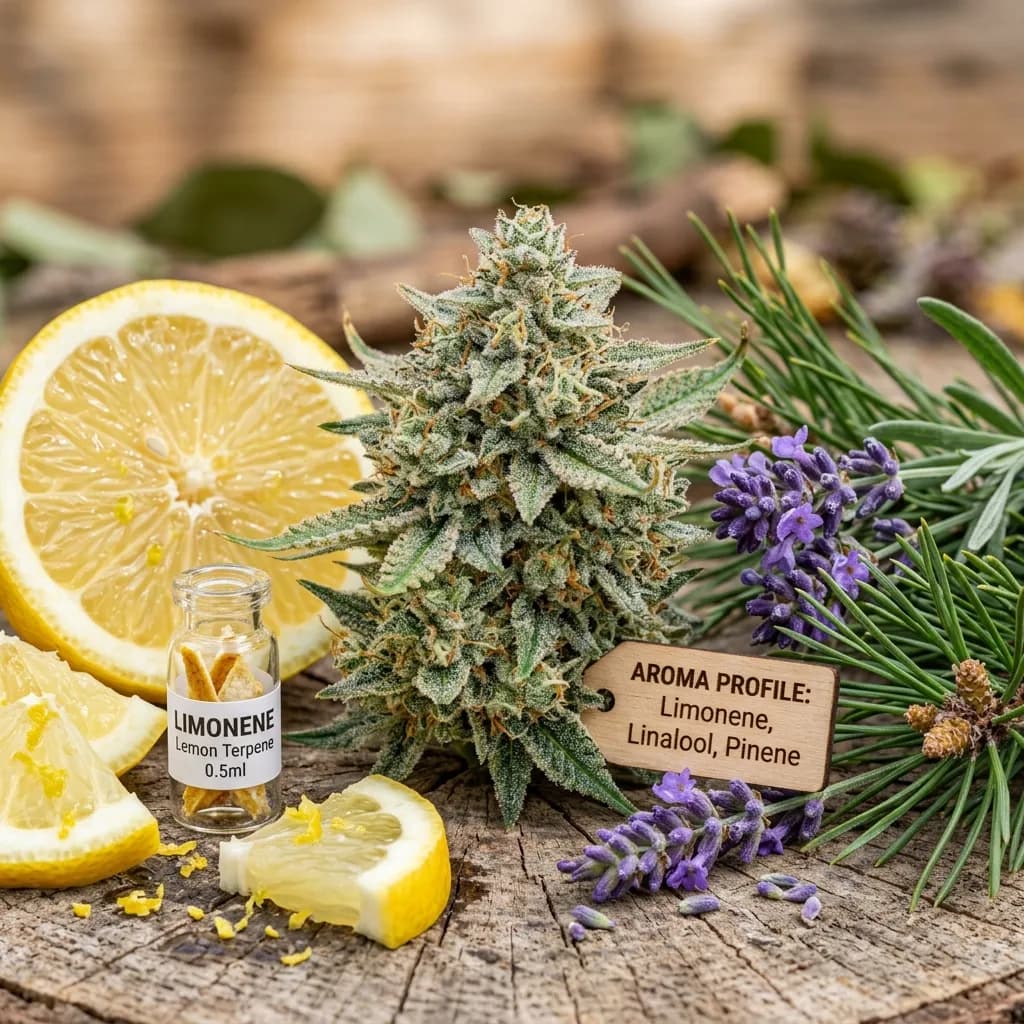
Terpenes Explained
Read this guide next →

Indica vs Sativa
Read this guide next →
Chronic Pain Guide
Read this guide next →

Medical Safety
Read this guide next →