The Budophile
HomeGuidesGlossaryFAQAbout
Search
HomeGuidesCBD: What You Need to Know
CBD: What You Need to Know

9 min readBeginner Level
ShareX
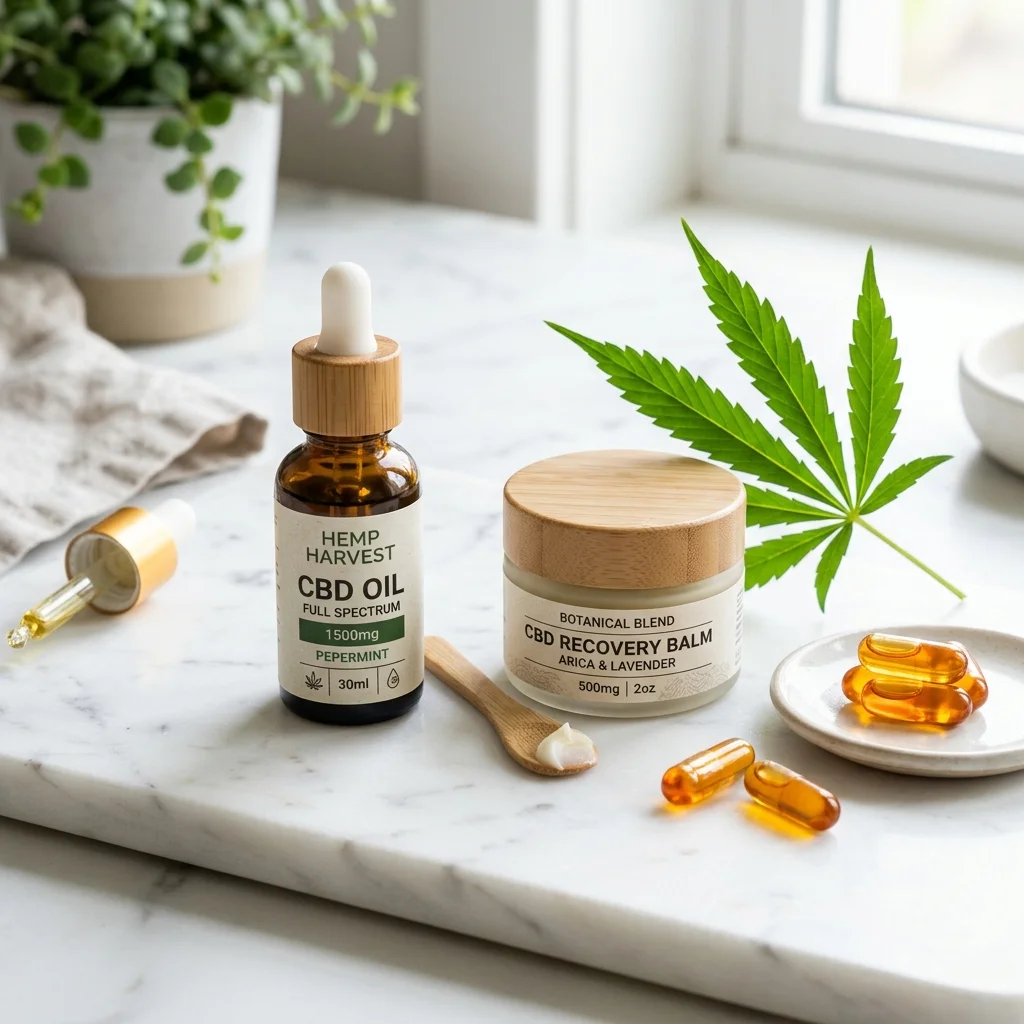
CBD oil and dropper

The complete guide to CBD in the UK — what it is, how it works, legality, how to choose quality products, dosing, and the difference between CBD and other cannabinoids.

This guide is for educational purposes only. Cannabis is illegal in the UK without a medical prescription. Always consult a healthcare professional before making decisions about cannabis use.

CBD (cannabidiol) is one of over 100 cannabinoids found in the cannabis plant. Unlike THC, CBD is non-psychoactive — it does not produce a 'high' or euphoria. This makes it the most accessible cannabinoid for people who want therapeutic benefits without intoxication.
CBD interacts with your body's endocannabinoid system, primarily influencing CB2 receptors found throughout the immune system and peripheral tissues. It also affects serotonin receptors (5-HT1A) which contributes to its anti-anxiety effects.
The World Health Organisation has stated that CBD is generally well-tolerated with a good safety profile. It is not associated with abuse potential or dependence in the same way as THC. Side effects are mild and rare at normal doses.
CBD was classified as a 'novel food' by the UK Food Standards Agency (FSA) in 2019. This means all CBD products sold as food supplements must have a validated novel food application approved by the FSA. The deadline for full compliance is November 2026.
Anxiety and stress: The most common reason people use CBD. Research suggests CBD can reduce anxiety in social anxiety disorder, generalised anxiety, and PTSD. Many users report feeling 'calmer' and 'more grounded' with regular use.
Pain and inflammation: CBD has demonstrated anti-inflammatory properties in multiple studies. It's used for chronic pain, arthritis, muscle soreness, and inflammatory conditions like IBD. Effects are generally milder than THC but without any psychoactivity.
Sleep: CBD is widely used for sleep issues, though the research is mixed. Some people find CBD helps them fall asleep faster, while others find it improves sleep quality indirectly by reducing anxiety or pain. Higher doses (50-100mg) are typically needed for sleep.
Skin conditions: Topical CBD is used for eczema, psoriasis, acne, and general skin health. The anti-inflammatory and antioxidant properties of CBD make it a popular ingredient in skincare products.
Neuroprotection: Preclinical research suggests CBD may have neuroprotective properties. It's been studied for conditions like epilepsy (leading to the licensed drug Epidyolex), Parkinson's disease, and multiple sclerosis. This is an active area of research.
Full-spectrum CBD: Contains all cannabinoids, terpenes, and flavonoids from the hemp plant, including trace amounts of THC (up to 0.2% in the UK). Believed to produce the 'entourage effect' where compounds work synergistically for enhanced benefits. Best for overall therapeutic effects.
Broad-spectrum CBD: Contains multiple cannabinoids and terpenes but NO THC. All the benefits of full-spectrum without any risk of THC exposure. Good for people who are drug tested or want to avoid THC entirely.
CBD isolate: Pure CBD in crystalline or powder form — 99%+ CBD with no other cannabinoids. The cheapest form of CBD but lacks the entourage effect. Good for people who want only CBD or need very high doses without consuming other compounds.
The choice between these types depends on your goals. Full-spectrum is generally considered the most effective for anxiety, pain, and inflammation. Broad-spectrum is the best compromise if you want to avoid THC. Isolate is suitable for high-dose regimens or if you're sensitive to other cannabinoids.
CBD dosing is highly individual. Factors affecting your ideal dose include body weight, metabolism, the condition being treated, and the potency of the product. The general principle is: start low (10-25mg per day), increase slowly by 5-10mg every few days until you find relief.
Standard doses by condition: General wellness and stress: 10-25mg daily. Mild anxiety: 25-50mg daily. Moderate anxiety or pain: 50-100mg daily. Sleep issues: 50-100mg taken 1 hour before bed. Severe chronic pain: 100-200mg daily (split into two doses).
A 10ml bottle of 500mg CBD oil contains 50mg per ml (5% strength). A standard dropper is 0.5ml = 25mg CBD. A 30ml bottle of 1500mg CBD oil contains 50mg per ml — same concentration, larger bottle. Always check the mg/ml concentration, not just the total CBD in the bottle.
CBD has a bell-shaped dose-response curve. This means taking more does not always produce stronger effects. For some people, 25mg works better than 100mg. If you don't feel results at 50-75mg, try a lower dose or a different type (switching from isolate to full-spectrum, for example).
The UK CBD market is largely self-regulated. Quality varies enormously. A 2023 investigation by the Centre for Medicinal Cannabis found that 64% of CBD products tested contained less CBD than advertised, with some containing as little as 10% of the labelled amount.
Always buy from brands that provide third-party Certificates of Analysis (COAs). These lab reports confirm the cannabinoid content and check for contaminants like pesticides, heavy metals, and solvents. The COA should match the batch number on your product.
Look for UK-grown or EU-grown hemp. Hemp is a bioaccumulator — it pulls toxins from the soil. Hemp grown in pristine conditions produces cleaner CBD. Chinese-grown hemp, which is common in budget products, has higher contamination risks.
Check the extraction method. CO2 extraction is the gold standard — it produces clean, solvent-free CBD oil. Ethanol extraction is also acceptable. Avoid products made with butane or propane extraction unless you're confident in the brand's quality control.
For a deeper dive into how different cannabinoids compare and which products might suit you, read our THC vs CBD guide or explore the strain comparisons on DAM Live's strain index.
CBD is legal in the UK provided it meets three conditions: it contains less than 0.2% THC (or 1mg per container), it's not marketed as a medicine without a licence, and it complies with novel food regulations.
The FSA has set a deadline of November 2026 for all CBD products to have a validated novel food application. After this date, products without authorisation may be removed from shelves. This is a significant regulatory change that will reshape the UK CBD market.
CBD products that make medicinal claims (“treats anxiety”, “cures pain”) without a medicine licence from the MHRA are breaking the law. Reputable brands use compliant claims like “supports relaxation” or “helps maintain calm.”
It is legal to buy, possess, and use CBD products in the UK. You can buy them from health shops, pharmacies, vape stores, supermarkets, and online. There is no legal limit on how much CBD you can possess or use.
For more on how UK cannabis law works, read our Complete UK Legal Guide.

Quick Questions

Full-spectrum CBD (containing trace THC) can potentially trigger a positive result on sensitive drug tests. Broad-spectrum and isolate CBD products are much less likely to, but no product can be guaranteed THC-free to the standards of all testing equipment.
CBD can interact with medications metabolised by the CYP450 enzyme system — including blood thinners, antidepressants, and some anti-seizure medications. Always consult your doctor before combining CBD with prescription drugs.
Some people feel effects immediately (especially with vaping or sublingual oils). For others, it takes 1-4 weeks of daily use to notice significant changes. Consistency matters — CBD accumulates in your system over time.
CBD is well-tolerated even at very high doses (up to 1500mg/day in clinical studies). Side effects at very high doses include fatigue, diarrhoea, and appetite changes. There is no known fatal overdose from CBD.

About the Author

DM

Dave Mak

Dave founded The Budophile to create clear, honest cannabis education for UK beginners. With a background in health research and a network of specialist contributors, he ensures every guide is accurate, evidence-based, and practical. He also runs Baked & Rated for product reviews and The Green Prescription for medical cannabis access guidance.

Continue Learning
THC vs CBD Explained

Read this guide next →

Is Cannabis Legal in the UK?

Read this guide next →
How to Choose Your First Product

Read this guide next →
CBD vs THC for Anxiety

Read this guide next →

The Endocannabinoid System Explained

Read this guide next →
CBD for Pets: UK Guide

Read this guide next →

CBN for Sleep

Read this guide next →

Is Medical Cannabis Safe?

Read this guide next →

The Budophile

Cannabis education for beginners. Clear, honest, UK-legal information to help you make informed choices.

New Guides

Learn

  • Guides
  • Glossary
  • FAQ

Info

  • About
  • Contact
  • Privacy
  • RSS Feed

Our Network

  • DAM Live — Amsterdam Guide
  • The Green Prescription — UK Medical Cannabis
  • Baked & Rated — Hardware Reviews
  • Strain Genetics Archive

© 2026 The Budophile. For educational purposes only.