The Budophile
HomeGuidesGlossaryFAQAbout
Search
HomeGuidesCBD for Pets: UK Guide for Dogs, Cats & Other Animals
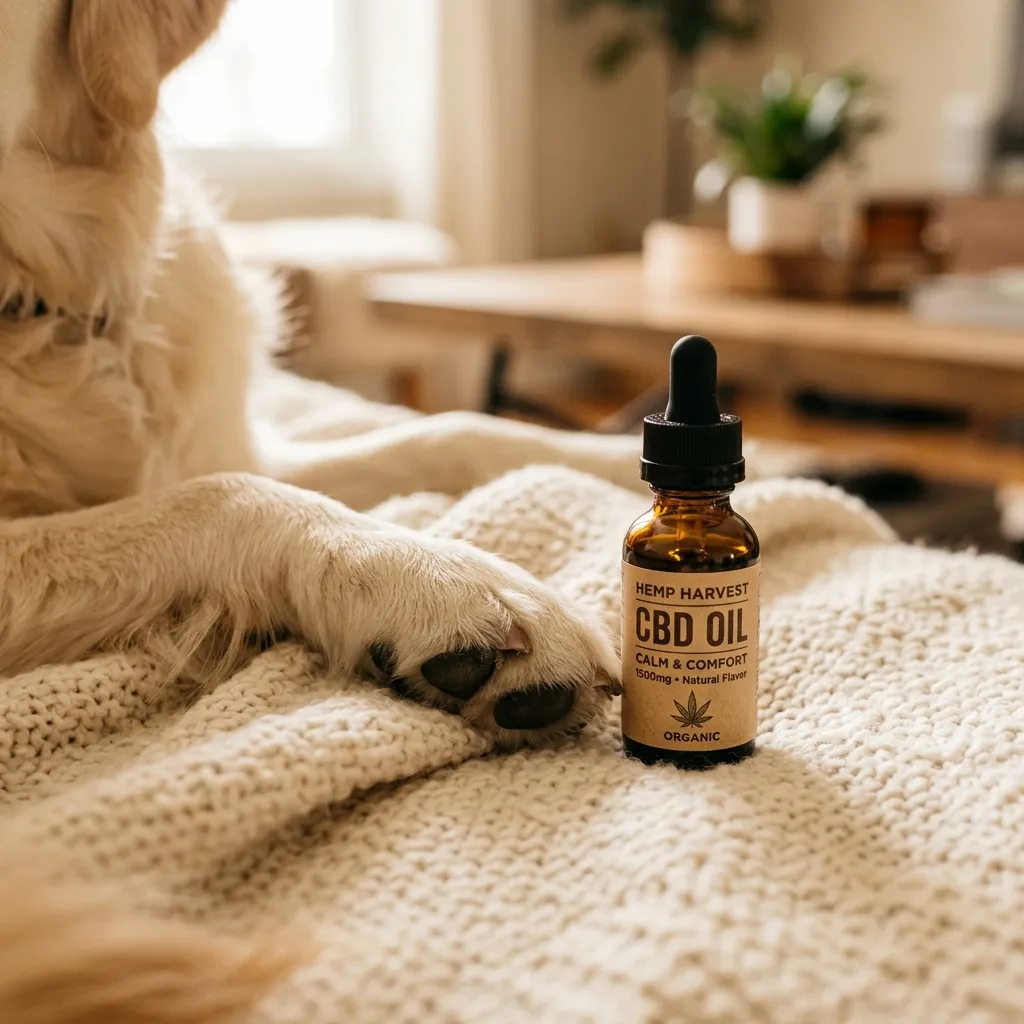
CBD for Pets: UK Guide for Dogs, Cats & Other Animals

10 min readBeginner Level
ShareX
CBD for pets and dogs UK

Everything UK pet owners need to know about CBD for pets — safety, benefits for dogs and cats, dosing guidelines, UK legality, how to choose quality products, and what the evidence really says.

This guide is for educational purposes only. Cannabis is illegal in the UK without a medical prescription. Always consult a healthcare professional before making decisions about cannabis use.

Yes, many UK pet owners give their dogs and cats CBD products, and the practice is growing rapidly. The UK CBD pet product market is projected to grow at over 20% annually, driven by pet owners seeking natural alternatives for anxiety, pain, and age-related conditions in their animals.
CBD (cannabidiol) is the same compound used in human CBD products — a non-psychoactive cannabinoid derived from hemp. It interacts with the endocannabinoid system, which all mammals have, including dogs, cats, horses, and even smaller pets like rabbits and ferrets.
The growing interest is supported by research. A 2018 study from Colorado State University found that CBD helped dogs with epilepsy, reducing seizure frequency. Other studies have suggested benefits for anxiety, joint pain, and inflammation in animals. However, the evidence base is still early compared to human research.
It's important to understand that the UK Veterinary Medicines Directorate (VMD) has not formally approved any CBD products for animals. This means CBD for pets exists in a grey area — it's not illegal to give your pet CBD, but it's not officially endorsed by veterinary regulators either. Always discuss with your vet before starting.
Pet owners report using CBD for a wide range of conditions, with the most common being anxiety and stress. Fireworks, thunderstorms, separation anxiety, and vet visits are frequent triggers where CBD may help calm a nervous pet without sedation.
Joint pain and arthritis are the second most common reason. Older dogs especially can benefit from CBD's anti-inflammatory properties. Many owners report that their senior dogs move more freely and seem more comfortable after starting CBD, though more clinical research is needed to confirm these effects.
CBD is also used for: epilepsy and seizure disorders (the strongest research evidence is for this use), skin conditions and allergies (topical CBD may help with inflammation and itching), digestive issues and nausea (particularly for dogs undergoing cancer treatment), and general wellness and immune support in older animals.
The endocannabinoid system in pets works similarly to humans. CB1 and CB2 receptors are present throughout a dog or cat's body, regulating pain perception, inflammation, mood, appetite, and immune response. This is why the same compound that helps humans can also benefit animals.
The legal situation for CBD pet products in the UK is nuanced. CBD itself is legal when derived from industrial hemp containing less than 0.2% THC. This applies equally whether the CBD is intended for humans or animals.
However, the Veterinary Medicines Directorate (VMD) has stated that any product intended for animals that contains CBD is classified as a veterinary medicine — and no CBD products have been licensed as veterinary medicines in the UK. This means technically, products sold as 'CBD for pets' occupy an unregulated space.
In practice, this means: you can legally buy CBD oil and give it to your pet, you do not need a prescription for CBD pet products, reputable UK brands sell products specifically formulated for pets (often with pet-friendly flavours like salmon or chicken), and enforcement action against pet owners is essentially nonexistent — the regulatory ambiguity is directed at manufacturers, not consumers.
The situation may change. The Food Standards Agency (FSA) is developing a regulatory framework for CBD as a novel food, and similar regulation for pet products may follow. For now, buying from reputable UK brands that provide third-party lab testing is the best way to ensure product quality and safety.
The UK market for CBD pet products is largely unregulated, which means quality varies enormously. Choosing a reputable product is the most important step you can take to ensure your pet's safety.
Look for products that provide third-party lab reports (Certificates of Analysis) from UKAS-accredited laboratories. These should confirm the CBD content, THC level (must be below 0.2% for UK legality), and screen for contaminants like pesticides, heavy metals, and solvents. Any reputable brand will make these reports easily accessible on their website.
Choose products specifically formulated for pets rather than using human CBD products. Pet formulations typically use pet-safe carrier oils (like salmon oil or MCT oil), have appropriate concentrations for animal dosing, and avoid ingredients that may be harmful to animals such as xylitol (common in human gummies and toxic to dogs).
Full-spectrum CBD oils (containing trace cannabinoids and terpenes) are generally preferred for pets because the entourage effect may enhance therapeutic benefits. However, if your pet is extremely sensitive or you're concerned about the trace THC, broad-spectrum or isolate products are also available. CBD oils are the most popular and easiest to dose form for pets, followed by treats and topicals.
CBD dosing for pets follows the same principle as human dosing: start low, go slow, and observe. There is no official UK dosing guideline for pets, but veterinary experts generally recommend the following approach based on weight.

Dogs

Small dogs (under 10kg): 5-10mg CBD per day. Medium dogs (10-25kg): 10-20mg CBD per day. Large dogs (over 25kg): 20-40mg CBD per day. Start at the low end of the range and increase gradually over 1-2 weeks based on your dog's response. For acute issues like fireworks anxiety, give a dose 30-60 minutes before the trigger event.

Cats

Cats are more sensitive to CBD than dogs. Start with 2-5mg CBD per day for an average-sized cat (4-5kg). Cats are also notoriously difficult to medicate — mixing CBD oil into wet food or a treat is usually the easiest approach. Observe your cat carefully for the first few doses, as some cats may become drowsy at higher doses.

General Guidelines

CBD oil is best given with food for optimal absorption. Effects typically appear within 30-60 minutes and last 4-8 hours. For chronic conditions, twice-daily dosing (morning and evening) provides more consistent relief than a single daily dose. Keep a simple log of doses and your pet's behaviour to track what works.
CBD has a good safety profile in pets, with side effects being generally mild and uncommon. The most commonly reported side effects are drowsiness or sedation (usually at higher doses), mild digestive upset (loose stools or reduced appetite, typically temporary), and dry mouth (which may cause increased thirst).
THC is toxic to dogs and cats. THC toxicity in pets can cause disorientation, vomiting, loss of coordination, and in severe cases, seizures or coma. This is why it's essential to use CBD-only products for pets and keep any THC-containing cannabis products securely out of your pet's reach. Never give your pet THC.
Always consult your vet before starting CBD, especially if your pet is on other medications. CBD can interact with certain drugs by affecting the same liver enzymes (CYP450) that metabolise many common pet medications. This is particularly important for pets on anti-epileptic drugs, NSAIDs, or corticosteroids.
Monitor your pet after starting CBD. Look for improvement in their condition, any side effects, and changes in behaviour or appetite. If you notice any concerning symptoms, stop giving the CBD and consult your vet. As with humans, buying from reputable brands with third-party testing is your best protection against contaminants or mislabelled products.

Quick Questions

Yes. CBD has a good safety profile in dogs when given at appropriate doses. Side effects are mild and uncommon — typically drowsiness or mild digestive upset. However, THC is toxic to dogs, so only use CBD-only products. Always consult your vet before starting.
No. CBD is non-psychoactive and does not produce a 'high'. Unlike THC, it does not bind strongly to CB1 receptors in the brain. A quality CBD product for pets should contain less than 0.2% THC — not enough to cause any intoxicating effects.
A common starting dose is 1-2mg of CBD per 5kg of body weight, given twice daily. For a 10kg dog, that's 2-4mg per dose. Start low, observe for 3-5 days, and increase gradually if needed. Most dogs respond well within the 5-20mg total daily range.
Yes, but cats are more sensitive than dogs. Start with a lower dose (2-5mg for an average cat) and observe carefully. Use products specifically formulated for pets — avoid human CBD products that may contain ingredients harmful to cats, such as certain essential oils.
While not legally required, discussing CBD with your vet is strongly recommended, especially if your pet has an existing medical condition or is on other medications. Your vet can help you determine appropriate dosing and monitor for potential interactions.
Pet products typically use pet-safe carrier oils (like salmon oil), have appropriate concentrations for animal dosing, and avoid ingredients toxic to pets (like xylitol). They also often have pet-friendly flavours. Using human CBD products for pets is possible but requires careful dose adjustment.

About the Author

DM

Dave Mak

Dave founded The Budophile to create clear, honest cannabis education for UK beginners. With a background in health research and a network of specialist contributors, he ensures every guide is accurate, evidence-based, and practical. He also runs Baked & Rated for product reviews and The Green Prescription for medical cannabis access guidance.

Continue Learning

CBD: What You Need to Know

Read this guide next →

The Endocannabinoid System

Read this guide next →

Cannabis for Seniors

Read this guide next →

Cannabis Topicals Guide

Read this guide next →

What Is Cannabis?

Read this guide next →

How to Store Cannabis Properly

Read this guide next →

CBN for Sleep

Read this guide next →

Cannabis & Medication Interactions

Read this guide next →

The Budophile

Cannabis education for beginners. Clear, honest, UK-legal information to help you make informed choices.

New Guides

Learn

  • Guides
  • Glossary
  • FAQ

Info

  • About
  • Contact
  • Privacy
  • RSS Feed

Our Network

  • DAM Live — Amsterdam Guide
  • The Green Prescription — UK Medical Cannabis
  • Baked & Rated — Hardware Reviews
  • Strain Genetics Archive

© 2026 The Budophile. For educational purposes only.