Cannabis for Seniors: Health, Safety & UK Access Guide
Evidence-based guide to cannabis for seniors. Learn about managing pain, sleep, anxiety, medication interactions, safe dosing, and UK medical access.
This guide is for educational purposes only. Cannabis is illegal in the UK without a medical prescription. Always consult a healthcare professional before making decisions about cannabis use.
The Silver Cannabis Wave
Conditions That Affect Seniors
Chronic Pain and Arthritis
Arthritis affects over 10 million people in the UK, with prevalence rising steeply after 50. Osteoarthritis, rheumatoid arthritis, and gout all involve inflammation and pain that can be difficult to manage. Conventional treatments include NSAIDs (ibuprofen, naproxen) which carry stomach, kidney, and cardiovascular risks for older adults. Cannabis — particularly CBD and balanced THC:CBD products — offers anti-inflammatory and analgesic effects with a different safety profile. For a full breakdown of the evidence, see our Cannabis for Chronic Pain guide.Sleep Difficulties
Insomnia affects approximately 40% of adults over 60. Age-related changes in sleep architecture — lighter sleep, more frequent waking, less deep sleep — are compounded by pain, medication side effects, and anxiety. Sleeping pills (Z-drugs, benzodiazepines) carry significant risks for seniors: falls, cognitive impairment, and dependence. Cannabis offers an alternative. Low-dose THC (2.5-5mg) can help with sleep onset; CBD addresses the underlying anxiety or pain. For detailed protocols, see our Cannabis for Sleep guide.Anxiety and Low Mood
Later life brings unique challenges: bereavement, loneliness, health anxiety, and adjustment to retirement or reduced independence. While not all low mood is clinical depression, many seniors struggle with persistent worry and sadness. CBD is the safest cannabinoid option here — it reduces anxiety without psychoactive effects, drug interactions, or fall risk. Balanced 1:1 THC:CBD products can help some seniors but require careful dosing supervision.Loss of Appetite and Weight Loss
Unintentional weight loss is common in older adults and associated with poorer health outcomes. THC is a well-known appetite stimulant — the 'munchies' effect is real and can be therapeutically useful. Low-dose THC before meals may help seniors who struggle with poor appetite, whether due to medication, illness, or age-related changes.Safety: The Most Important Section
Increased Sensitivity to THC
Aging slows metabolism and reduces the volume of distribution for fat-soluble compounds like THC. This means the same dose that produces a mild effect in a 30-year-old can produce a strong, potentially overwhelming effect in a 70-year-old. The mantra for seniors is: start lower, go slower. A microdose of 1-2.5mg THC is the appropriate starting point, not the 5-10mg that might suit a younger beginner.Fall Risk
THC can impair balance, coordination, and reaction time — all of which are already diminished in many older adults. A fall that causes a hip fracture can be life-changing for a senior. If you use THC-containing products: take them at a time when you don't need to move around, ensure your home is free of tripping hazards, avoid stairs after dosing, and never drive. CBD does not impair balance and is the safer option for seniors concerned about fall risk.Cognitive Effects
THC temporarily impairs short-term memory and attention. For seniors already experiencing age-related cognitive changes or mild cognitive impairment, this can be distressing. CBD has no significant cognitive effects and may actually have neuroprotective properties. If you're concerned about memory, start with CBD and only consider adding THC under medical supervision.Heart Health
THC causes a temporary increase in heart rate (tachycardia) and can affect blood pressure. For seniors with existing heart conditions, this warrants caution. A 2025 review found that cannabis use in older adults was associated with a small increased risk of cardiovascular events, particularly in the first hour after use. The risk is greatest with high-THC products and with smoking (which introduces additional cardiovascular stressors from combustion byproducts). CBD does not appear to carry the same cardiovascular risks.Medication Interactions
This is the most critical safety concern. Seniors are more likely to be taking multiple medications — blood thinners, blood pressure medications, antidepressants, anticonvulsants, and diabetes medications — all of which can interact with cannabinoids. If you're over 65 and considering cannabis, you must discuss it with your doctor or pharmacist before starting. Our Cannabis & Medication Interactions guide covers the specific interactions in detail, including information relevant to common geriatric prescriptions.Best Products for Seniors
Best: CBD Oil (Sublingual)
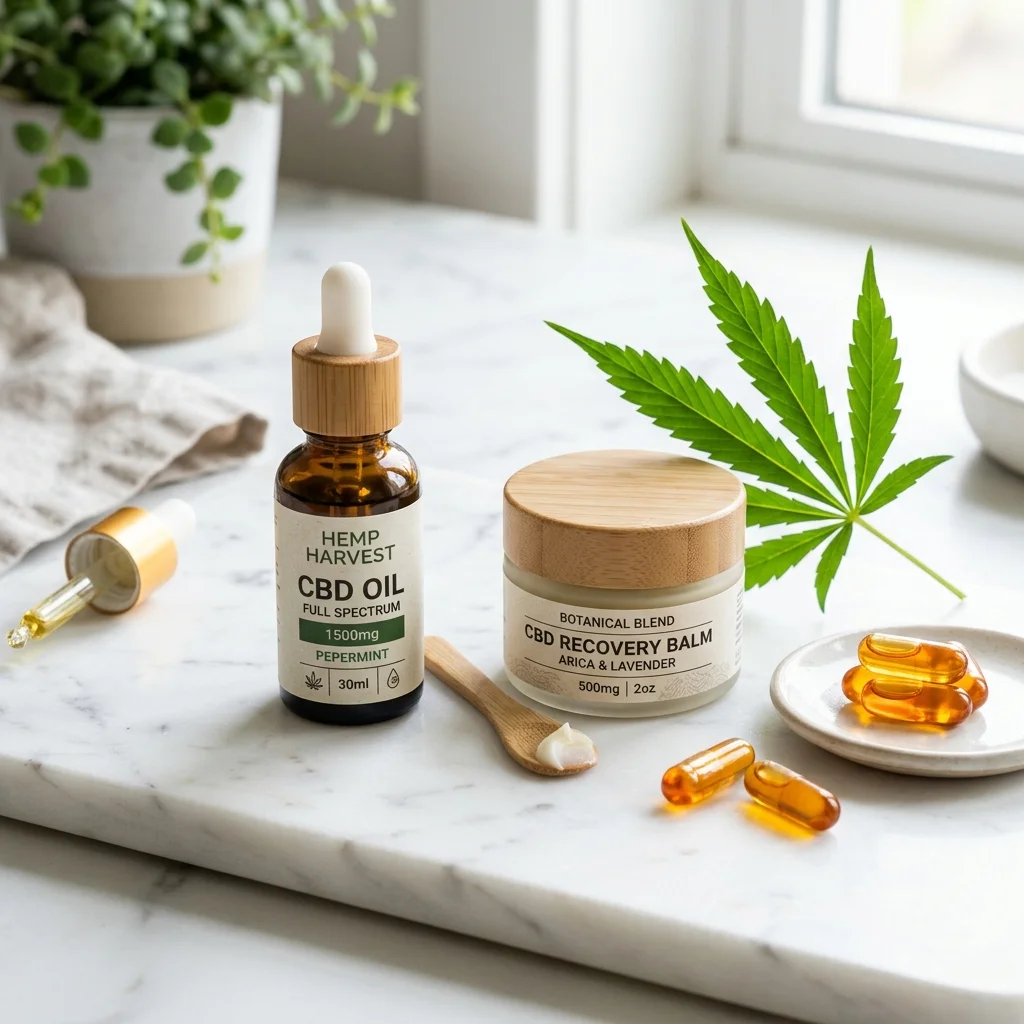
CBD oil taken under the tongue is the safest starting point. It provides therapeutic benefits (pain relief, anxiety reduction, improved sleep) without psychoactive effects, impairment, or significant drug interactions. Start with 10-25mg CBD once or twice daily. Sublingual oils from reputable UK brands provide consistent, measurable dosing. CBD is legal without a prescription and widely available.Good: Balanced THC:CBD Oil (Medical Prescription)
If CBD alone isn't enough, a balanced 1:1 THC:CBD oil offers the best next step. The CBD tempers the psychoactive effects of THC, making the experience smoother and more manageable. These are only available through private medical clinics. Dosing must be supervised by a specialist. Start at 1-2.5mg THC combined with equal CBD, taken in the evening.Useful: CBD Topicals
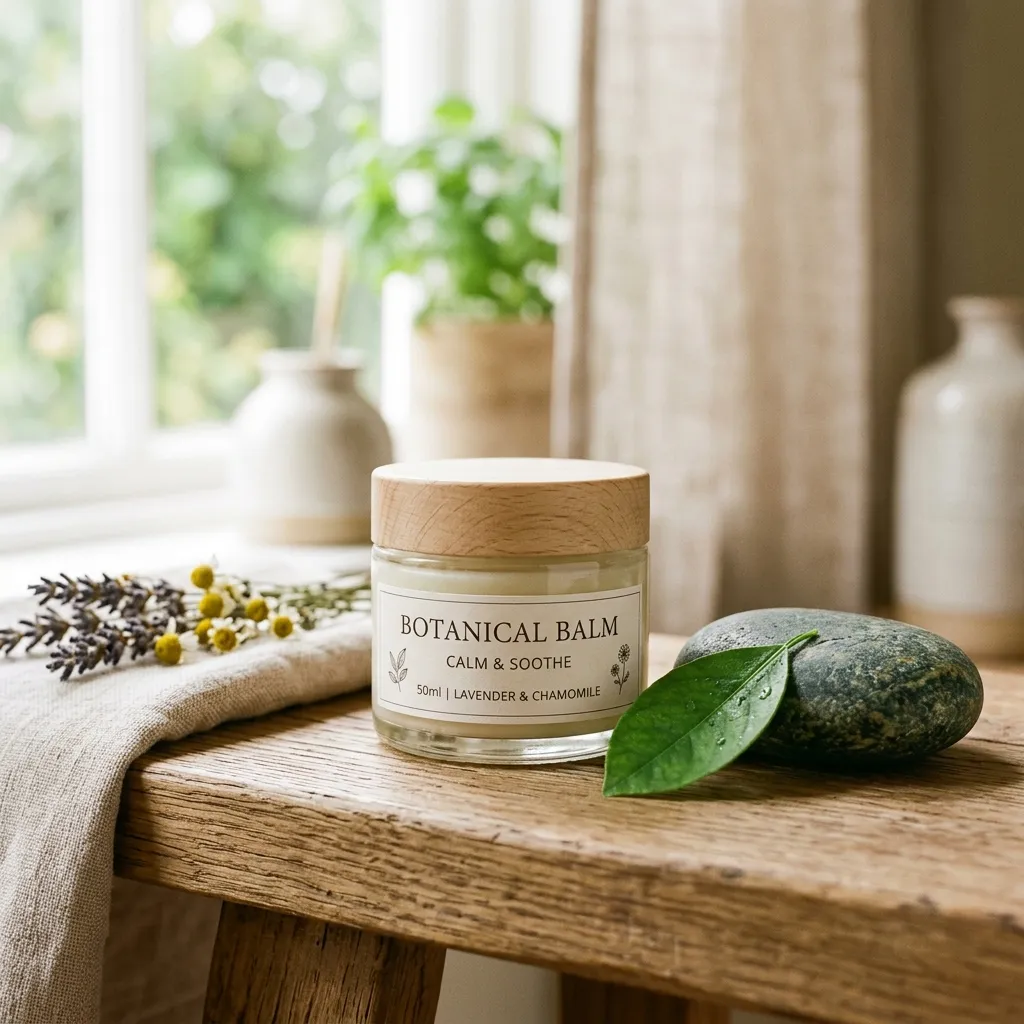
For localised arthritis pain in hands, knees, or back, CBD balms and creams provide targeted relief with zero systemic effects. They're safe to use alongside any other medication, have no psychoactive effects, and can be applied as needed throughout the day. Look for products with at least 250-500mg CBD per container for noticeable pain relief. See our Topicals Guide for what to look for.Use With Caution: THC-Dominant Products
High-THC flower or oils (10%+ THC or 10mg+ per dose) are generally not suitable for cannabis-naive seniors. If prescribed by a clinic, they require very careful dose titration starting at 1-2.5mg THC, preferably in a balanced formulation with CBD. If you use dry herb vaping, keep temperatures low (170-180°C) and take only one small puff at a time. Our Vaping Guide has a detailed temperature chart.Avoid: Smoking and High-Dose Edibles
Smoking any substance is harmful for aging lungs and cardiovascular system. High-dose edibles (10mg+ THC) are particularly dangerous for seniors because of the delayed onset — it's easy to take too much while waiting for effects. The 2-hour onset delay can lead to overconsumption, resulting in hours of intense anxiety, confusion, and immobility. Never take a second dose of an edible before waiting at least 3 hours.UK Access for Seniors
Over-the-Counter CBD
CBD oils, topicals, gummies, and capsules are legal and widely available from health shops, pharmacies, and online. Quality varies enormously. Always buy from brands that publish third-party Certificates of Analysis (COA). Look for UK-grown or EU-grown hemp and CO2 extraction methods. Our CBD Guide explains what to look for and how to avoid low-quality products.Medical Cannabis Through Private Clinics
If you need THC-containing products for conditions like chronic pain, arthritis, or sleep disruption, a private clinic is your route. The process involves: an initial consultation (£150-£400), followed by prescribed oils and/or flower at £100-£400 per month. Some clinics offer concessionary pricing for pensioners or low-income patients. For a side-by-side comparison of every UK clinic — including those with senior-friendly pricing and access schemes — visit The Green Prescription.Can You Get It on the NHS?
In practice, almost never. The NHS only prescribes three licensed cannabis-based products (Sativex, Epidyolex, Nabilone) in very specific circumstances. Seniors with chronic pain — the most common reason older adults seek medical cannabis — are not eligible for NHS prescribing of unlicensed cannabis products. Nearly all medical cannabis prescriptions in the UK go through private clinics. Our NHS Cannabis Guide explains the details.Talking to Your GP
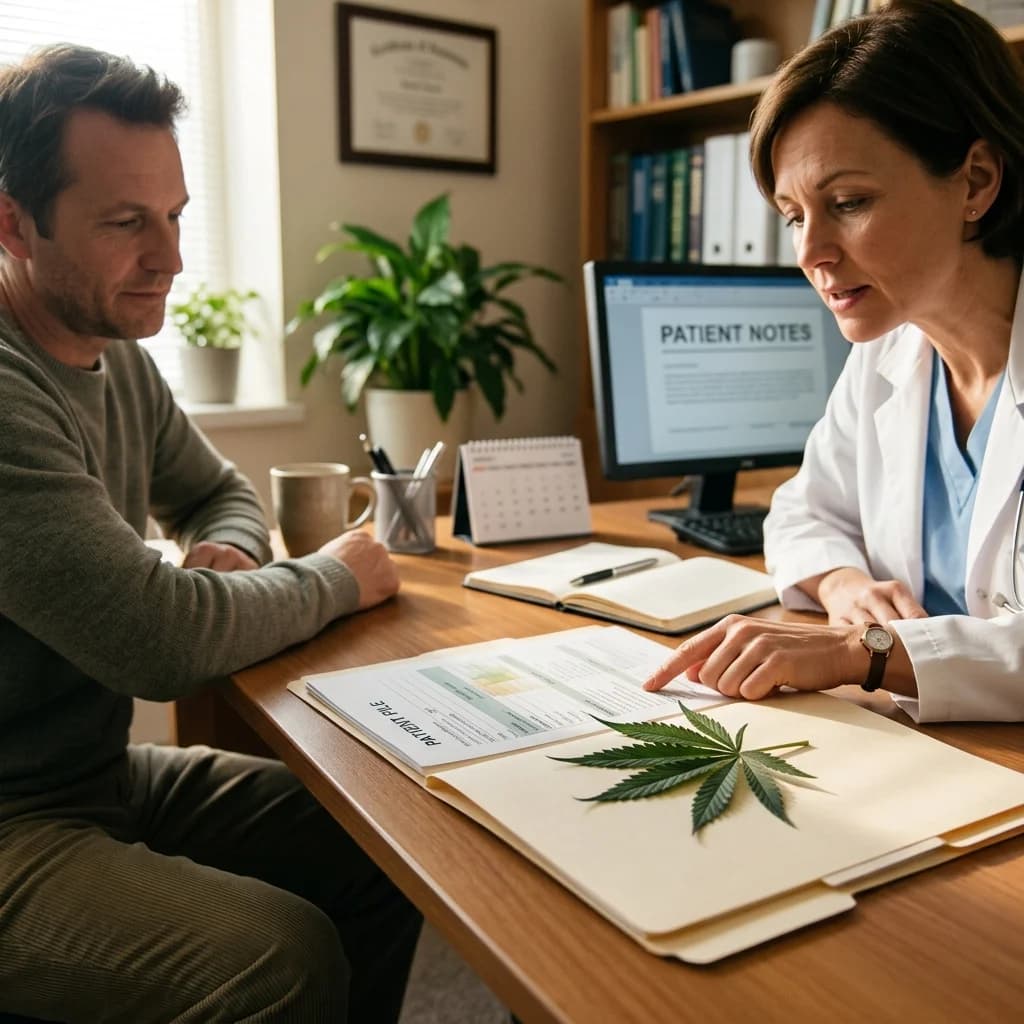
If you're a senior considering medical cannabis, speaking to your GP is a crucial first step — not because you need their permission, but because you need to discuss medication interactions. Our How to Talk to Your GP guide covers exactly how to prepare for that conversation.Dosing: The Senior Protocol
CBD Protocol
Start with 10mg CBD twice daily (morning and evening) for one week. If well tolerated but with minimal benefit, increase to 25mg twice daily for another week. The maximum effective dose for most seniors is 50-100mg CBD per day, split into two doses. Higher doses increase the risk of fatigue and diarrhoea without proportional benefits.THC Protocol (Under Medical Supervision Only)
Starting dose: 1-2.5mg THC, ideally in a balanced 1:1 formulation with equal CBD. Take in the evening when you're home for the night and don't need to drive or operate anything. Hold this dose for at least 5-7 days before considering an increase. If well tolerated but insufficient, increase by 1mg THC every 5-7 days. Maximum recommended dose: 10mg THC per session for most seniors, and many will find their ideal dose at 2.5-5mg.Combination Protocol
Many seniors find the best results with a split approach: CBD oil (25-50mg) in the morning for daytime pain and anxiety without impairment, and a low-dose THC:CBD oil (2.5-5mg of each) in the evening for sleep and overnight pain relief. This provides round-the-clock coverage while keeping daytime impairment to a minimum.Warning Signs to Watch For
If you experience: confusion or disorientation, racing heart, severe dizziness, loss of balance, or extreme anxiety — stop use and consult your doctor. These symptoms may indicate the dose is too high, the THC:CBD ratio is wrong, or cannabis is not suitable for you. Don't push through adverse effects — there are many other treatment options available.A Note for Families and Carers
Quick Questions
About the Author
Dave Mak
Dave founded The Budophile to create clear, honest cannabis education for UK beginners. With a background in health research and a network of specialist contributors, he ensures every guide is accurate, evidence-based, and practical. He also runs Baked & Rated for product reviews and The Green Prescription for medical cannabis access guidance.
Continue Learning
Cannabis for Chronic Pain
Read this guide next →
Cannabis & Medication Interactions
Read this guide next →
How to Get a Medical Cannabis Prescription
Read this guide next →

Cannabis for Sleep & Insomnia
Read this guide next →
How to Talk to Your GP About Medical Cannabis
Read this guide next →
Can I Get Medical Cannabis on the NHS?
Read this guide next →
Cannabis Topicals Guide
Read this guide next →
CBD: What You Need to Know
Read this guide next →