CBD Oil Dosage Guide: How Much CBD Should You Take?
5 min readBeginner Level

Complete guide to CBD oil dosing. Find your ideal dose based on body weight and condition, learn absorption factors, and read product labels.
This guide is for educational purposes only. Cannabis is illegal in the UK without a medical prescription. Always consult a healthcare professional before making decisions about cannabis use.
Start Low, Go Slow
The golden rule of CBD dosing is 'start low, go slow.' Everyone's endocannabinoid system responds differently to CBD — your ideal dose depends on body weight, metabolism, the condition you're treating, and even what you've eaten that day.
Begin with 10-20mg of CBD per day for the first week. Take it at the same time each day, preferably sublingually (under the tongue) for consistent absorption. Keep a simple journal: dose, time, and how you feel 1-2 hours after taking it.
After one week, assess your results. If you feel no change, increase by 5-10mg per day and hold for another week. Continue this pattern until you find relief. Most people land between 25-75mg per day. If you reach 100mg with no effect, try switching from isolate to broad-spectrum or full-spectrum before increasing further.
CBD has a bell-shaped dose-response curve. This means more isn't always better. Some people find 25mg works better than 100mg. If higher doses make you feel drowsy or spacey, drop back down. Your sweet spot is the lowest dose that gives you the result you want.
Factors That Affect Your Dose
Body weight: As a rough guide, heavier individuals typically need higher doses. A common formula is 1-6mg of CBD per 10kg of body weight. A 70kg person might start at 15-25mg, while a 100kg person might start at 25-35mg.
Metabolism: If you have a fast metabolism, CBD may pass through your system more quickly, requiring higher or more frequent doses. If you take other medications that affect liver enzymes (particularly the CYP450 system), this can also alter how your body processes CBD.
Food intake: Taking CBD with food — especially fatty foods — significantly increases absorption. A study found that taking CBD with a high-fat meal increased absorption by up to 4x compared to taking it on an empty stomach. For consistent dosing, take CBD the same way each time (either always with food or always without).
Extract type: Full-spectrum CBD oil typically works at lower doses than broad-spectrum or isolate because of the entourage effect. If you're using an isolate, expect to need 20-50% more CBD for the same effect. This often makes full-spectrum better value despite the higher price per mg.
Consistency: CBD accumulates in your system over time. Daily use for 1-4 weeks builds up a baseline level that makes each dose more effective. If you only take CBD occasionally, you'll need higher individual doses. If you take it daily, you may find you can reduce your dose over time.
Dosage by Condition
These are general guidelines based on clinical studies and user reports. Always start at the lower end and increase gradually.
General wellness and stress: 10-25mg daily. Many people find a single dose in the morning works well for maintaining calm throughout the day.
Mild anxiety: 25-50mg daily. Split into two doses (morning and afternoon) for more consistent coverage. Some people prefer a single larger dose before a known anxiety trigger.
Moderate anxiety or pain: 50-100mg daily. Split into morning and evening doses. Full-spectrum oil is strongly recommended for these conditions due to the entourage effect.
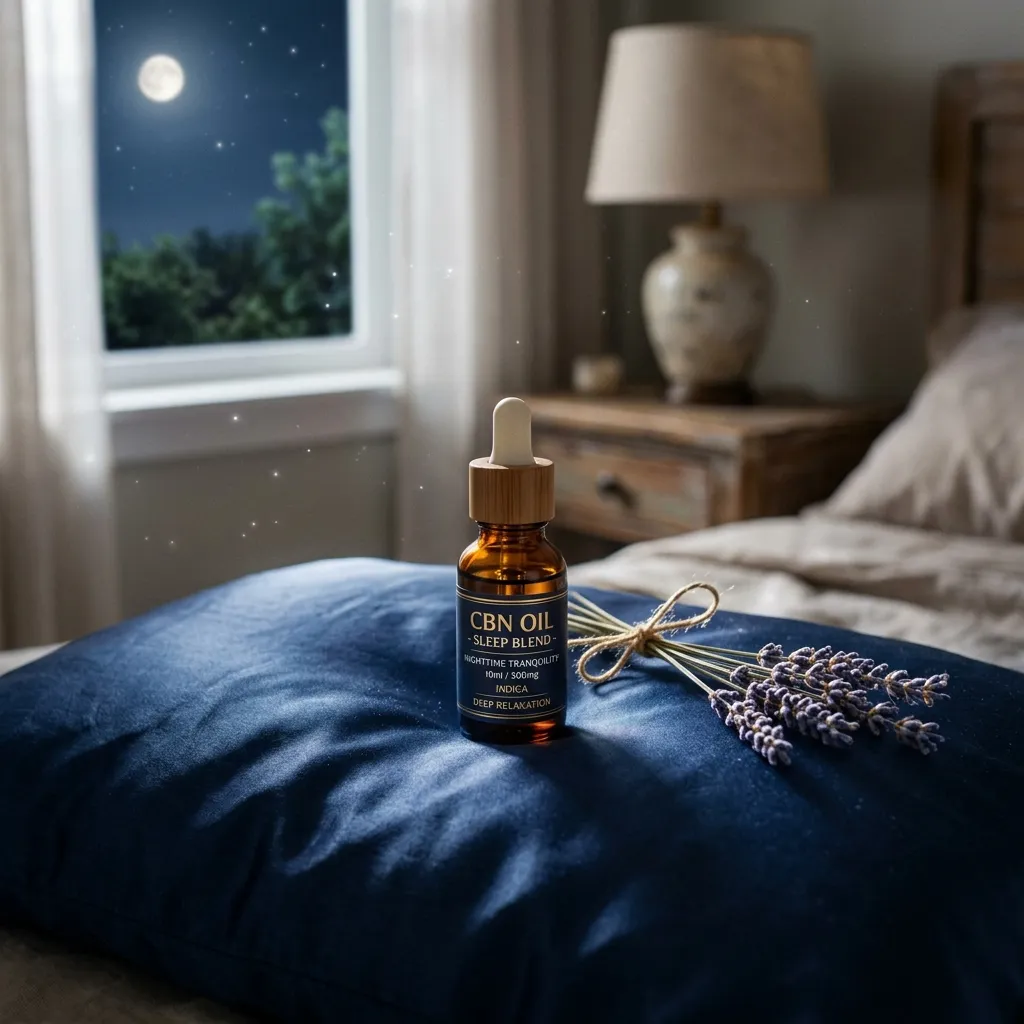
Sleep issues: 50-100mg taken 60-90 minutes before bed. Higher doses of CBD tend to be more sedating. Consider combining with CBN (cannabinol) for stronger sleep support — see our CBN for Sleep guide.
Severe chronic pain: 100-200mg daily, split into two or three doses. Some chronic pain patients on high-dose CBD regimens prefer isolate or broad-spectrum to avoid any THC-related side effects at high volumes.
How to Read CBD Oil Labels
CBD product labels can be confusing. Here's how to decode exactly how much CBD you're getting per dose.
Step 1: Find the total CBD content (e.g. 1000mg on a 10ml bottle).
Step 2: Divide by the bottle size in ml: 1000mg ÷ 10ml = 100mg per ml. This is your concentration.
Step 3: A standard dropper holds 1ml. A half dropper is 0.5ml. If the bottle has a graduated dropper, the markings tell you exactly how much you're drawing.
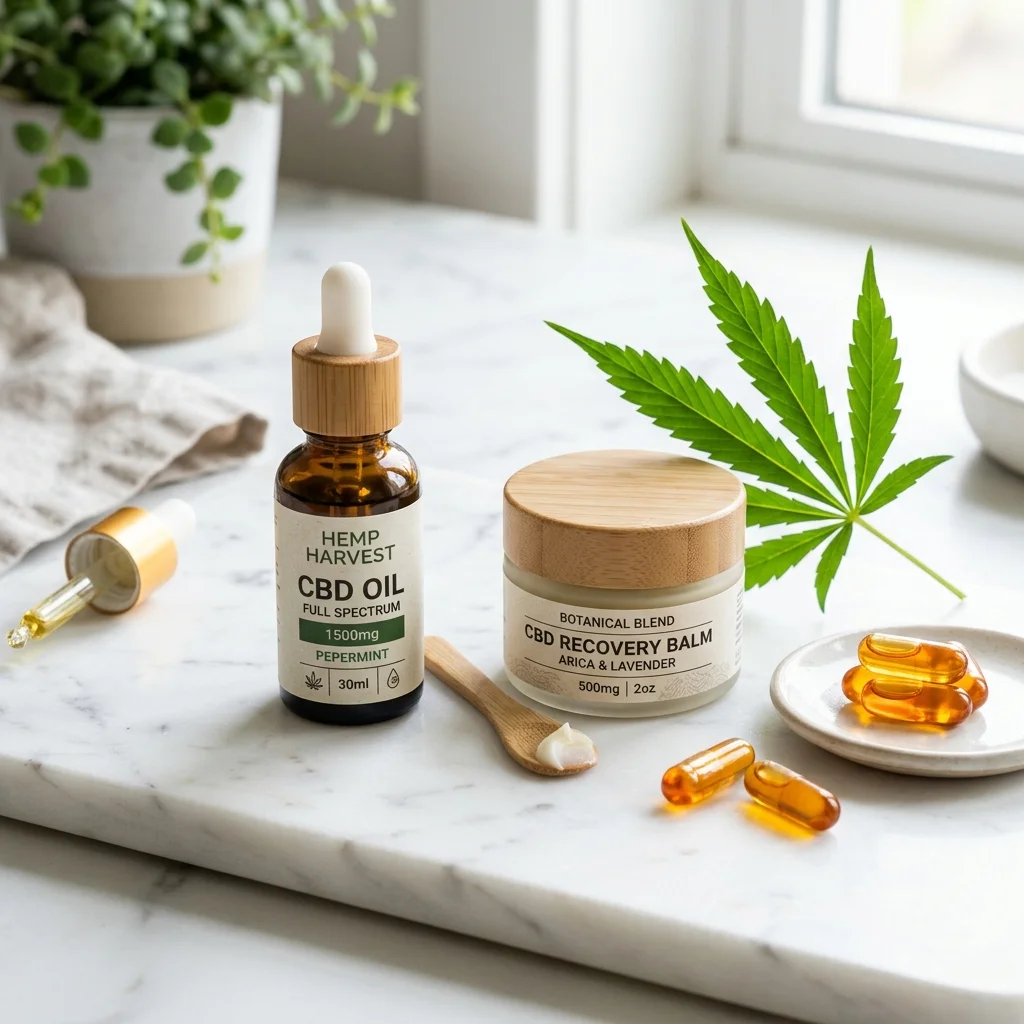
Example: A 30ml bottle of 1500mg CBD = 50mg per ml. A half dropper (0.5ml) = 25mg CBD. A full dropper (1ml) = 50mg CBD. Most people's sweet spot of 50mg is exactly one full dropper from this bottle.
Beware of 'active ingredient' claims that don't match the total CBD. If a bottle says '1000mg CBD' but the recommended serving says 'contains 10mg CBD,' check the serving size. Some brands use tiny serving sizes to make the bottle appear stronger value.
Oils vs Other CBD Formats
CBD oil taken sublingually offers a middle ground between the speed of vaping and the convenience of gummies. Understanding the differences helps you choose the right format for each situation.
CBD oil (sublingual): Onset 15-45 minutes, duration 4-6 hours, bioavailability 10-20%. Best for daily wellness, anxiety, and pain management. Most flexible dosing — you can take any amount by adjusting the dropper.
CBD vape: Onset 2-5 minutes, duration 1-3 hours, bioavailability 40-60%. Best for acute anxiety, panic attacks, or breakthrough pain where speed matters most. Higher bioavailability means less product needed. See the best CBD vapes UK for tested devices and strengths.
CBD gummies: Onset 45-90 minutes, duration 6-8 hours, bioavailability 5-10%. Best for convenience, precise pre-measured doses, and people who dislike the taste of oil. Longest-lasting effects but slowest onset. Compare flavours and value in the best CBD gummies in the UK.
CBD topicals: Onset 15-45 minutes (localised), duration 4-6 hours. Best for targeted muscle and joint pain. The CBD doesn't enter your bloodstream significantly, so it's ideal for localised relief without systemic effects.
Quick Questions
About the Author
DM
Dave Mak
Dave founded The Budophile to create clear, honest cannabis education for UK beginners. With a background in health research and a network of specialist contributors, he ensures every guide is accurate, evidence-based, and practical. He also runs Baked & Rated for product reviews and The Green Prescription for medical cannabis access guidance.